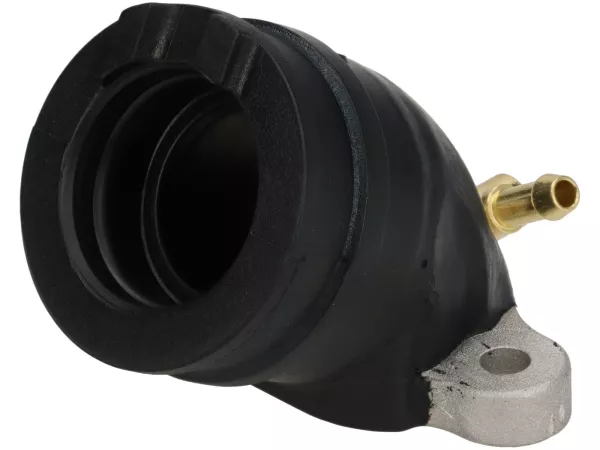
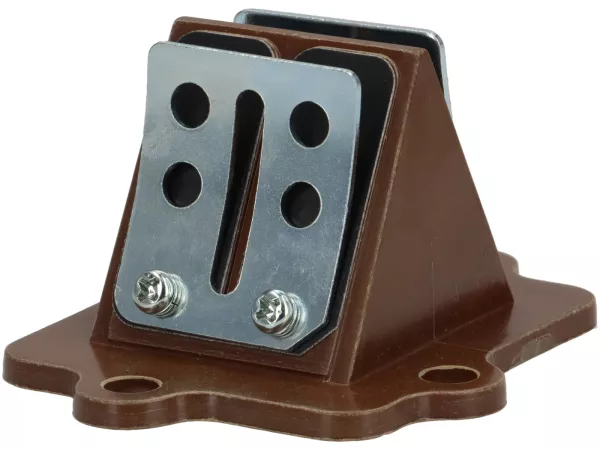
Membrane box -CNC- for carburetor sump - Vespa Largeframe from approx. 1962
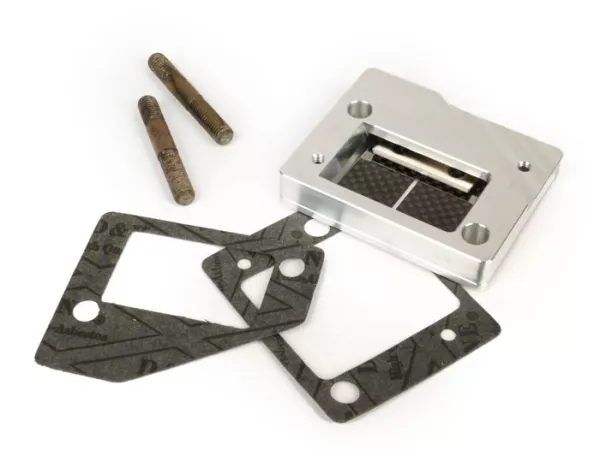
This CNC-milled diaphragm box is mounted directly under the carburetor sump and replaces the original crankshaft-controlled rotary slide intake. It is designed for all Vespa Largeframe engines with Dell'orto SI carburetor and long sealing surface from around 1962 and also makes engine housings with a damaged rotary slide valve sealing surface usable again.
Diaphragm inlet under the carburetor sump
For largeframe rotary valve engines
CNC milled design
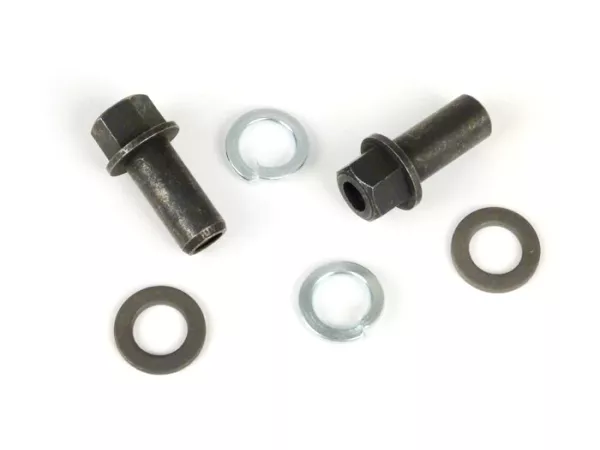
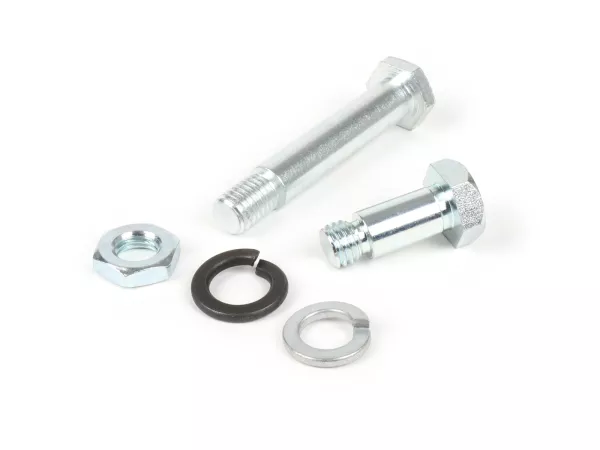
Incl. seals and stud bolts
Function and area of application
The diaphragm box replaces the standard rotary valve intake on the crankcase and relocates the mixture control to the carburetor sump. The crankshaft no longer has to seal the inlet, and leaking or worn rotary slide surfaces on the engine housing no longer have any influence on the carburetor tuning.
Mounting position directly under the carburetor sump, use of the existing SI carburetor.
Crankshaft control of the intake is not required, the rotary slide may be damaged or reworked.
Particularly interesting for engines with a worn intake surface or for setups with an enlarged intake cross-section.
Installation and adaptation
The reed valve box is fitted in place of the original carburettor bowl or bolted underneath it. Depending on the desired power level, it is advisable to adapt the engine housing in the intake area in order to match the cross-section to the reed valve channel and improve the gas flow.
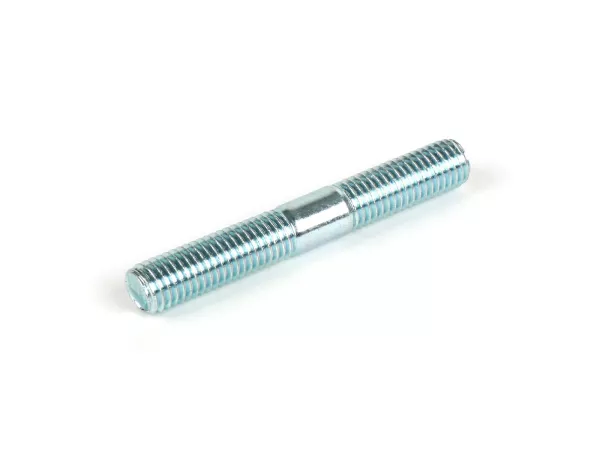
Scope of delivery includes gaskets and two longer M7 stud bolts for fastening.
Adjusting or widening the intake zone in the housing significantly increases traction and top performance.
For engines with carburetor mounting with hexagon socket screws, an additional mounting set is required (part no. 5250049K, available separately) and, if not available, 2x stud bolts BGM2750S.
Compatibility and restrictions
The reed valve box is designed for Vespa large-frame engines with Dell'orto SI carburetor and long sealing surface of the carburetor bowl. The decisive factor is the usable width of the sealing surface between the fastening screws.
Suitable for largeframe engines with rotary valve control and SI carburetor from approx. 1962 with long sealing surface.
Not suitable for Vespa T5 and certain PX80-150 engines with a short sealing surface (less than approx. 60 mm between the carburetor mounting holes).
Cannot be used in conjunction with a standard oil pump, operation is usually with mixture lubrication.
Scope of delivery
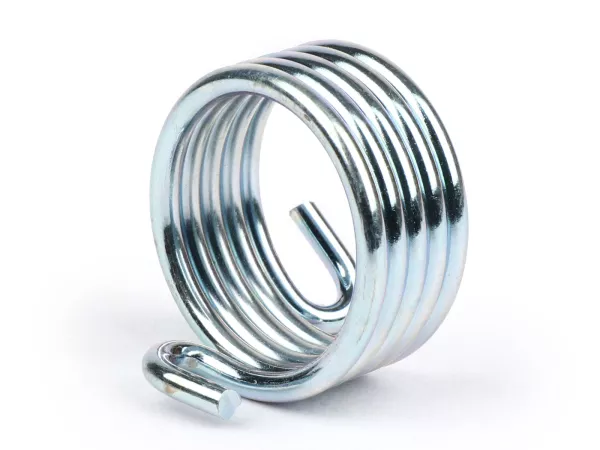
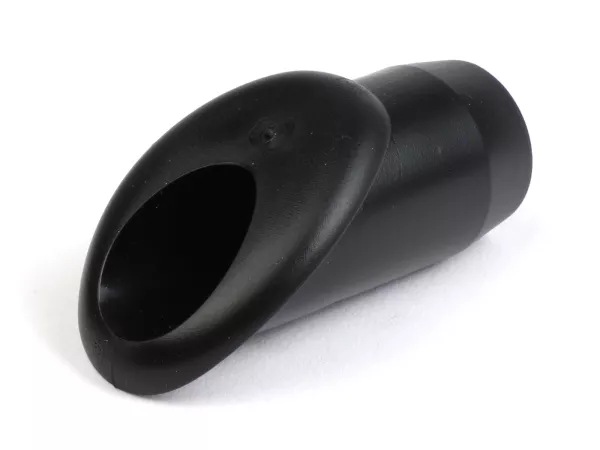
- CNC-milled diaphragm case for installation under the carburetor sump
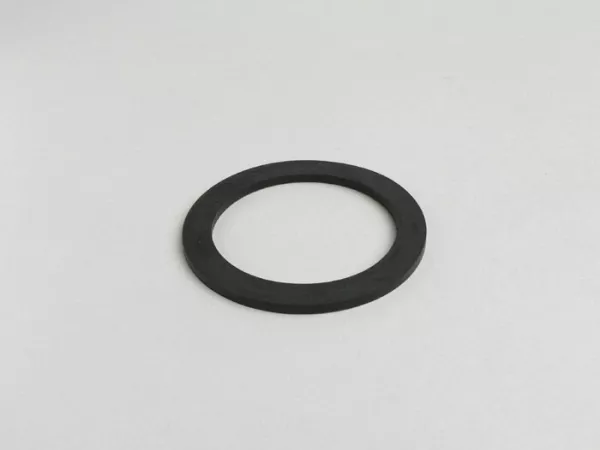
- Suitable gaskets for installation
FAQ: Membrane box under carburetor sump Vespa Largeframe
Frequently asked questions
For which engines is the diaphragm box suitable?
The box is designed for Vespa Largeframe engines with rotary valve control and Dell'orto SI carburettor, typically models from around 1962 with a long carburettor sump sealing surface. T5 engines and some PX80-150 engines with a short sealing surface are excluded by design.
Can I use the system together with an oil pump?
No. Due to the design and the installation location under the carburetor sump, the combination with a standard separate lubrication system is not intended. The engine is usually operated with classic mixture lubrication.
Does the engine housing need to be machined?
Machining is not absolutely necessary, but adjusting the intake area on the housing can significantly improve the flow and thus increase traction and performance. The extent and type of machining depends on the particular setup.
What about engines whose carburetor is fastened with hexagon socket screws?
In this case, a special fastening set is also required (part no. 5250049K, available separately) and, if not available, 2x stud bolts BGM2750S to securely fasten the carburetor, sump and reed box.
When is it worth using a reed valve box?
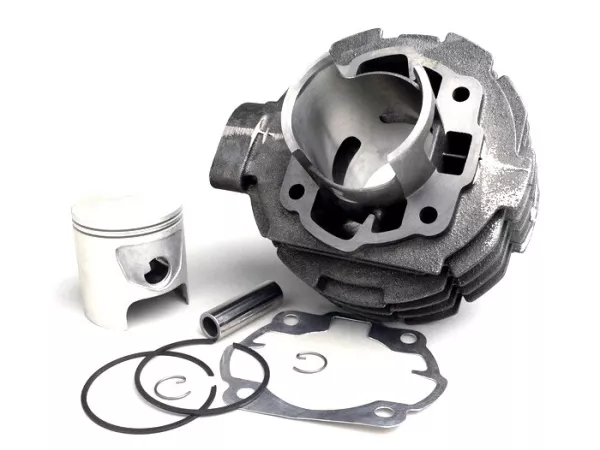
The conversion is particularly useful for engines with a worn or damaged rotary valve, where repairing the intake is expensive or no longer possible. The diaphragm intake is also a good option if a performance-oriented setup with an enlarged intake cross-section and corresponding tuning cylinder is planned.


 DE | €