Postage free from 99€ (DE)
High customer satisfaction


 DE | €
- Vespa Classic
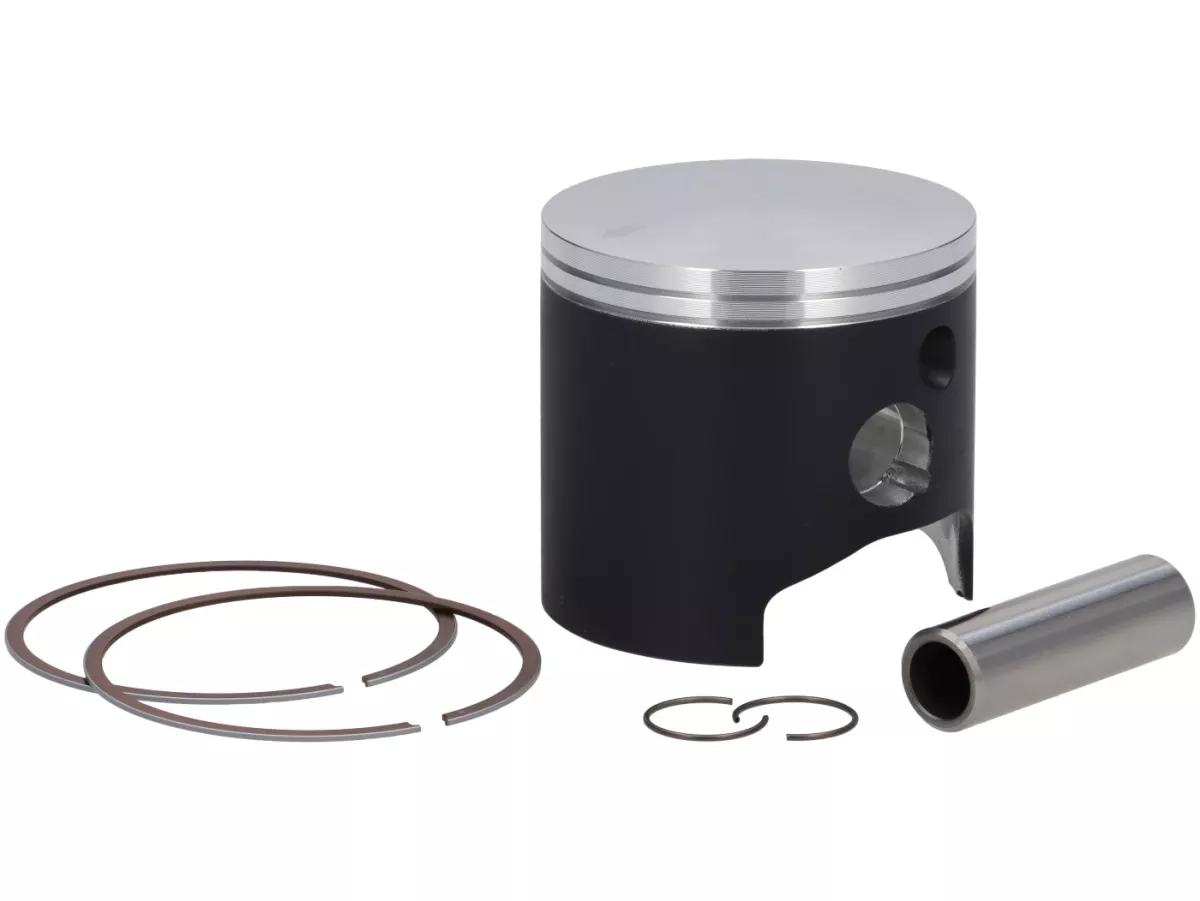
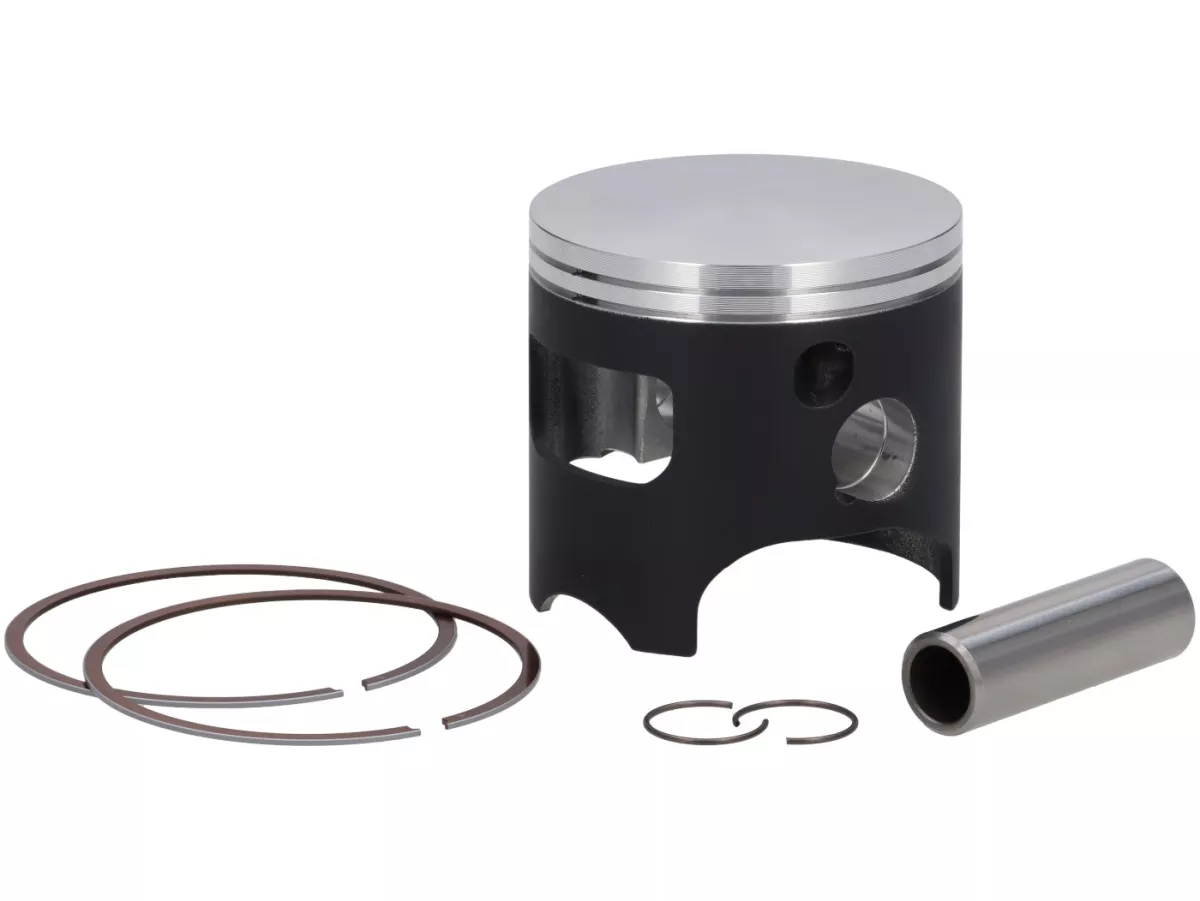
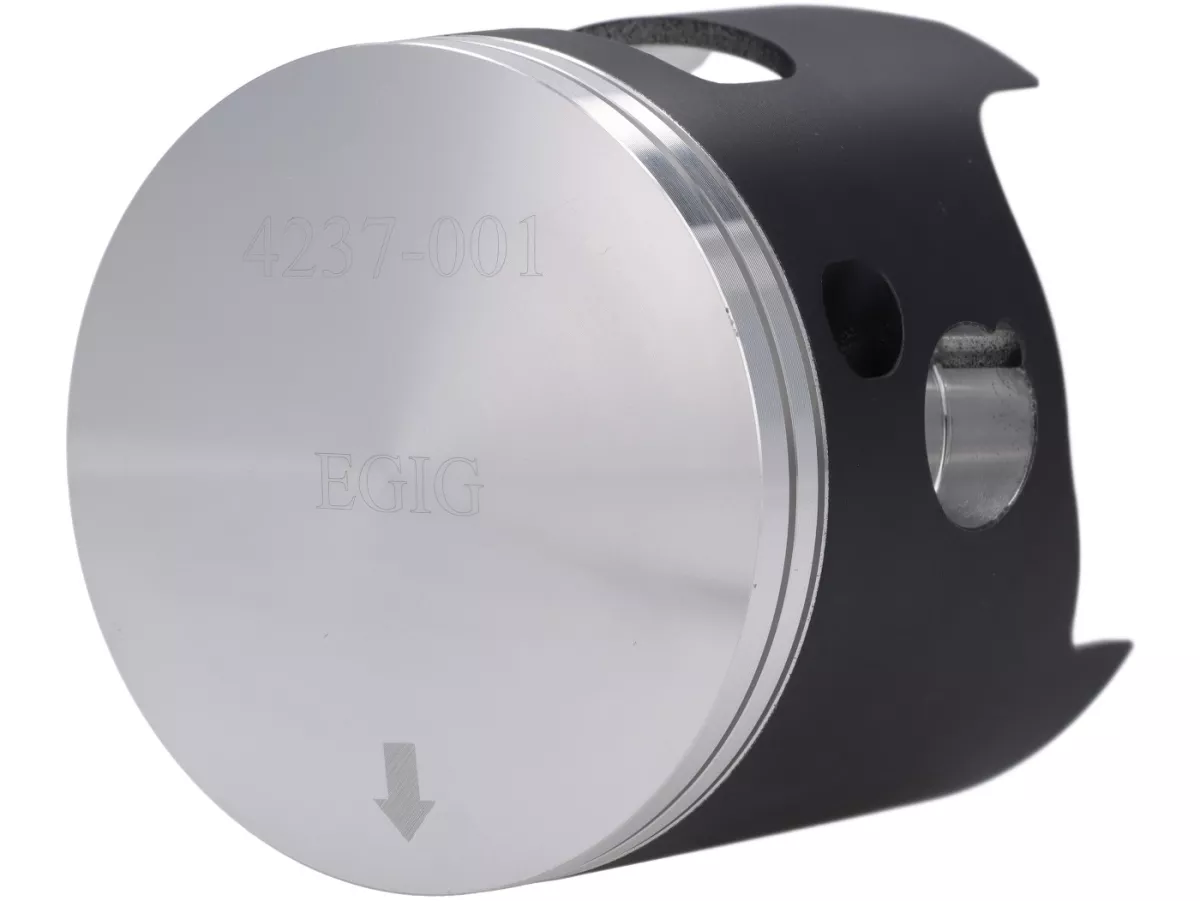
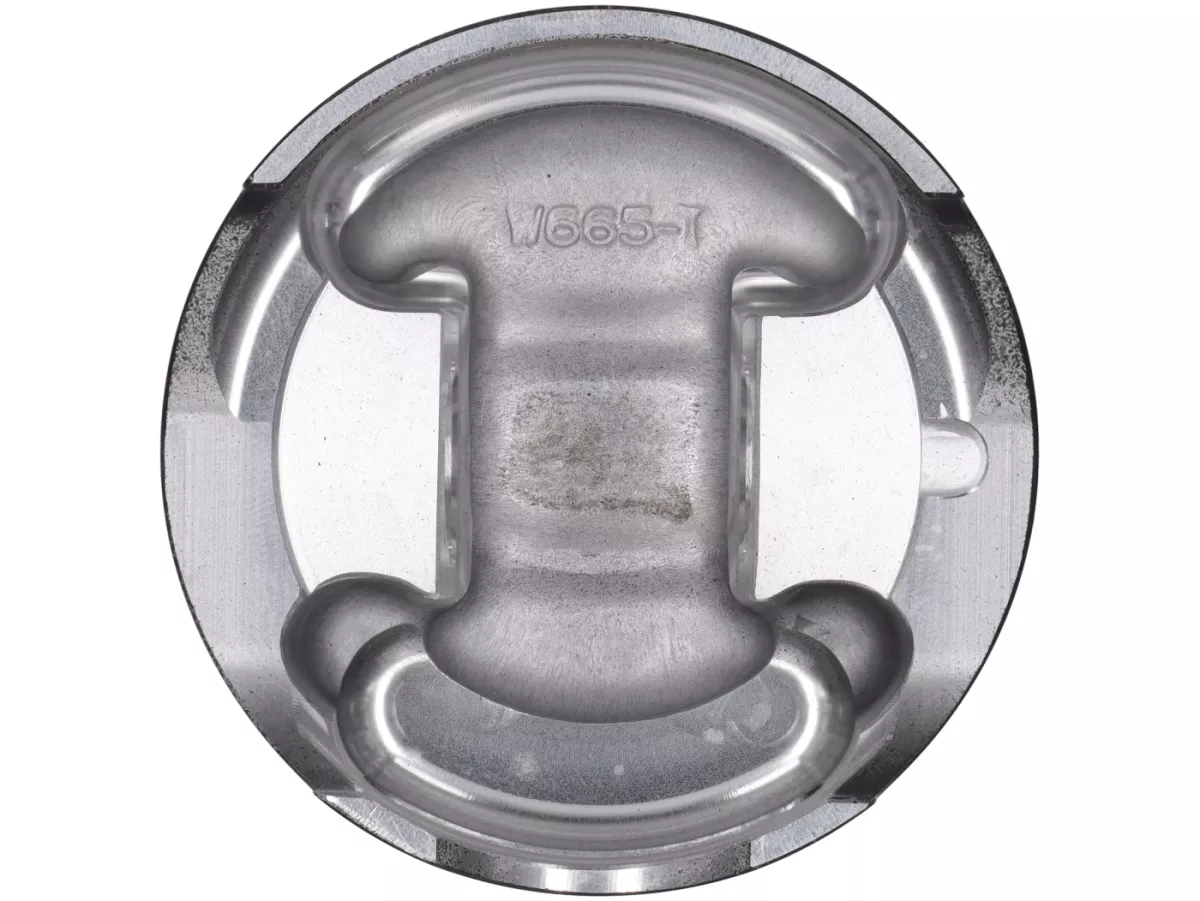
- Piston - EGIG PERFORMANCE / WÖSSNER - Ø68 mm, 2 piston rings, piston pin Ø15 mm - EGIG 205/210/220 cc - Vespa PV125, ET3 125, PK125
Ø68-mm replacement piston for the high-performance EGIG PERFORMANCE cylinder kits with 205, 210, and 220 cm³.
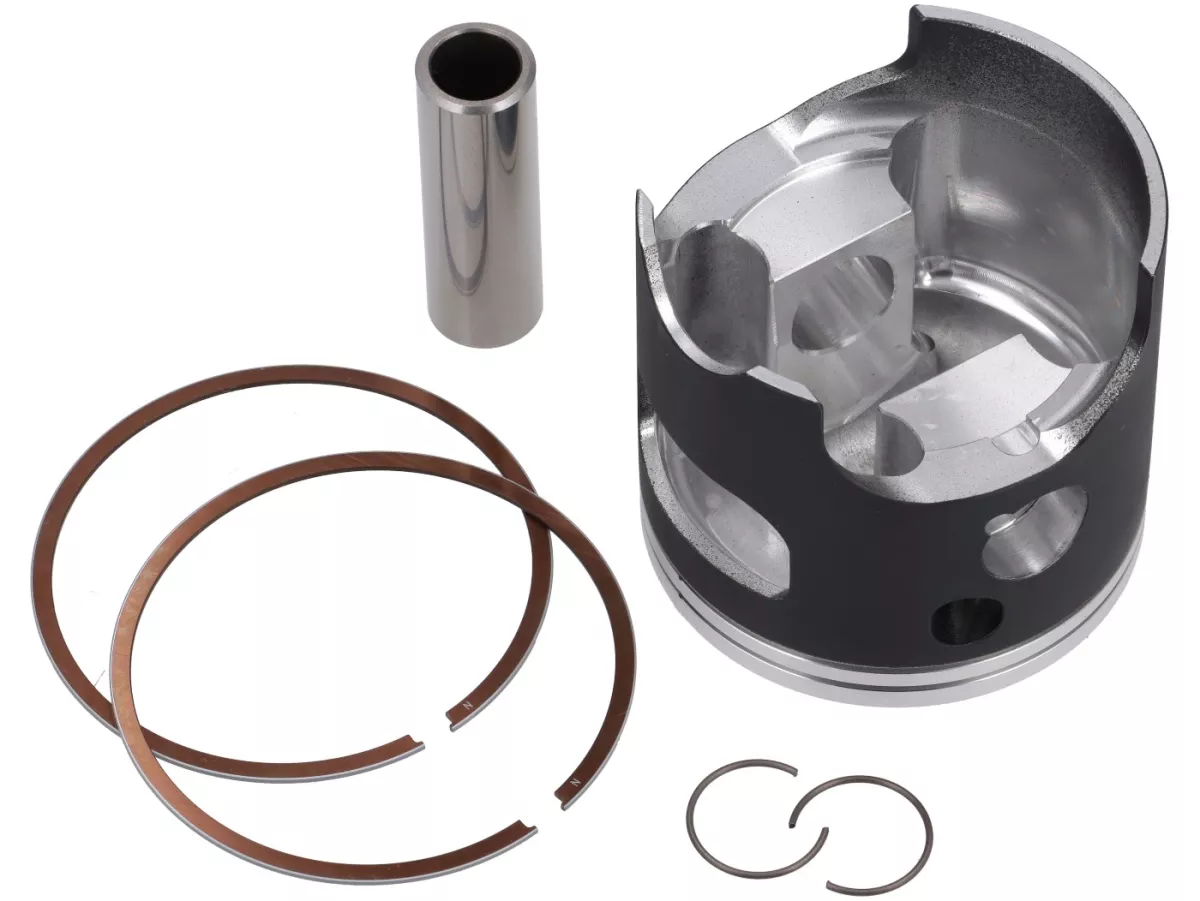
The EGIG PERFORMANCE piston with a diameter of 68 mm is the correct replacement piston for the large-displacement EGIG cylinders in the 205-, 210-, and 220-cm³ series. Manufactured by Wössner, this forged piston features two piston rings and a 15-mm-diameter piston pin.
The EGIG cylinders combine the large 68-mm bore with various crankshaft and stroke configurations. This allows the same piston diameter to be used within the cylinder family for different displacement levels. It is crucial that the cylinders, piston design, and engine concept come from the appropriate EGIG series.
EGIG PERFORMANCE Wössner Forged Pistons Ø68 mm 2 piston rings Piston pin Ø15 mm Measure the cylinder before installation
The piston is designed for the Ø68-mm cylinders of the EGIG PERFORMANCE series. This includes the engine variants with 205, 210, and 220 cm³.
The respective displacement is not determined solely by the piston diameter. The crankshaft stroke used and the overall cylinder design are also decisive factors. Therefore, multiple displacement variants can use the same piston diameter.
| Version | Piston Diameter | Displacement is determined by |
|---|---|---|
| EGIG 205 | Ø68 mm | Stroke and engine configuration matching the 205-cm³ version |
| EGIG 210 | Ø68 mm | Stroke and engine configuration compatible with the 210-cm³ version |
| EGIG 220 | Ø68 mm | Stroke and engine configuration compatible with the 220-cm³ version |
Before ordering, please verify that the existing cylinder actually belongs to the EGIG 205/210/220 series with a 68-mm-diameter piston.
The piston is manufactured by Wössner as a forged piston. In this manufacturing process, the piston material is shaped into its basic form under high pressure. This results in a robust material structure capable of withstanding high combustion pressures, high RPMs, and thermal cycling.
These properties are well-suited to the application of the EGIG cylinders. The high-displacement small-frame engines generate significantly higher forces than a standard Vespa engine. The piston must not only withstand the combustion pressure but also cope with the strong acceleration and deceleration forces during each crankshaft revolution.
The EGIG piston is designed as a two-ring piston. The piston rings seal the combustion chamber off from the crankcase and transfer some of the heat generated in the piston to the cylinder bore.
To ensure proper function, the rings must be able to move freely in their ring grooves. During installation, their ring joints must be correctly positioned against the designated retaining pins.
The piston pin seat is designed for a piston pin with a diameter of 15 mm. The crankshaft, connecting rod, piston pin, and needle bearing must therefore fit together perfectly.
During an engine overhaul, the upper connecting rod bearing should also be inspected and replaced if there are visible wear marks, increased play, or unclear operating history. A worn needle bearing can damage the new piston and piston pin within a short time.
A piston replacement may be necessary as part of a scheduled engine overhaul or following mechanical damage. The decisive factor is not mileage alone, but the actual condition of all components involved.
A new piston should not be installed in a used cylinder without first being inspected. The cylinder bore, coating, and piston must be measured and matched to each other.
The nominal diameter marked on the piston is no substitute for actual measurement. The actual installation clearance is determined by the measured piston diameter and the actual cylinder bore.
The EGIG-205/210/220 cylinders feature a coated aluminum running surface. If the coating is damaged, simply installing a new piston is not sufficient.
Deep grooves, spalling, or significant dimensional deviations must be assessed by a specialist shop. Depending on the condition, the cylinder may need to be reconditioned and recoated.
Two-stroke pistons have a specified installation orientation. This is necessary to ensure that the ring grooves, piston windows, and contours are correctly aligned with the cylinder channels.
Before installation, therefore, all markings on the piston and the manufacturer’s specifications must be observed. A piston installed the wrong way around can cause a piston ring to spring into a cylinder channel, resulting in severe engine damage within a very short time.
The vehicle specification describes the compatible engine base. The piston does not fit into a stock PV, ET3, or PK125 cylinder, but only into the corresponding EGIG Ø68-mm cylinder.
An identical bore diameter alone is not sufficient for compatibility. Pistons differ, among other things, in compression height, pin position, piston crown, ring position, and skirt contour.
This piston is therefore intended exclusively for the corresponding EGIG 205/210/220 cylinder family.
| Manufacturer | EGIG PERFORMANCE |
|---|---|
| Piston Manufacturer | Wössner |
| Component | Replacement piston |
| Type | Forged piston |
| Piston diameter | Ø68 mm |
| Number of piston rings | 2 |
| Piston pin diameter | Ø15 mm |
| Compatible cylinders | EGIG PERFORMANCE 205, 210, and 220 cm³ with a 68-mm bore |
| Vehicle range | Vespa Smallframe |
| Models | PV125, ET3 125, and PK125 with corresponding EGIG engine configuration |
The EGIG PERFORMANCE piston with a 68-mm diameter is the ideal replacement for the large-displacement EGIG 205/210/220 cylinders. The Wössner forged piston, featuring two piston rings and a 15-mm piston pin, is designed to withstand the high mechanical and thermal stresses of these engines.
Before installation, the piston, cylinder bore, and cylinder liner coating must be carefully inspected and measured. The engine can only operate reliably with the correct piston clearance, properly installed piston rings, and an EGIG cylinder model that matches the piston.