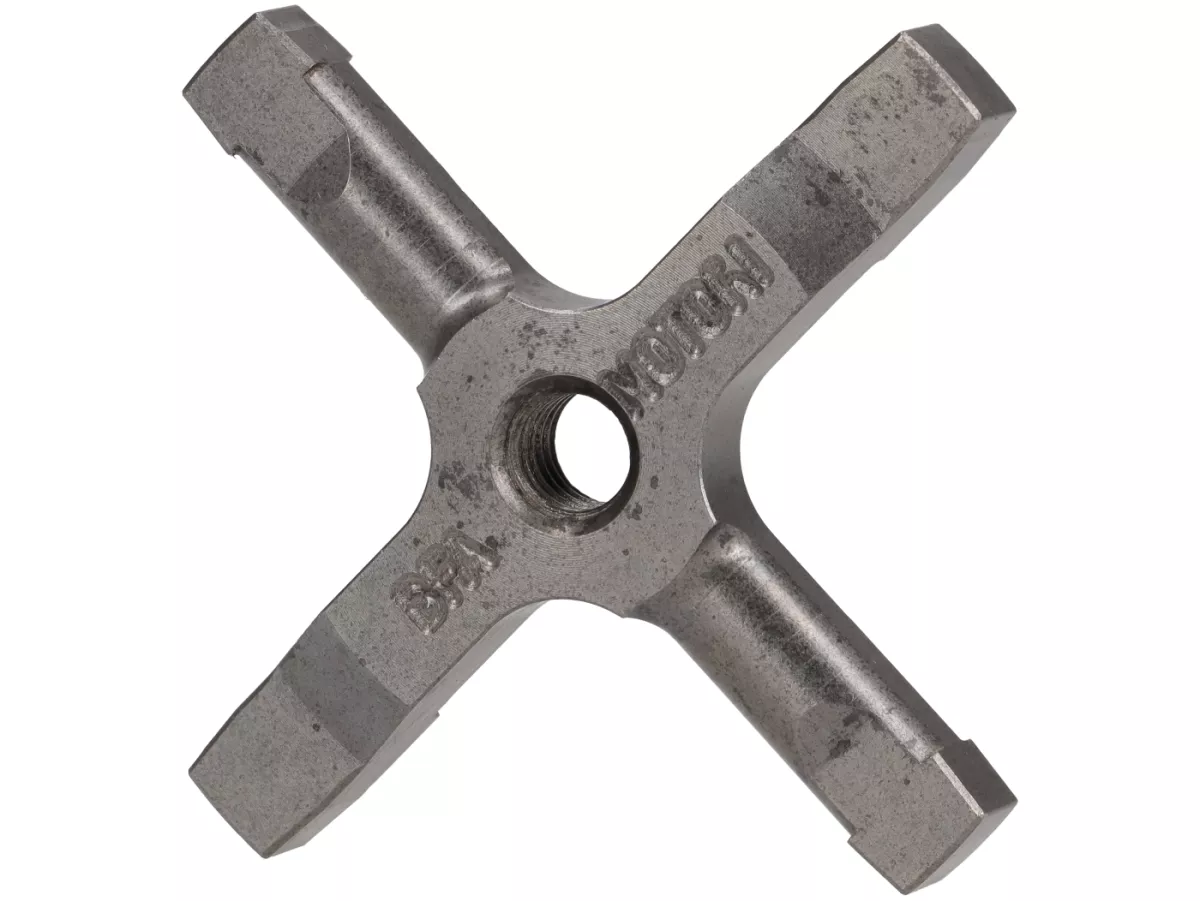
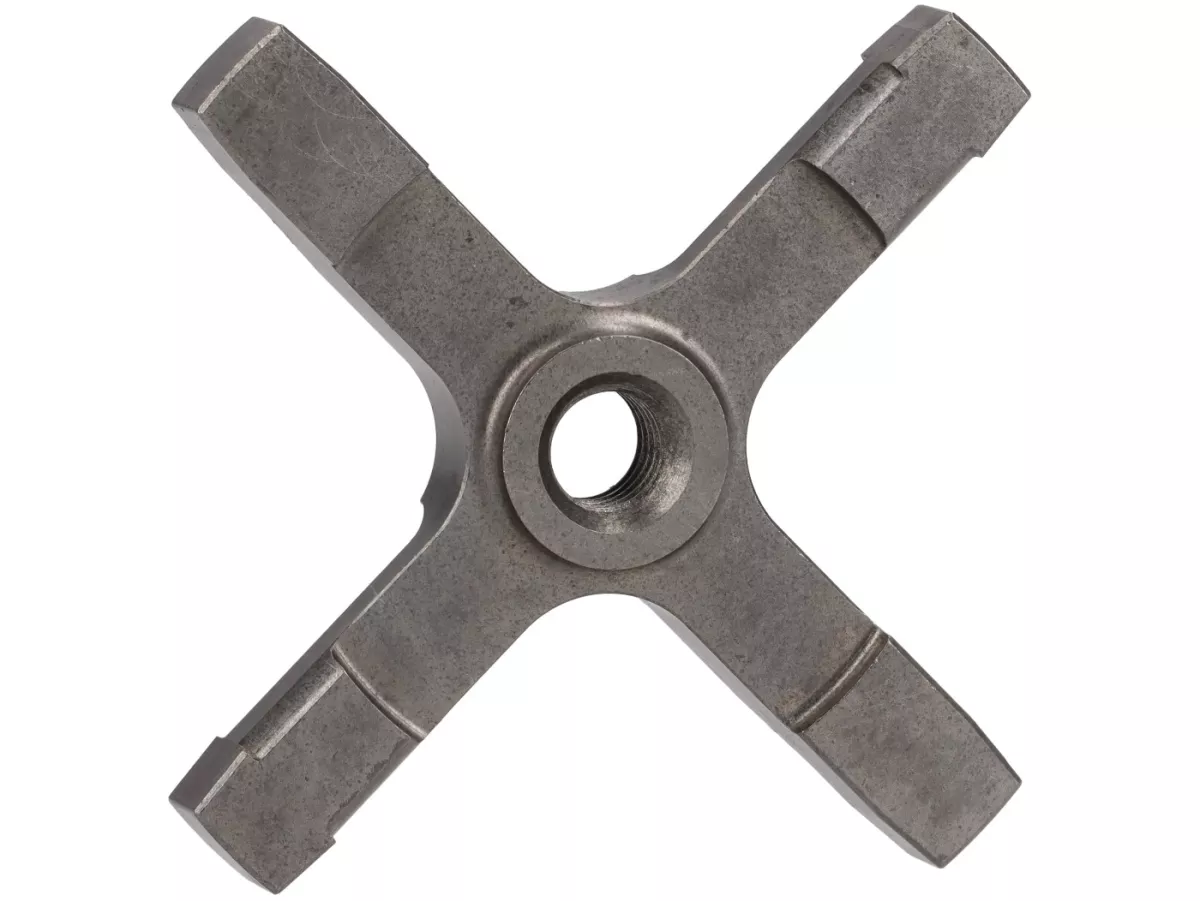
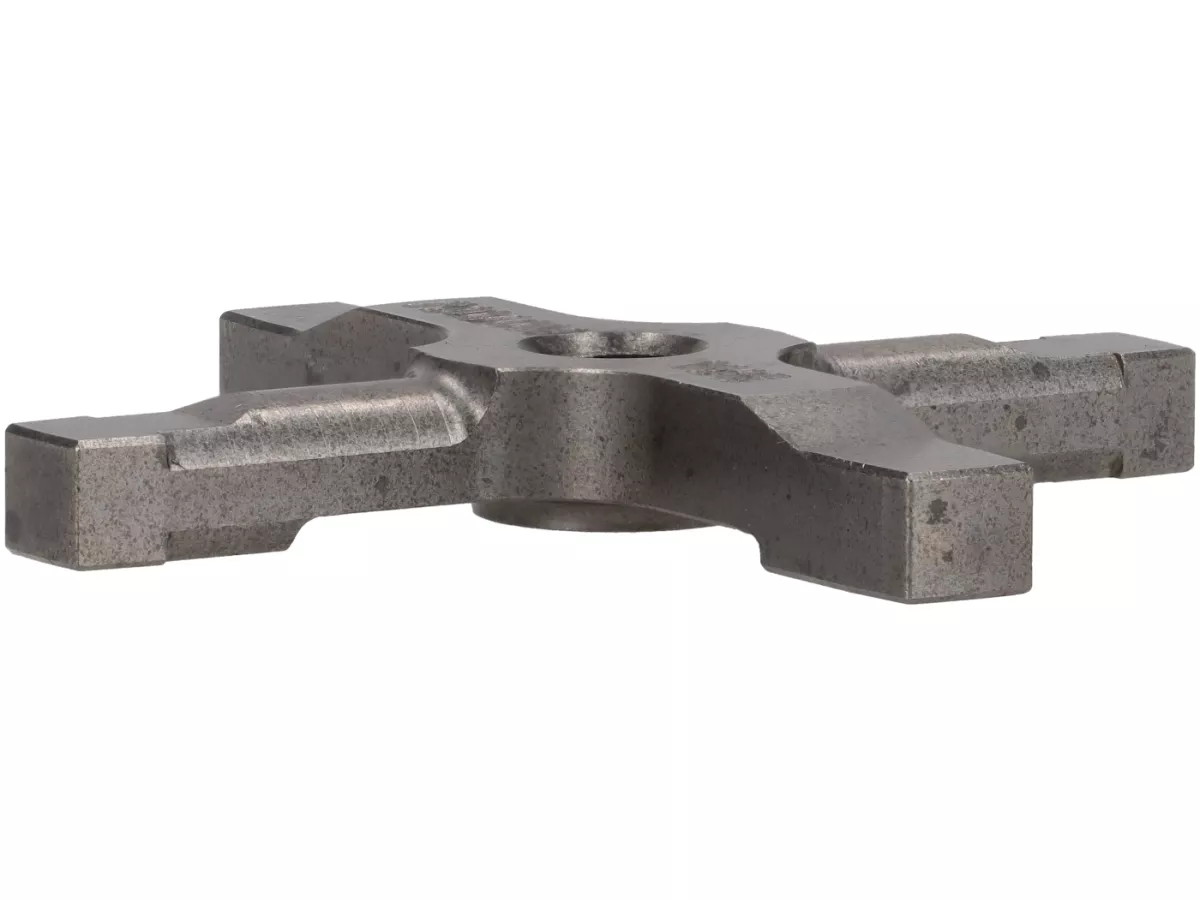
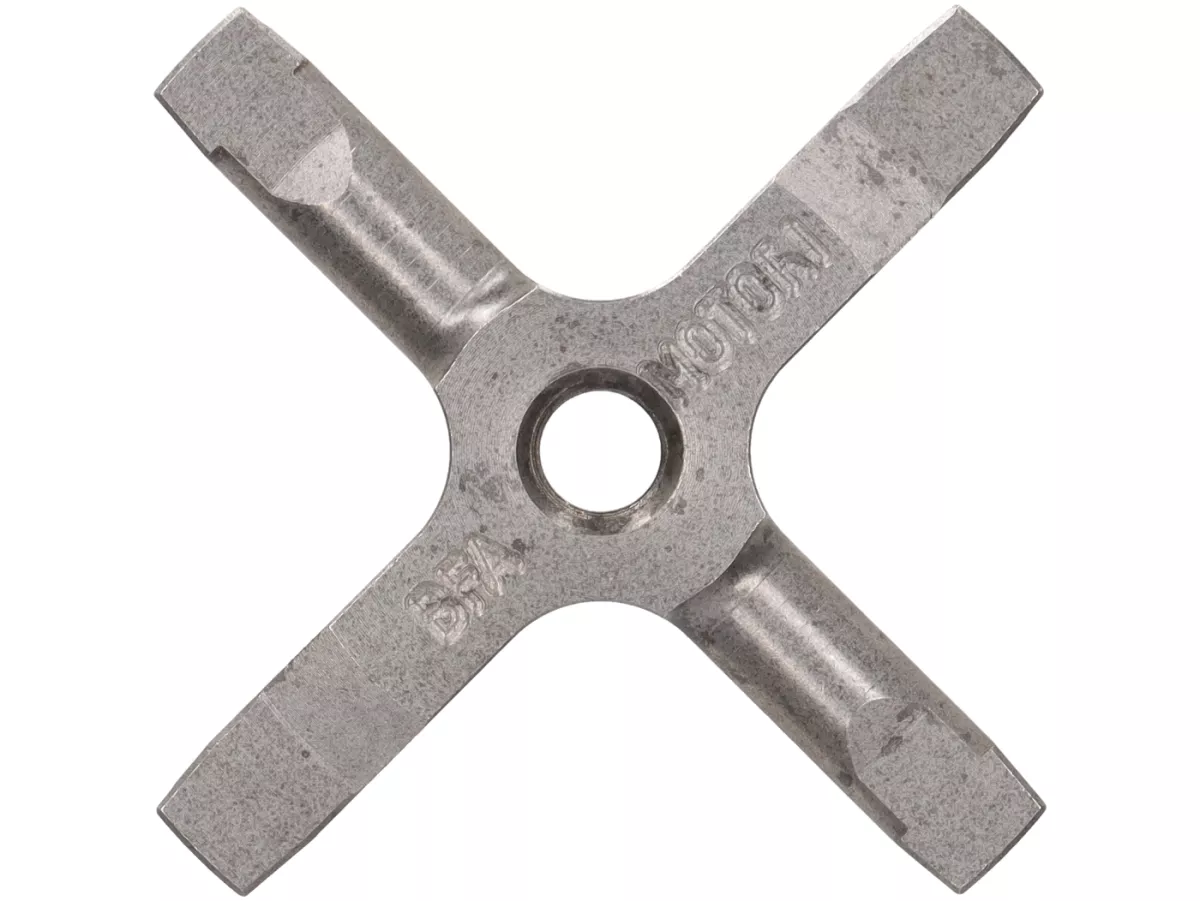
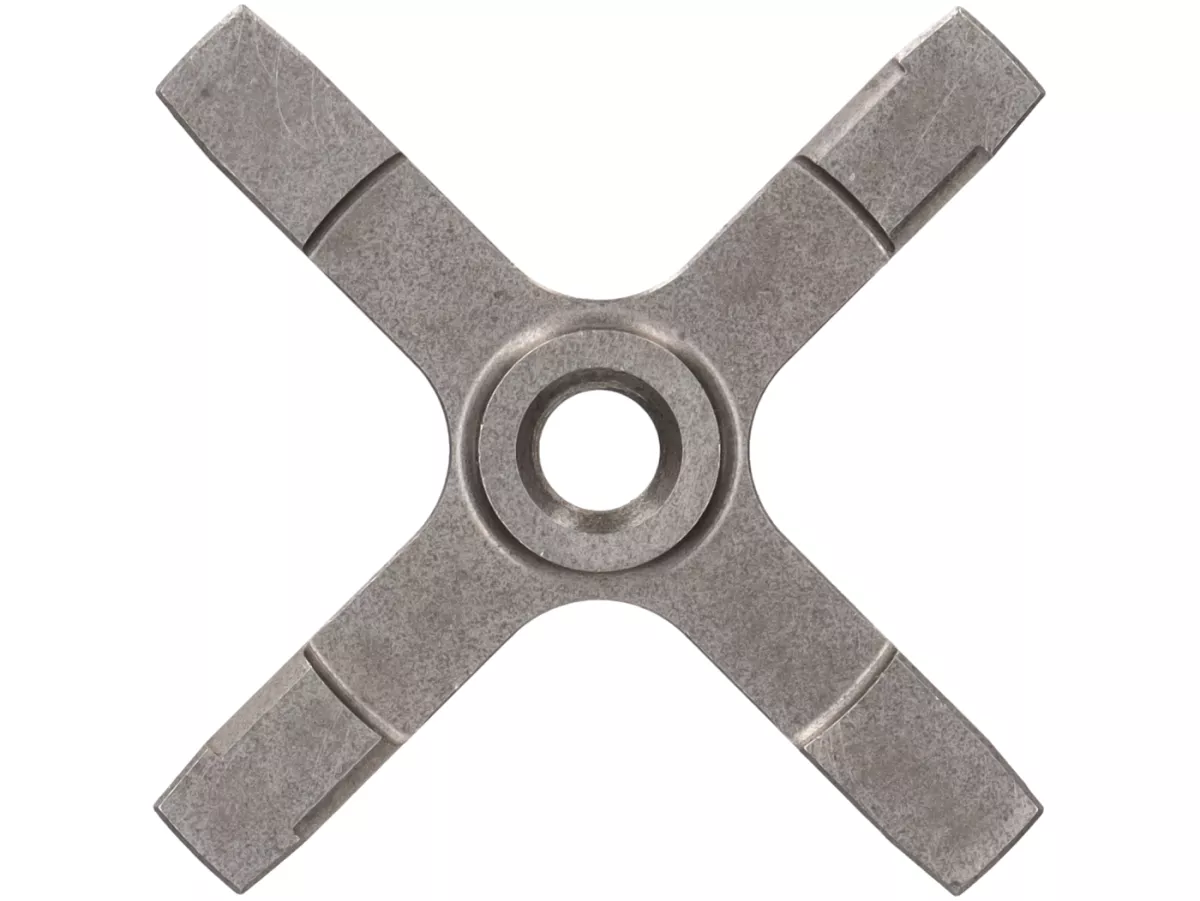
BFA/FRT Shift Cross for Older PX Models – for Vespa PX, Rally, Sprint, and GT
A smoothly shifting transmission is not a given—especially when the engine produces more power than originally intended. The BFA/FRT shift fork for the classic Vespa PX is a high-quality replacement part for the early generation of classic large-frame four-speed transmissions.
The shift fork performs one of the most important functions in the transmission: it establishes the positive connection between the selected gear and the main shaft. Consequently, it is subjected to high loads during every gear change and throughout power transmission.
The BFA/FRT shift fork in the cranked design for older Ves pa PX models is suitable for overhauling corresponding original transmissions and is also ideal for performance-oriented engine builds.
The advantages at a glance
- BFA/FRT Quality: High-quality transmission component from the Italian tuning and motorsports specialist
- Angled design: Compatible with the early PX transmission generation
- Smooth gear changes: Replaces worn shift forks and restores proper gear engagement when the rest of the shift mechanism is intact
- For stock and tuned engines: Suitable for corresponding classic large-frame four-speed transmissions
- Ideal for engine overhauls: A heavily stressed wear part can be replaced directly
Why an intact shift cross is so important
When shifting, the shift pawl moves the shift cross within the main shaft. Its four arms engage with the drive surfaces of the selected gear and transfer engine torque to the drive shaft.
As mileage increases, the contact surfaces of the shift cross can wear down and lose their original shape. Under load, this can cause the gear to no longer hold reliably and to pop out.
The shifting mechanism is subjected to significantly greater stress, especially in engines with increased power output. A worn shift cross should therefore be replaced early on, before the meshing surfaces of the gear teeth are also damaged.
Important: Not every instance of gear slippage is caused exclusively by a worn shift fork. Excessive transmission play, worn gear teeth, or a worn-out or incorrect shift detent can also be responsible.
PX Old or PX Lusso – The Key Difference
For Vespa large-frame engines, a distinction is made between the early PX-alt transmissions and the later PX-Lusso transmissions.
Old PX, up to about 1984: These transmissions use a cranked shift fork. In the corresponding PX model, there is a washer between the shift fork and the shift pin. The gear wheels are held in place on the main shaft on one side by a retaining ring and a correspondingly thicker shoulder ring.
PX Lusso, from around 1984 onward: The revised transmission design uses a flat shift fork and a modified main shaft. The positioning of the gear wheels and the shift detent also differ.
The two types of shift forks are not interchangeable. Therefore, especially for the earliest Lusso models and for engines that have already been overhauled, the actual transmission type installed is decisive—not just the model year or model designation.
Technical Specifications
| Feature |
Version |
| Manufacturer | BFA/FRT |
| Component | Shift cross |
| Transmission type | Old Vespa PX |
| Design | Angled / arched |
| Transmission | 4-speed |
| Application | Early Vespa large-frame transmissions |
| Typical production period | PX through approx. 1984 |
| Other model series | Selected GT, GTR, Sprint, Super, TS, Rally, and Motovespa models |
Compatible Vespa PX Models
For early PX transmissions, specifically:
- Vespa P80X / PX80 / PX80 E
- Vespa P125X / PX125 / PX125 E
- Vespa P150X / PX150 / PX150 E
- Vespa P200E / PX200 / PX200 E
- Vespa PX100 E with the corresponding transmission configuration
- Vespa P150 S with the corresponding transmission configuration
Some of the earliest PX Lusso models still feature the original transmission. The following chassis number ranges apply to the well-known transitional model series:
| Model |
Old PX version |
| PX80, V8X1T | Up to 100230 |
| PX125, VNX2T | Up to 232052 |
| PX150, VLX1T | Up to 624301 |
| PX200, VSX1T | Up to 315266 |
Note: For engines with an unknown repair history or a replaced main shaft, the installed shift cross should be inspected before ordering.
Other compatible large-frame models
The cranked shift fork design was also used on various older Vespa large-frame models, in some cases only starting with certain chassis numbers:
- Vespa 125 GT / Sprint, VNL2T, starting with 78301
- Vespa 125 GTR, VNL2T, starting with 124014
- Vespa 125 TS, VNL3T
- Vespa 150 Sprint, VLB1T, starting with 1170239
- Vespa 150 Sprint Veloce, VLB1T, starting at 169301
- Vespa 150 Super, VBC1T, starting at 181687
- Vespa 180 Rally, VSD1T, starting at 26849
- Vespa 200 Rally, VSE1T, starting at 4476
This type of transmission is also used in various Spanish Motovespa models, including the 125 CL, 150 CL, 150 GS, 150 S, 150 Sprint, 160 GT, and 200 DS. Due to the sometimes differing Spanish transmission designs, the design of the existing shift fork should be checked before replacement.
Installation Instructions for Reliable Shifting
Replacing the shift fork provides a good opportunity to inspect the entire transmission for wear and proper adjustment.
- Check the gear teeth: The meshing surfaces must not be severely rounded or damaged.
- Spacing the transmission: Check the axial play of the gear wheels and correct it with suitable spacer rings if necessary.
- Check the shift detent: Worn bearings and wear on the shift elements can prevent precise engagement.
- Check the shift pins: Inspect for damage and ensure they are correctly designed. For the older PX design, be sure to use the specified washer.
- Match gear components: The shift fork, main shaft, gear wheels, and shift detent must be compatible with the same generation of the drivetrain.
Installation note: The corresponding PX-old shift rod uses a left-hand thread. To loosen, turn the shift pin clockwise. When reassembling, follow the installation instructions specific to the particular transmission model.
Scope of Delivery
- 1 × BFA/FRT shift fork in old PX design
Shift bolt, washers, shift detent, and other transmission components are not included with this item.
Frequently Asked Questions (FAQ)
Does the shift cross fit in a PX Lusso as well?
Only if the early PX-old transmission is still installed. The later Lusso transmissions use a flat shift fork with a different geometry. The actual transmission type is the deciding factor.
How can I tell if my motorcycle has an “old PX” transmission?
The “PX-alt” shift fork has a cranked design, while the later Lusso version is flat. With the corresponding PX-alt shift rod, a washer is also used between the shift pin and the shift fork. You can reliably compare the designs with the engine open.
Will a new shift cross prevent gears from popping out?
Yes, if wear on the existing shift cross is the cause. However, the gear teeth, transmission play, and shift detent should also be checked at the same time. Otherwise, even a new shift cross may not permanently resolve the problem.
Should the shift fork be replaced during every engine overhaul?
Replacement is recommended during a comprehensive transmission overhaul. Since the engine case is already open for this purpose, a heavily worn part can be replaced with relatively little additional effort.
Is the shift cross suitable for modified engines as well?
The BFA/FRT shift cross can be used in appropriately modified older PX transmissions. For high-performance engines, it is particularly important that the gear wheels are in perfect condition, that the axial play is correct, and that the shift detent operates precisely.


 DE | €