Postage free from 99€ (DE)
High customer satisfaction


 DE | €
- Vespa Classic
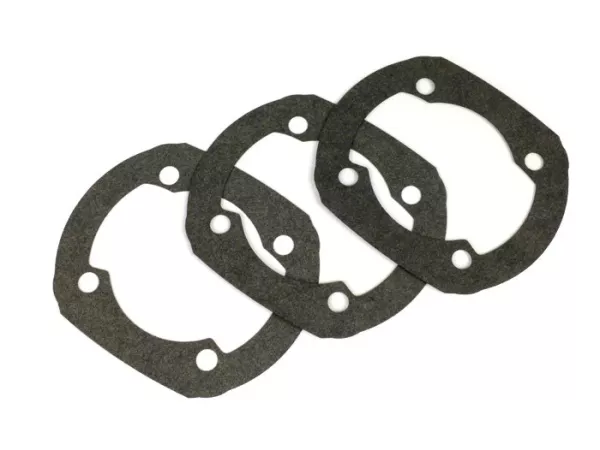
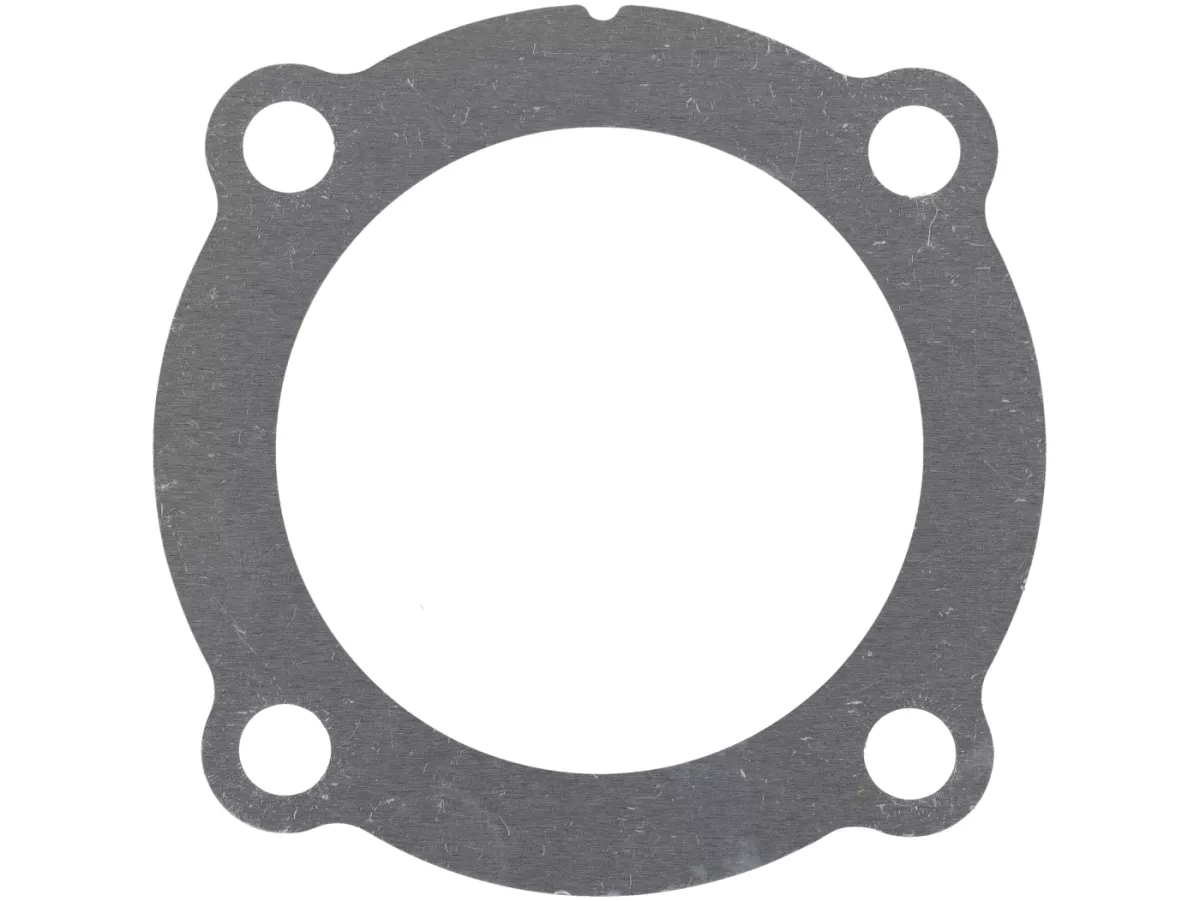
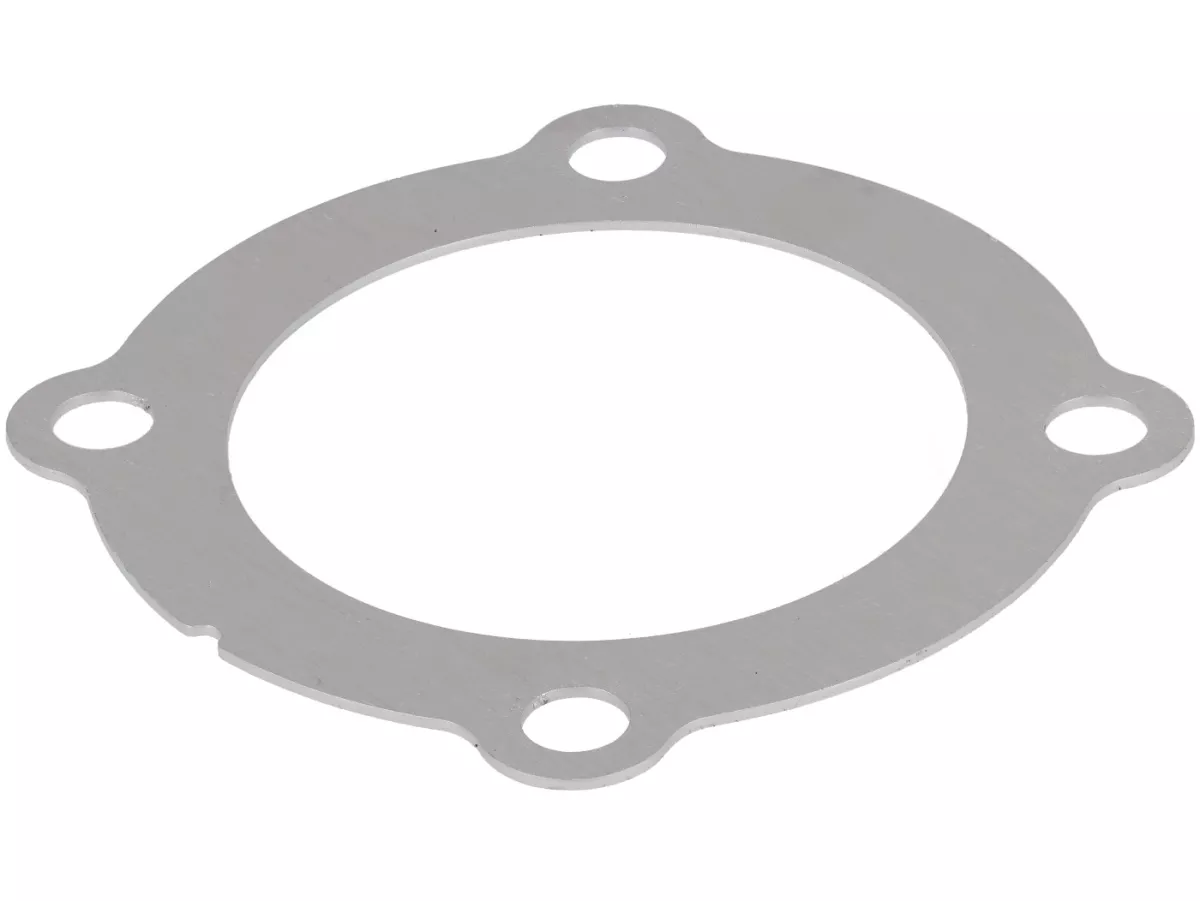
- Cylinder head gasket -DR133, POLINI 133 ccm (old version cast iron)- Vespa PV125, ET3 125, PK125 - Ø57mm - 1.0mm

| Crushing edge | Precise recovery/adjustment after stroke and setup changes |
|---|---|
| Support | Full-surface, flat sealing on classic head geometries |
| Thermal | Aluminum conducts heat very well, supports stable working temperatures |
| Setup flex | Clean combustion chamber position despite base spacer or different compression height |
| Reversible | Can be installed/removed without machining - ideal for tuning/testing |
Thickness: 1.0 mm Material: Aluminum For flat head sealing surfaces Precise adjustment of the crushing edge For modified stroke/compression height DR 133 & older Polini cast iron
This cylinder head spacer was developed for classic cylinder heads with a flat head sealing surface - ideal forDR 133 and older Polini cast iron cylinders(without stepped head sealing stage). It enables the exact restoration or adjustment of the squish edge and combustion chamber position in the event of a modified stroke, different compression height (e.g. long stroke, different connecting rod length) or in combination with base spacers.
Designed for smallframe cylinders with flat head support: DR 133 and older Polini cast iron versions (classic racing/sport versions without stepped head surface). Please check the head geometry visually before fitting.
| Head material | Aluminum (highly conductive, milled flat) |
|---|---|
| Type of construction | Head spacer for flat head sealing surfaces (no offset step required) |
| Thickness | 1.0 mm |
| Compatible cylinders | DR 133; older Polini cast iron Racing/Sport (classic, flat head support) |
Clean sealing surfaces thoroughly and check for flatness. Dry fit spacer, then fit thinly with suitable heat-resistant sealant or in combination with a suitable head gasket (depending on concept). Tighten cylinder head bolts crosswise to manufacturer's torque, retighten after the first heat cycle. Then measure and document pinch edge using solder; in the case of major stroke/connecting rod changes, also check timing and fine-tune base/head spacer combination if necessary.