Made in Italy Item number: 4350053IT
Made in Italy
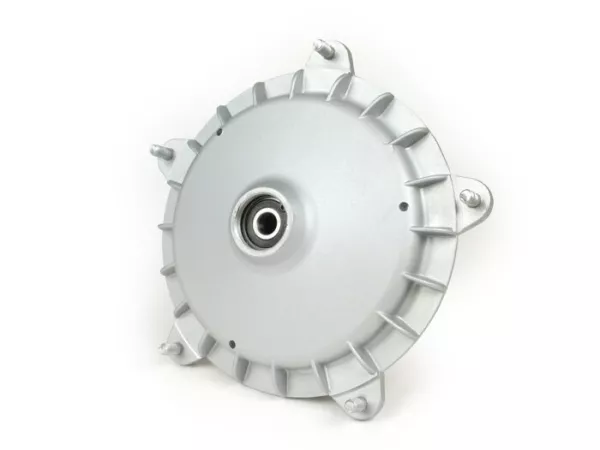
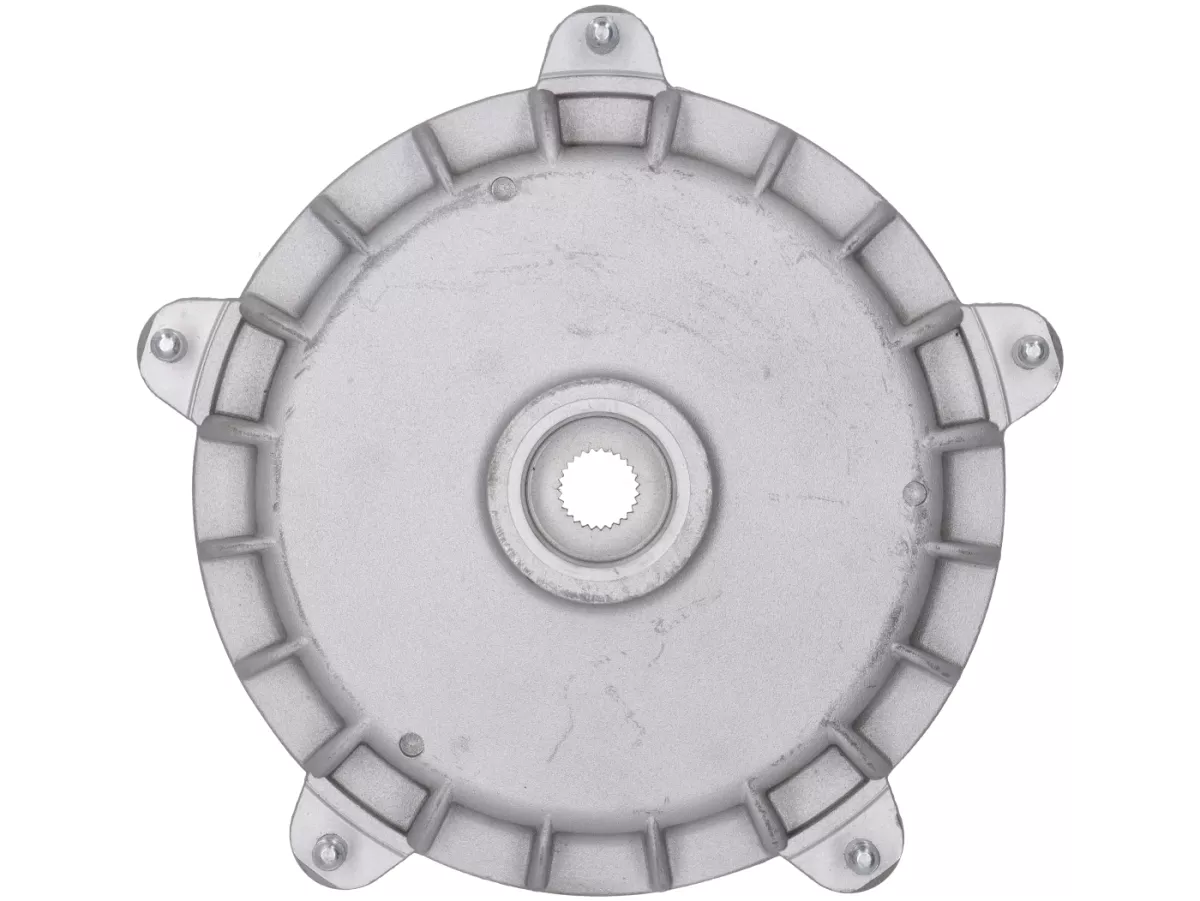
Product: Rear brake drum for Vespa Largeframe
Specifications: Italian factory quality, without visible logo
Origin: From the former manufacturer of the excellent old original Piaggio brake drums
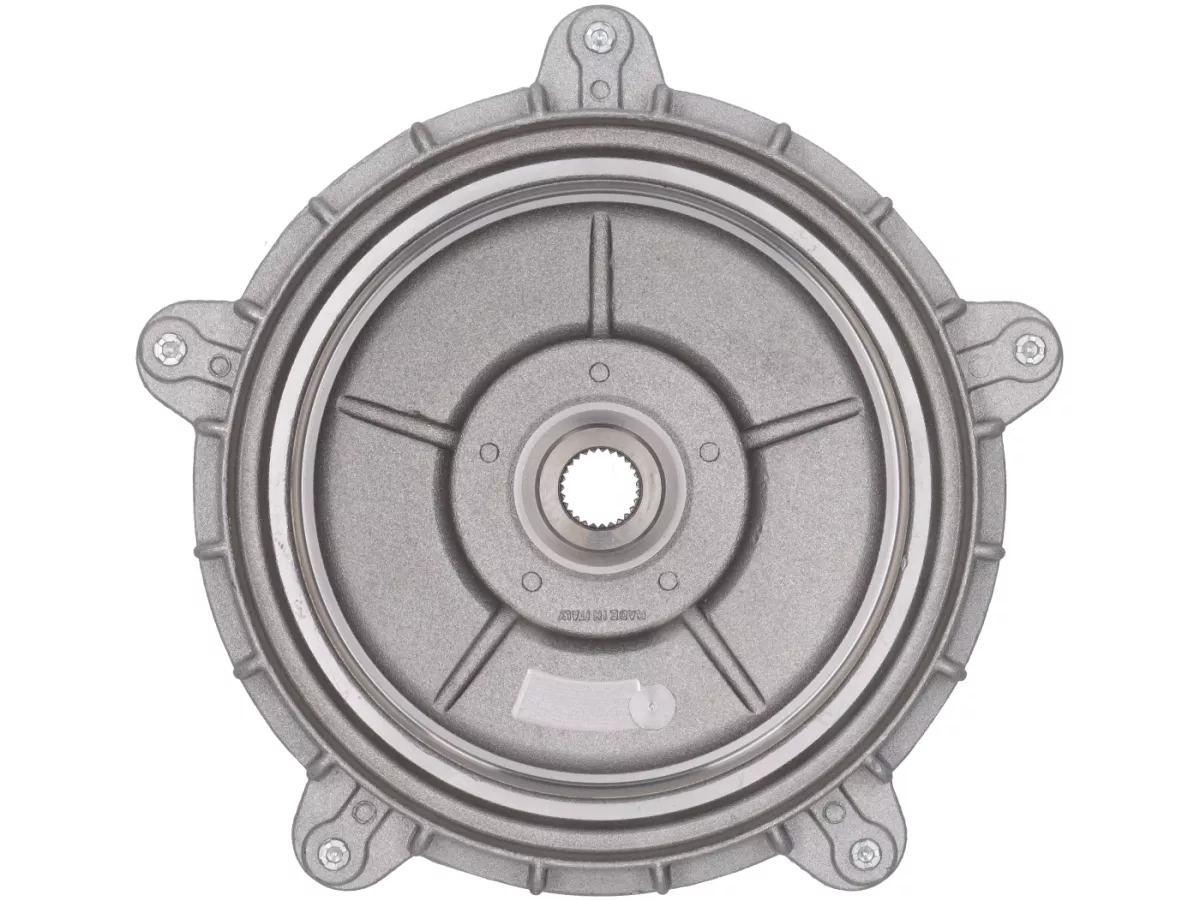
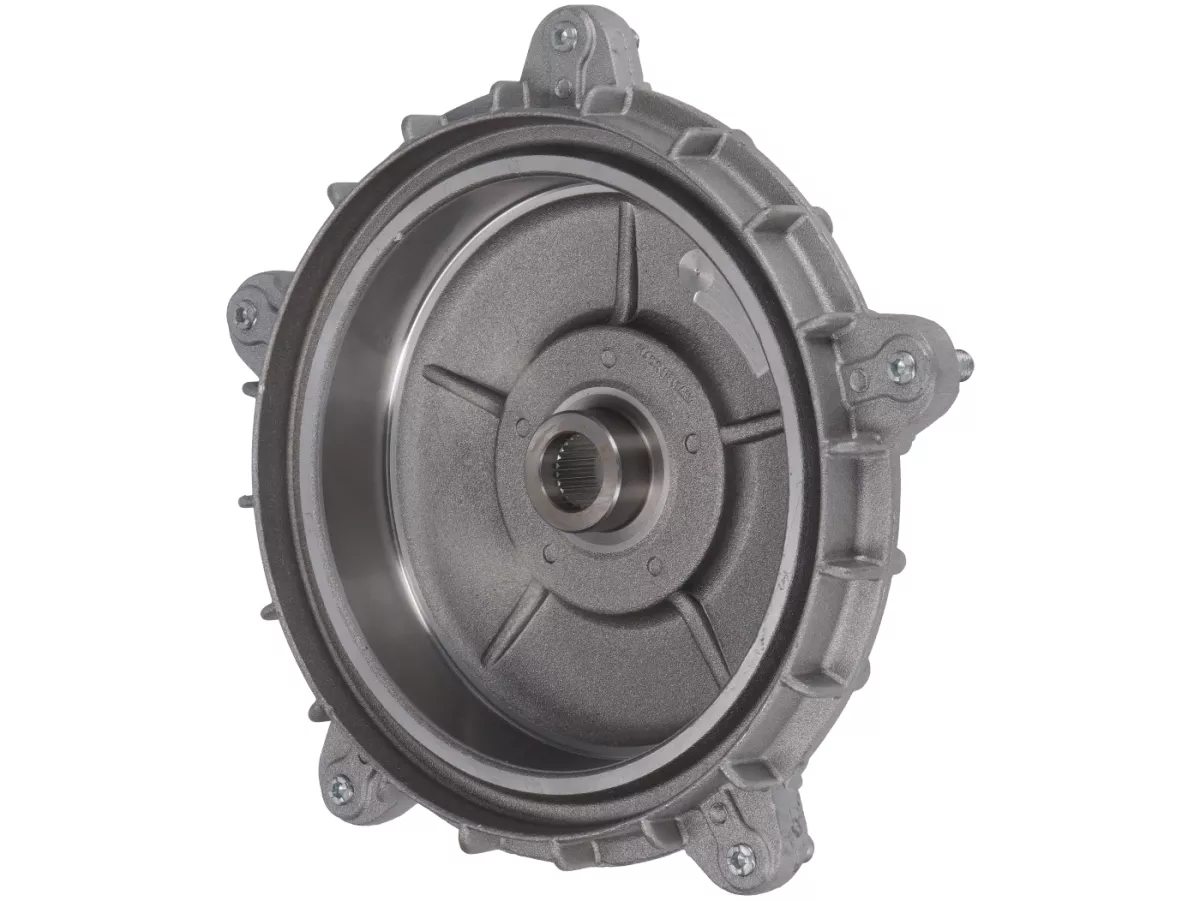
Quality: sturdy cast aluminum, clean braking surfaces, durable teeth
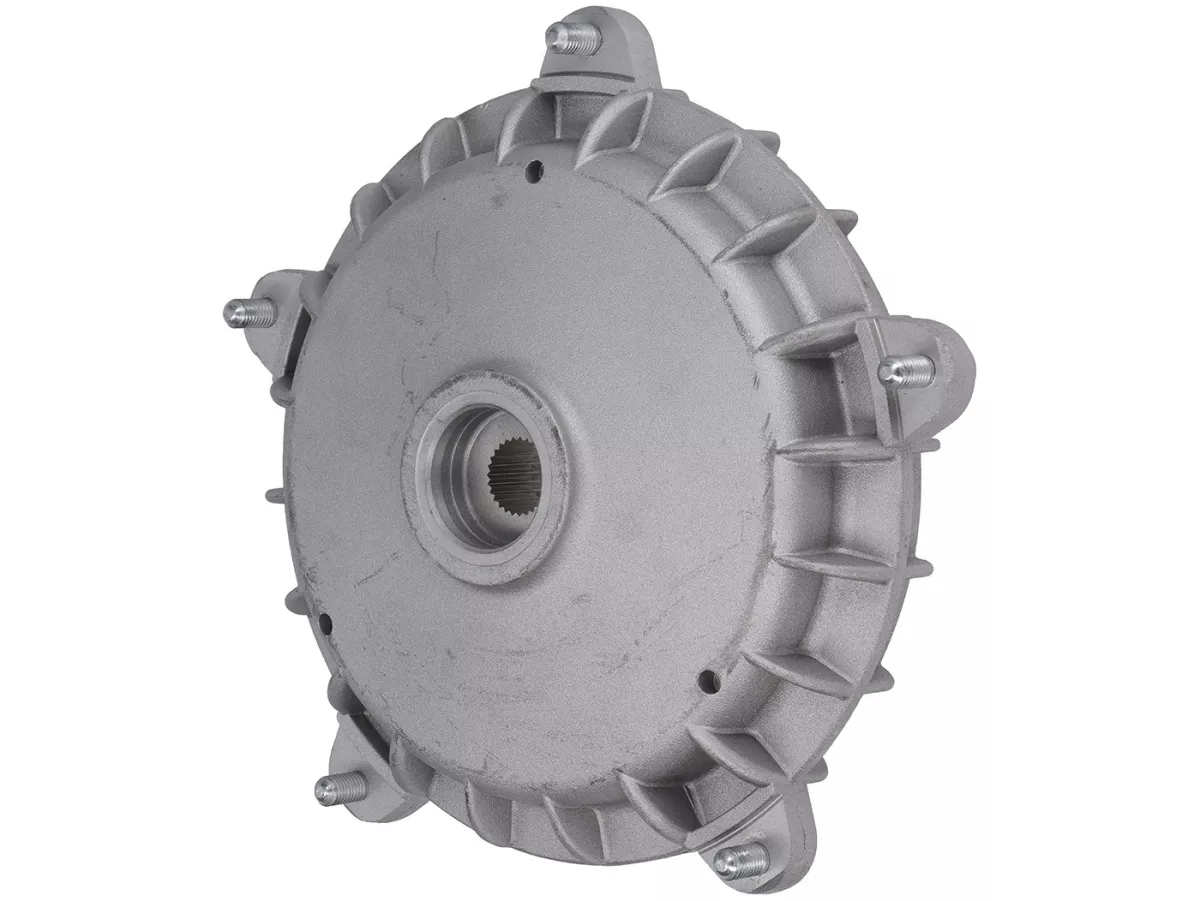
Stud bolts: Screwed in and countersunk, just like on the old original drums
Note: Logo milled out; minor cosmetic imperfections possible
Condition: minor cosmetic imperfections possible, no mechanical defects
119,00 €*
not available
Shipping weight 1,77 kg

Vespa Largeframe Brake Drum, Italian Factory Quality, No Logo

Sturdy, factory-quality rear brake drum for Vespa Largeframe models from 1962 onward, manufactured by the former producer of the original Piaggio drums.
This brake drum is designed for anyone looking for a technically sound, sturdy, and durable drum for their Vespa Largeframe. It comes from the former manufacturer of the excellent old original Piaggio brake drums and retains their key quality features: sturdy cast aluminum, clean contact surfaces for the brake shoes, robust teeth, and screw-in and caulked studs. The drum is delivered without a visible logo; the original emblem has been milled out, as is also common in the automotive sector for certain supplier parts. As a result, it is technically of factory quality but without a visible brand mark. There may be some cosmetic blemishes or imperfections, but there are no mechanical defects.
Made in Italy Factory-grade quality Sturdy cast aluminum Screwed-in stud bolts Countersunk studs No visible logo May show signs of wear
What sets this product apart
Brake drum from the former manufacturer of the excellent old original Piaggio brake drums
Sturdy cast aluminum with cleanly machined braking surfaces
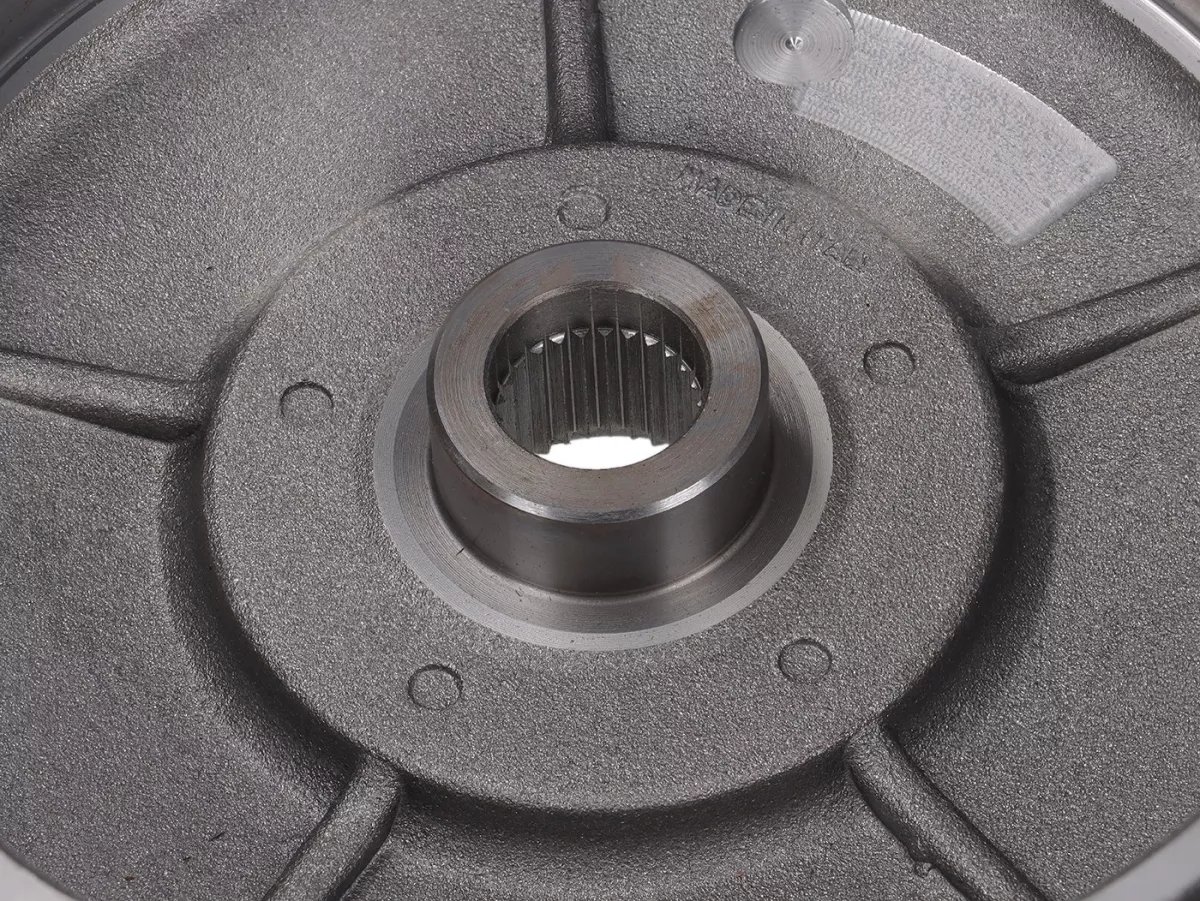
Robust splines for a reliable fit on the rear wheel axle
Stud bolts screwed in and countersunk, just like on the old original Piaggio drums
Factory quality without a visible logo, as the logo has been milled out
Cosmetic dirt or imperfections may be present, without affecting mechanical performance

Factory quality without a visible logo

What makes this brake drum special is its origin. It comes from the production line of the former manufacturer of the excellent old original Piaggio brake drums. The technical design meets what one would expect from a sturdy and precision-manufactured Largeframe brake drum: fine casting, robust teeth, cleanly machined surfaces for the brake shoes, and securely fastened studs.

However, the drum is delivered without a visible logo. The logo has been milled out. This is not unusual for supplier parts, even in the automotive industry. In practical terms, this means: technically, it is a very good brake drum, but visually, it lacks brand identification. Anyone expecting a visible embossed logo should take this into account before purchasing.

Cosmetic imperfections, but no mechanical defects

Note on the condition upon delivery

Some brake drums may show signs of surface soiling or minor visible imperfections. According to the available information, these are not mechanical defects. Brake surfaces, teeth, and studs are the critical functional components and should be inspected and cleaned before installation, as with any brake drum.

Sturdy design for Vespa Largeframe

With the introduction of the Vespa GL around 1962, a new type of brake drum was established for the rear wheel axle, which was used in a similar basic form across many Largeframe models. Exceptions include, among others, the GS160, SS180, and Cosa models. For classic Vespa Largeframe models, the brake drum is a safety-critical component: It transmits drive forces via its teeth, secures the wheel, and simultaneously serves as the friction surface for the rear brake.

Differences Among Large-Frame Brake Drums

Technical Development from 1962 Onward
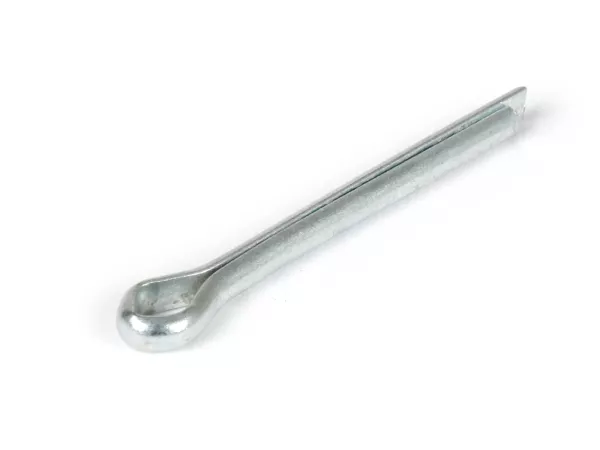
1962–1984: Brake drum with a Ø27 mm shaft seal ring running surface, crown nut secured with a split pin, tightening torque 75–90 Nm
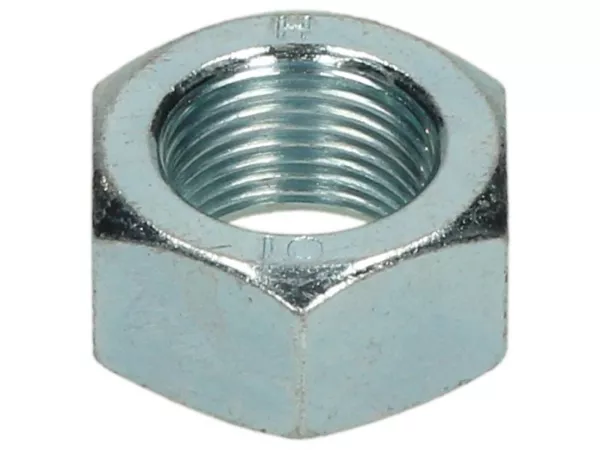
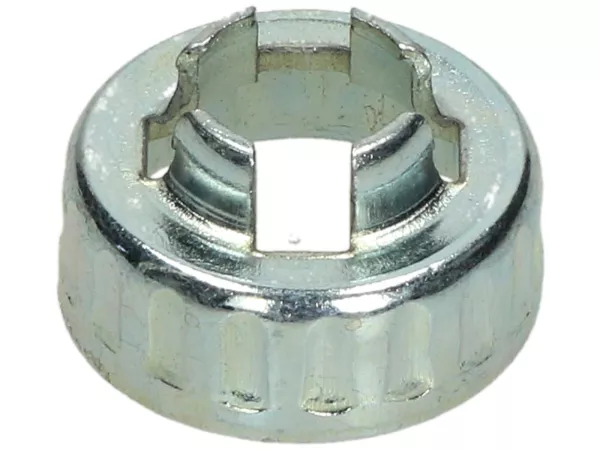
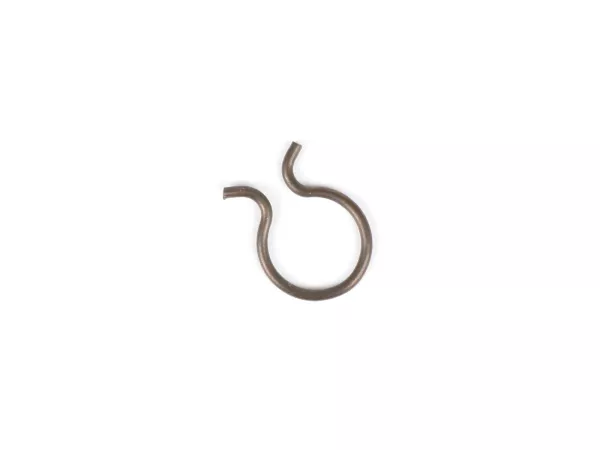
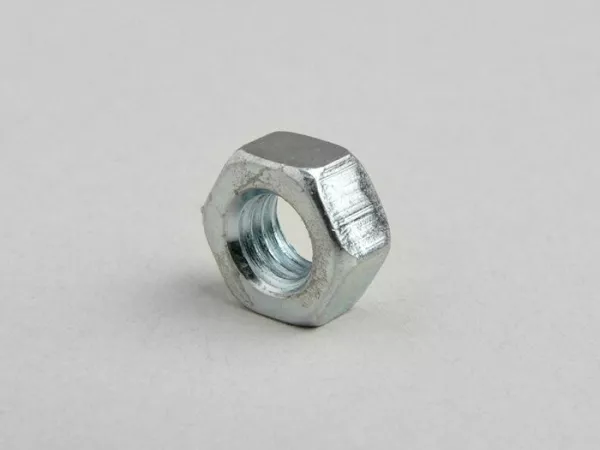
1984–1988: Brake drum with a Ø30 mm shaft seal ring running surface, hex nut secured with a cage and split pin, tightening torque 90–110 Nm
From 1988: Brake drum with a Ø31.5 mm unground running surface for felt ring, hex nut secured with cage and split pin, tightening torque 90–110 Nm

Why the flange diameter is important

The flange diameter increased over the course of development from Ø27 mm to Ø30 mm and later to Ø31.5 mm. The larger diameter ensures a more stable brake drum flange. Early drums with a Ø27 mm diameter, in particular, can expand if the tightening torque was too low or if the drum was already damaged. A typical sign of this is a rear wheel that continues to loosen despite the rear wheel nut being tightened correctly.

In this case, the brake drum should be replaced promptly. Continuing to drive may also damage the teeth on the main shaft. For stability reasons, it makes sense for many vehicle configurations to switch to a drum with a flange diameter of at least Ø30 mm, provided the rest of the periphery is adjusted accordingly.

Upgrade from old to new: Ø27 mm to Ø30 mm or Ø31.5 mm

Conversion Note

The more stable Lusso brake drum from model years 1984–1988 with a Ø30 mm shaft seal ring running surface can also be used on older models with a Ø27 mm drum, provided the appropriate shaft seal ring from the Lusso models with a Ø30 mm drum and the washer from models from 1984 onward are used.

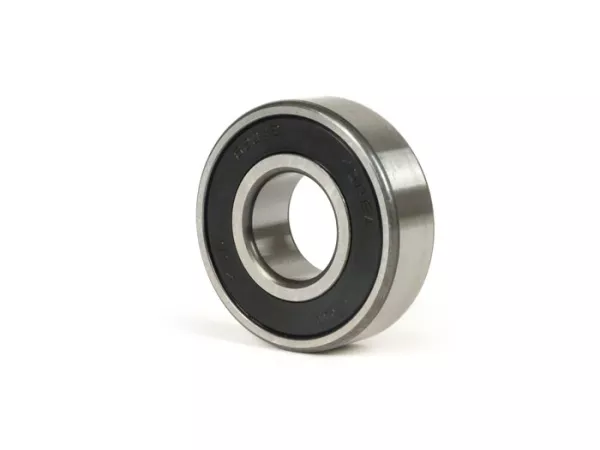
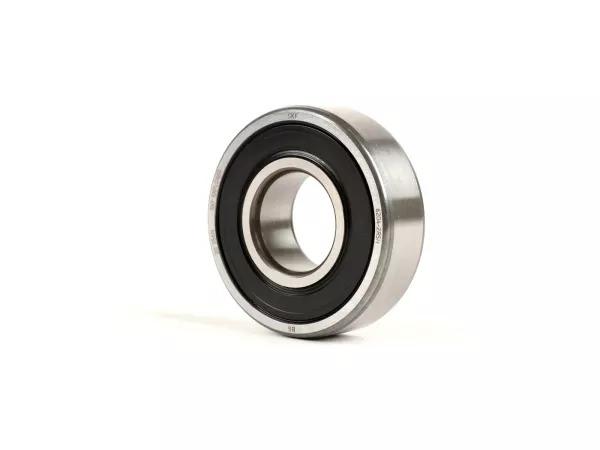
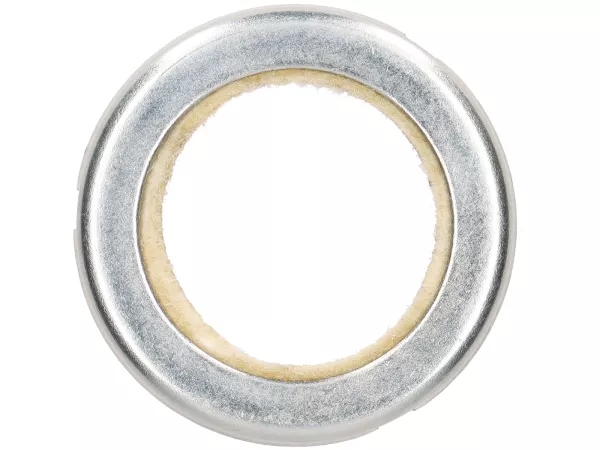
With a fully sealed rear wheel bearing (6204 2RS), a brake drum from models from 1988 onward with a Ø31.5 mm felt ring design can also be used without a separate shaft seal. In this case, the bearing should be checked regularly for leaks.

Downgrade from new to old: Ø31.5 mm to Ø30 mm

Important note regarding the sealing surface

The newer drum type from 1988 onward does not have a machined running surface for a conventional shaft seal. It is therefore not suitable for use with a shaft seal in this location. If you wish to convert to a conventional shaft seal solution, you can use the Lusso drum from the 1984–1988 model years. If the internal shaft seal is omitted, the drain hole in the housing must be sealed.

Installation and Safety Instructions

Carefully inspect the brake and rear wheel mounting
Clean the brake surfaces before installation and check for damage
Check the meshing of the brake drum and main shaft
Check that the stud bolts and wheel mounting are secure
Use the appropriate shaft seal, felt ring, or bearing assembly depending on the drum type
Install the rear wheel nut using the torque specified for the drum type
After the first ride, check the wheel mounting and for leaks again

Scope of Delivery

Scope of delivery according to the information provided
Rear brake drum, Italian factory quality without a visible logo
Stud bolts screwed in and caulked

Nuts, split pins, cages, shaft seals, felt rings, bearings, or other mounting accessories are only considered included if they are listed separately in the specific item’s contents.

Compatible Vehicle Models

Suitable for many Vespa Largeframe models with a horizontal cylinder from approximately 1962 onward, depending on the drum type, oil seal contact surface, main shaft, nut, retaining pin, and other components. Not compatible with GS160, SS180, and Cosa models if they use a different drum type.
Vespa PX, PE, and PX Lusso models, depending on the brake drum configuration. The key factors are the shaft seal ring race, flange diameter, main shaft, rear wheel nut, and locking system.
Vespa GL, Sprint, Sprint Veloce, Rally 180 / 200, GTR, and TS models, depending on the rear wheel shaft, drum type, and sealing design. When converting to newer drums, the shaft seal, washer, and retaining clip must be selected to ensure a proper fit.

Brief Technical Overview

TypeRear Brake Drum
Vehicle RangeVespa Largeframe models from ca. 1962 onward, depending on the version
OriginManufactured by the former producer of the original Piaggio brake drums
MaterialCast aluminum
SpecificationsFactory quality without a visible logo
LogoMilled out, therefore no visible brand marking
Braking surfacesCleanly machined surfaces for the brake shoes
Toothed surfaceSturdy and durable teeth
Stud boltsScrewed in and caulked
Visual conditionMay have dirt or cosmetic defects
Mechanical conditionNo mechanical defects according to available information
Installation NoteCheck the drum type, sealing design, main shaft, nut, lock, and tightening torque before installation

Conclusion

This brake drum is the right choice when technical quality is more important than a visible logo. It is manufactured by the former producer of the excellent old original Piaggio drums and features sturdy castings, clean braking surfaces, durable teeth, and threaded and countersunk studs. The milled-out logo area and any visible dirt are cosmetic issues, not mechanical defects.

FAQ

The logo has been milled out. This is common practice for certain supplier parts, even in the automotive sector. Technically, it is factory-grade quality, but without a visible brand mark.
No. The drums may have stains or cosmetic imperfections. According to the available information, these are not mechanical defects.
This design corresponds to the old original version and ensures a robust connection between the wheel studs and the brake drum.
That depends on the drum type. Early drums with crown nuts require 75–90 Nm. Later versions with hex nuts, a cage, and a split pin require 90–110 Nm.
Yes, this is possible depending on the model and surrounding components. When upgrading to Ø30 mm, the appropriate shaft seal and washer from the later models must be used. For Ø31.5 mm variants, the sealing design must be checked separately.

OEM numbers (for comparison purposes only)
Piaggio:
194433, 2427721, E.8451, E8451
Matching
Accessories
Matching
Customers also bought