Scooters 50–850 cc – Replacement Parts, Scooter Tuning, and Accessories
From the iconic 50cc two-stroke scooters of the 1990s and 2000s to the reliable 125cc everyday scooters and large maxi-scooters: At Scooter Center, you’ll find replacement parts, wear parts, and tuning components for many automatic scooters. Whether you’re restoring your first Peugeot Speedfight, tuning a Yamaha Aerox, or getting your Piaggio Beverly ready for your next trip—the exact model, engine variant, and a well-thought-out setup are key.
The scooters of our youth: Aerox, Speedfight, Runner, and more.
Anyone who grew up with scooter tuning in the ’90s and 2000s knows them: the Yamaha Aerox and MBK Nitro, the Peugeot Speedfight 1 and 2, the Aprilia SR 50, the Gilera Runner, and the Piaggio Zip, Zip SP, and NRG. These include the MBK Booster and Yamaha BW models, the Malaguti Phantom F12 and Firefox F15, the Beta Ark, the Benelli 491, and the distinctive Italjet Dragster. Later, models such as the CPI Oliver, Hussar, and Popcorn, as well as Keeway models, expanded the scene. Today, these scooters are not only ridden and repaired but also built up as custom and restoration projects.
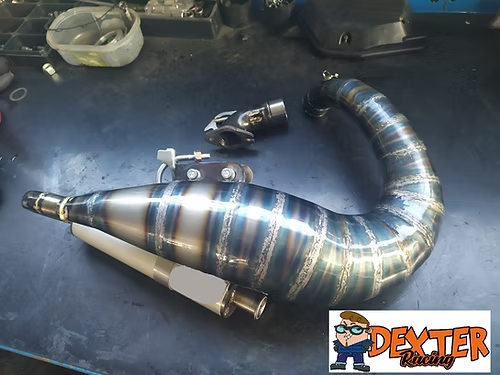
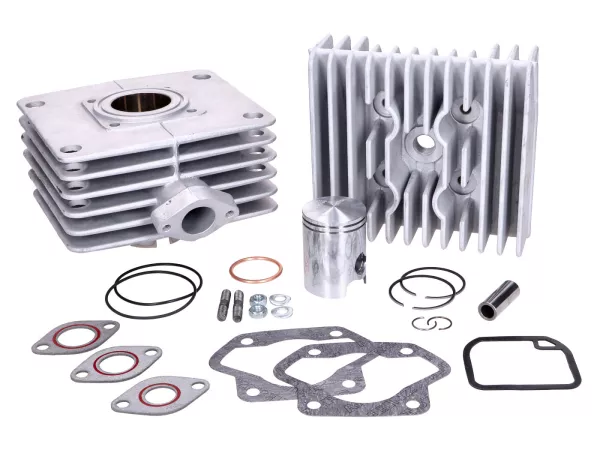
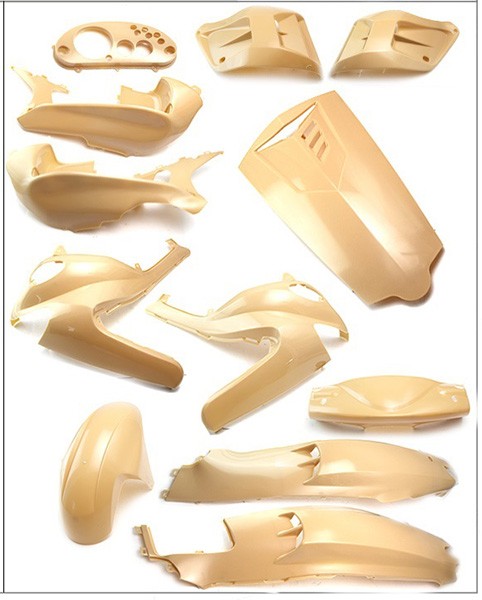
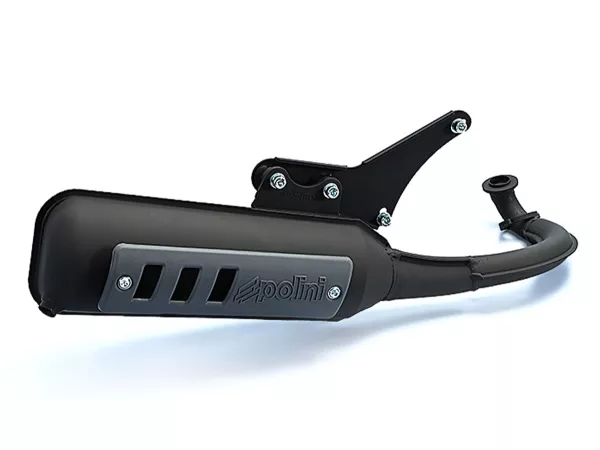
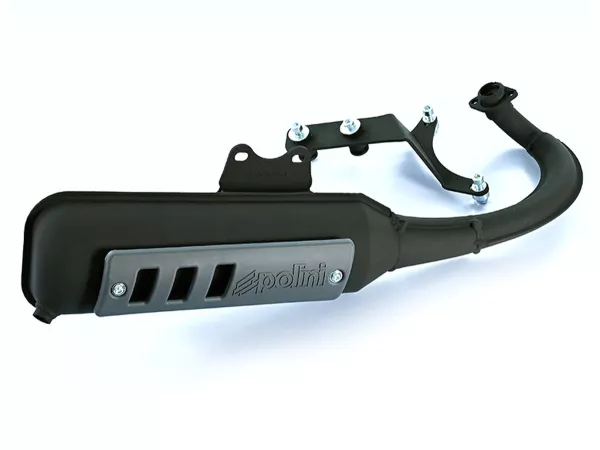
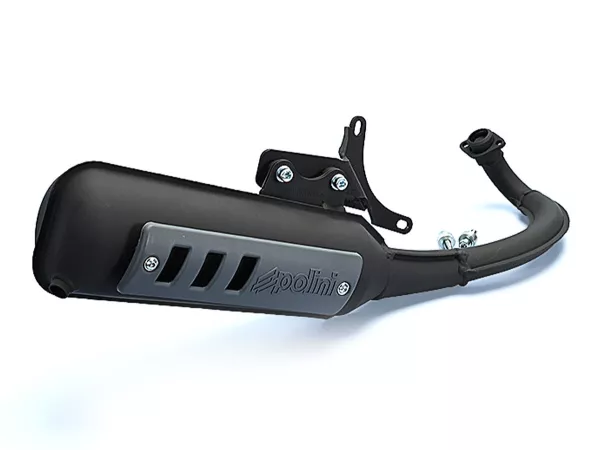
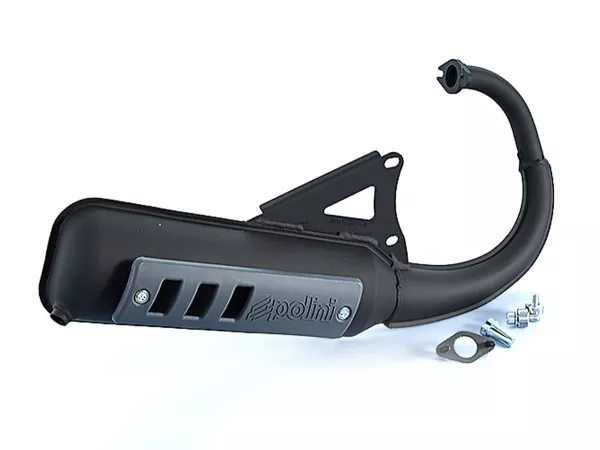
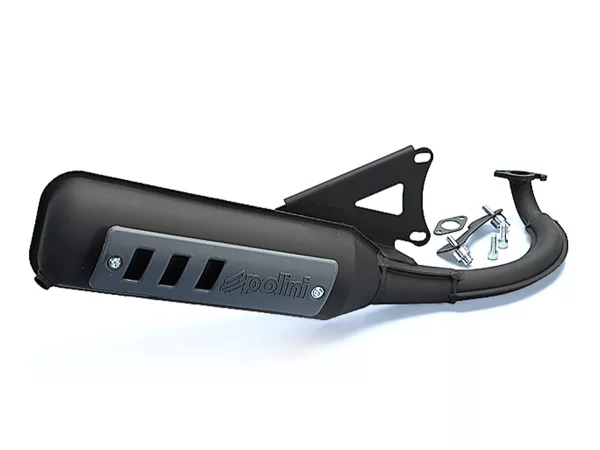
Back then, sports exhausts, variators, cylinders, carburetors, and a finely tuned powertrain were just as much a focus as downhill handlebars, fairing kits, clear-glass taillights, or custom paint jobs. Brands like Malossi, Polini, Yasuni, LeoVince, Stage6, and STR8 are closely associated with this world of customizing. Our Open Day blog post on automatic scooters
—
featuring the Aerox, Runner, Speedfight, and Zip—also shows that this scene is still very much alive.
Minarelli, Piaggio, and Peugeot: It All Comes Down to the Engine
Similar fairings often conceal different technologies. Early Aerox and Nitro two-stroke models, for example, use a horizontal, water-cooled Minarelli engine; whereas the MBK Booster and Yamaha BW models, on the other hand, feature a classic two-stroke engine that is vertical and air-cooled. Depending on the generation, the Aprilia SR 50 was available with Minarelli, Morini, or Piaggio technology, and some models even featured fuel injection. The Peugeot Speedfight 1 and 2 feature their own Peugeot two-stroke engines in air-cooled (AC) and water-cooled (LC) variants—not simply an Aerox engine.
For the Piaggio Zip, NRG, and Gilera Runner, the Piaggio engine family, cooling system, and year of manufacture are decisive factors. The Runner 50 and the powerful Runner FX/FXR 125/180 two-stroke models also differ from the later VX/VXR four-stroke models. For CPI, Keeway, and other imported scooters, the engine code and specific component dimensions must be checked: A Minarelli-style aftermarket engine does not guarantee full parts compatibility.
Variator, Exhaust, and Chassis—Proper Maintenance and Tuning
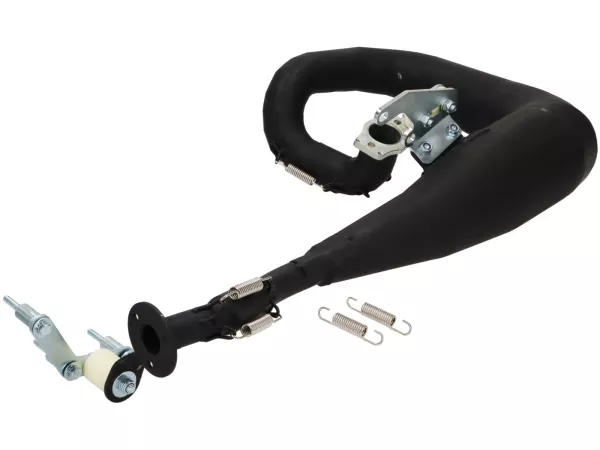
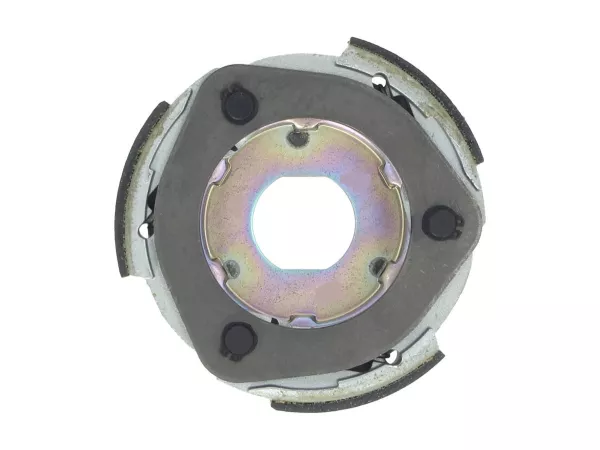
For many scooter owners, routine maintenance includes work on the variator, V-belt, and clutch, as well as the air filter, ignition, and fuel system. Anyone building a two-stroke scooter should view the cylinder, crankshaft, carburetor, exhaust system, and drivetrain as an integrated system. A modification to the exhaust may require a different carburetor and variator tuning; not every combination is technically feasible or approved for road use.
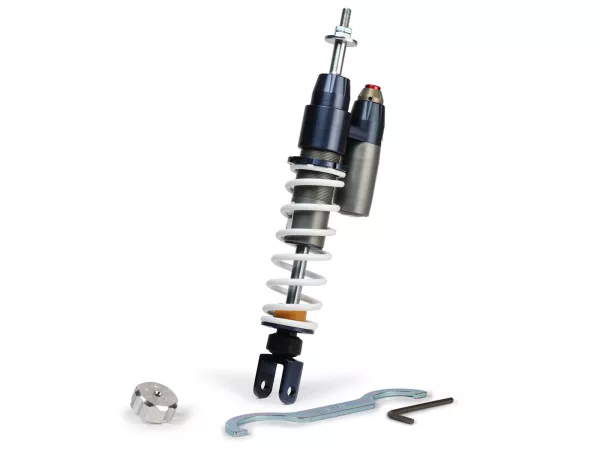
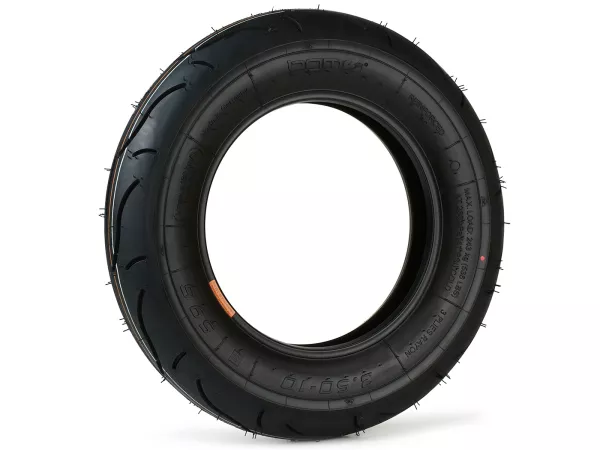
For safety and riding comfort, it’s also important to have the right brake components, shock absorbers, tires, and suitable engine and transmission oils. Especially with older “scene” scooters, a technically sound stock condition is the best foundation for further modifications.
125cc Scooters, Commuter Scooters, and Maxi-Scooters up to 850 cc
The world of scooters doesn’t end at 50 cc. Maintenance and the right choice of parts are also key for practical 125cc models, larger everyday scooters, and maxi-scooters—such as the Honda Forza, Yamaha XMAX and TMAX, Piaggio Beverly and MP3, Suzuki Burgman, Kymco, and SYM. For certain model lines, the displacement range extends to large-displacement models such as the Gilera GP 800 and Aprilia SRV 850. These vehicles differ significantly from classic 50cc models, particularly in terms of braking systems, belt drives, drivetrain designs, electronics, and tires.
Finding the Right Part for Your Model
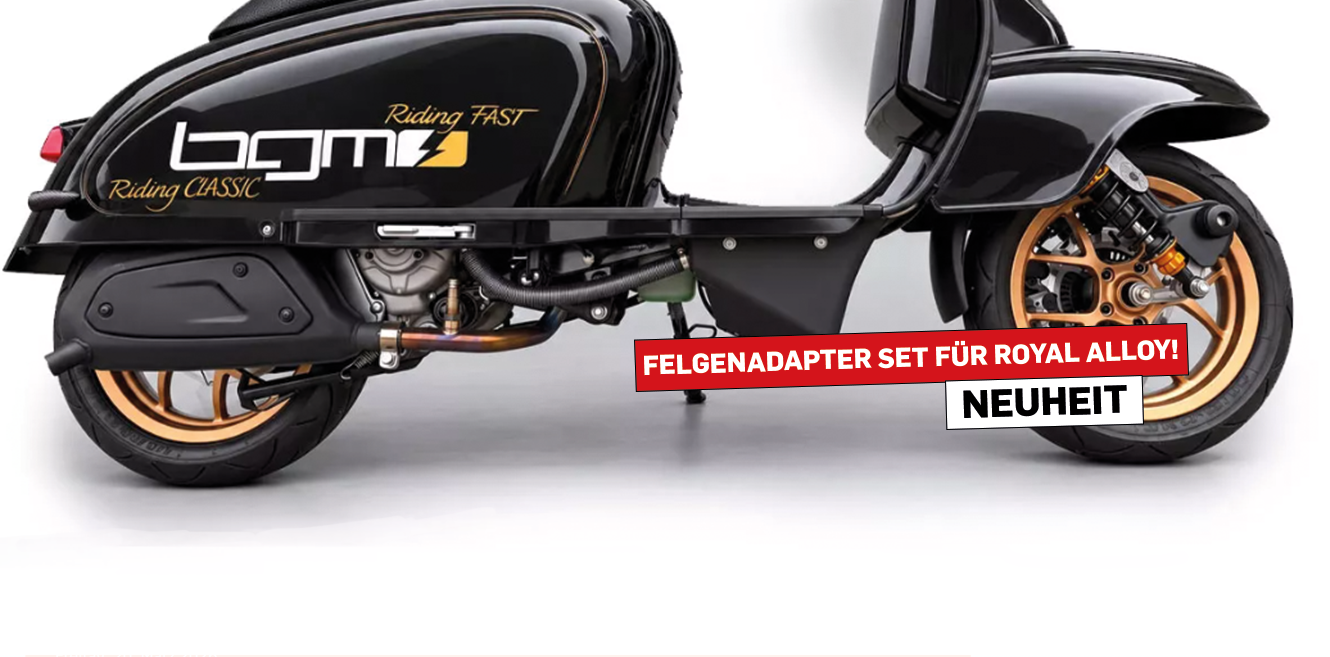
First, select the manufacturer, model, model year, and engine type in our vehicle selector. Then compare the exact vehicle classification and technical specifications in the product listing—such as AC or LC, two-stroke or four-stroke, carburetor or fuel injection, short or long engine block. This is just as important for a tuning scooter over 20 years old as it is for a current commuter scooter. For modern scooters with a deliberately classic design—such as the Vespa GTS, Royal Alloy, or modern Lambretta—you’ll find a separate section under “Modern Classics.”
Scooter Center – featuring REAL SCOOTERISTS since 1992.
Scooter Knowledge – Five Questions on Choosing the Right Parts
Which 50cc models shaped the scooter tuning scene of the ’90s and 2000s? Among the best-known models are the Yamaha Aerox/MBK Nitro, Peugeot Speedfight 1/2, Aprilia SR 50, Gilera Runner 50, Piaggio Zip/NRG, and MBK Booster/Yamaha BWs. The Malaguti F12/F15, Italjet Dragster, Beta Ark, and Benelli 491 are also of interest to tinkerers and custom enthusiasts. Which parts fit doesn’t depend solely on the model name.
Will an Aerox tuning part also fit a Speedfight or Aprilia SR 50? Not necessarily. The classic Aerox/Nitro uses a horizontal Minarelli two-stroke engine; the Speedfight 1/2 has its own Peugeot engines. The Aprilia SR 50 has used different engine platforms over the years. Therefore, check the engine code, cooling system (AC/LC), year of manufacture, and the explicitly specified vehicle compatibility.
What does a properly tuned two-stroke setup include? The cylinder and exhaust should be compatible with the carburetor, intake system, crankshaft, and variator. Roller weights and clutch tuning affect the engine’s RPM response. Incorrect carburetor jet settings can damage the engine. Also check the parts’ approval status: modifications that alter performance are not automatically permitted for use on public roads.
What are the differences between the Piaggio Zip, NRG, and Gilera Runner? The model series share some Piaggio engine technology, but not all components. For example, the Zip’s design varies depending on whether it’s an AC or LC model. A Runner 50 is not technically equivalent to the Runner FXR 180 two-stroke or later Runner four-stroke models. Always select parts—especially the cylinder, exhaust, belt, brakes, and suspension—based on the specific version.
What matters most for 125cc scooters and maxi-scooters? For the Yamaha XMAX/TMAX, Honda Forza, Piaggio Beverly/MP3, Suzuki Burgman, or larger Kymco and SYM scooters, maintenance, wear and tear, and vehicle-specific technology are the main considerations. Pay attention to brake and tire sizes, the drivetrain configuration, maintenance requirements, and the model generation. Engine displacement alone is not sufficient to ensure the correct selection of replacement parts.


 DE | €