Postage free from 99€ (DE)
High customer satisfaction


 DE | €
- Vespa Classic
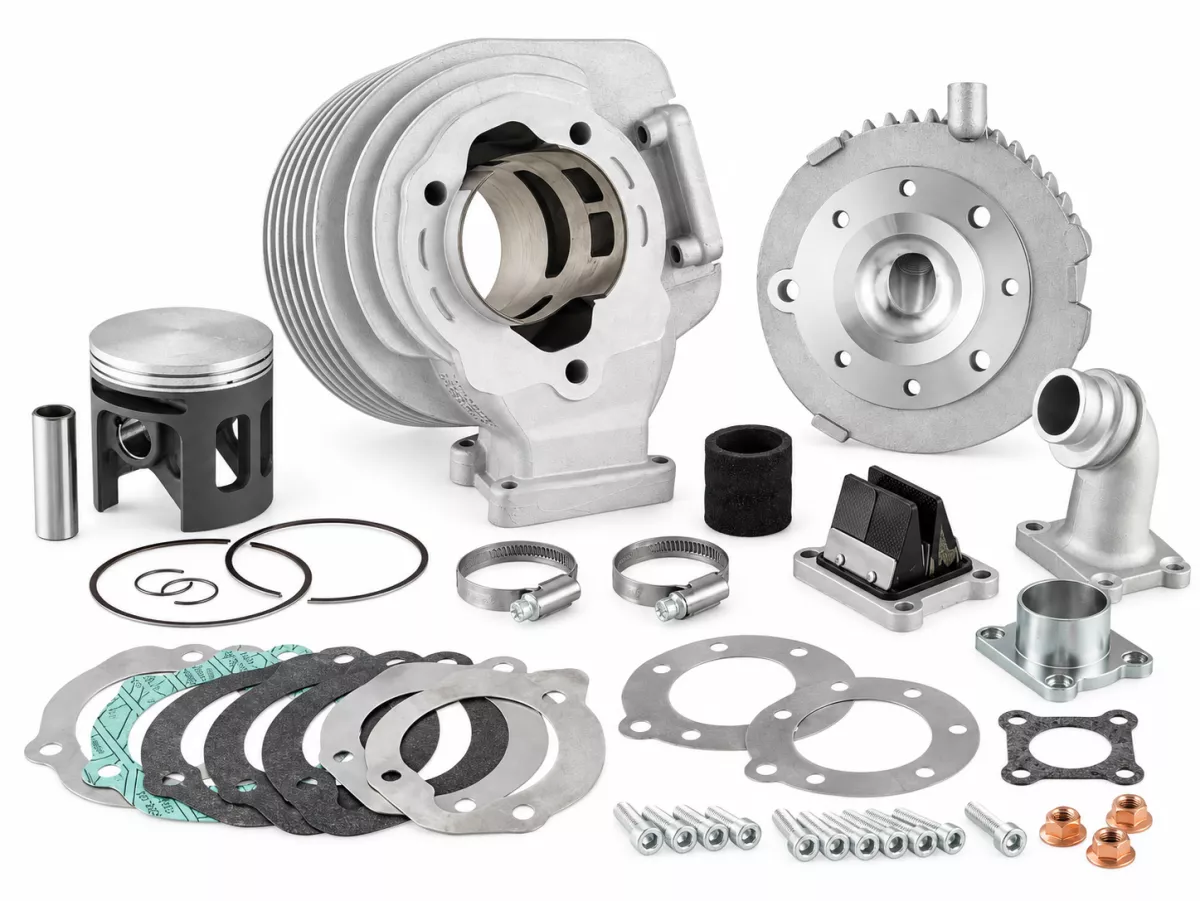
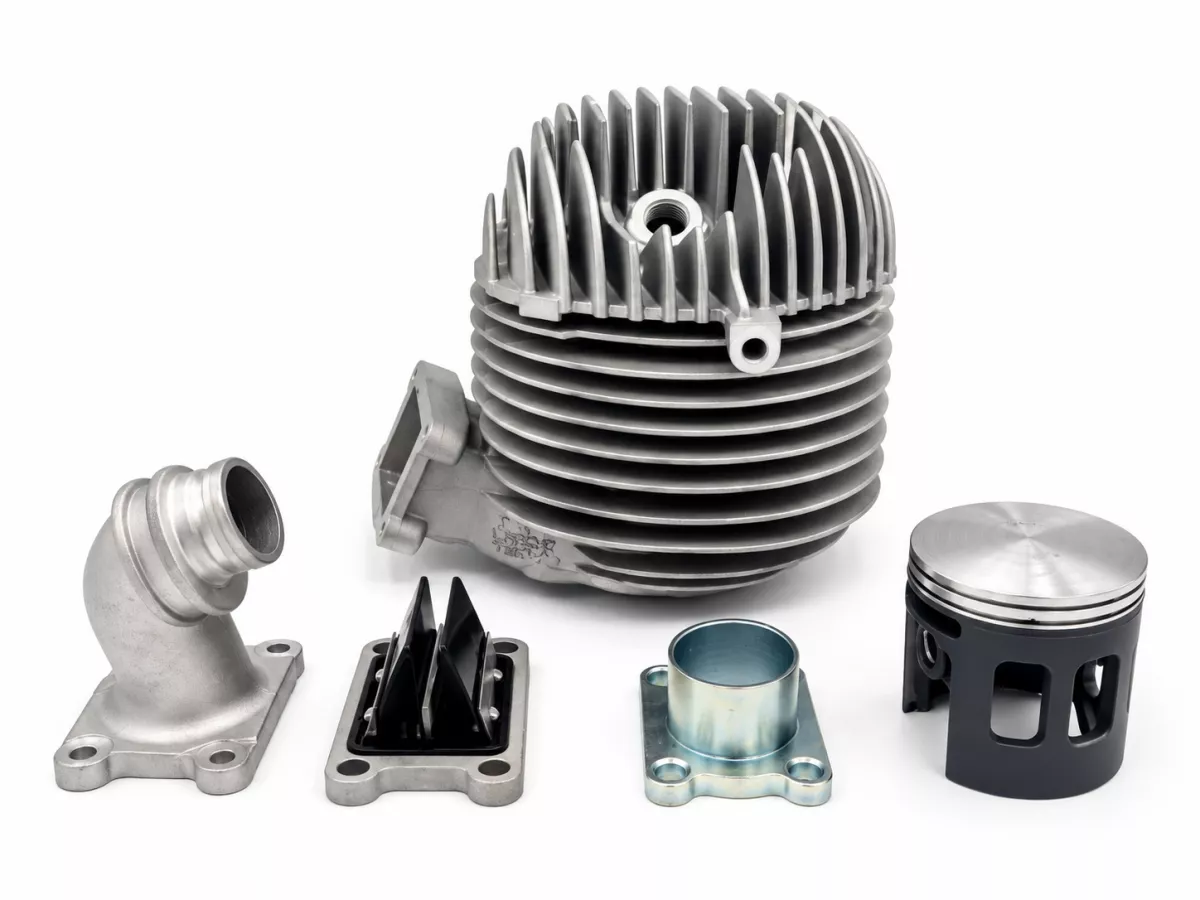
- Cylinder - LARCHOTEK Dolomiti 187 cc DIAFRAM INTAKE, Wideframe, Faro Basso, Ø=63 mm, stroke=60mm—Vespa 1953–1959, VM, VN, ACMA, VB1T, VGL1T, VL1T

Modern 187-cm³ aluminum cylinder with diaphragm intake for powerful Vespa Wideframe engines suitable for touring.
The LARCHOTEK Dolomiti 187 brings modern two-stroke technology to classic Vespa Wideframe engines. With a 63 mm bore, 60 mm stroke, and a diaphragm intake mounted directly on the cylinder, the result is an engine with significantly greater displacement, strong torque, and a broad usable RPM range.
However, the Dolomiti is not designed as a high-revving, peak-performance cylinder. Rather, its design aims to create a powerful and flexible street and touring engine that accelerates early, delivers smooth power, and can make good use of even longer gear ratios. It is precisely these characteristics that are particularly well-suited to the comparatively heavy and long-geared Wideframe models.
The name Dolomiti thus fits the concept very well: a motorcycle for winding country roads, longer tours, and mountainous terrain, where it’s not just maximum peak power that counts, but above all a strong and controllable torque curve.
187 ccm Ø63 mm 60 mm stroke 115 mm connecting rod Diaphragm intake Aluminum / Nikasil Wideframe Touring Open Day-tested Housing modification required
Theory, technical data, and dyno curves are important. But a cylinder becomes even more interesting when you can actually experience the finished engine. Ahron Larcher was a guest at our Scooter Center Open Day and gave an impressive demonstration of what his Dolomiti concept can achieve in a classic wide-frame bike.
It wasn’t just the sheer peak power that was particularly impressive. Much more important for a street engine is the way this power is delivered: The engine builds up strong torque already in the mid-range, reaches its maximum torque at just over 6,200 rpm, and then develops its maximum power up to just under 6,900 rpm.
This is exactly in line with the idea behind the Dolomiti 187: plenty of usable power instead of a narrow power peak. This makes the engine particularly pleasant to ride on winding roads, in the mountains, and with longer gear ratios.
| Test Run | Wheel Power | RPM Power | Torque | RPM Torque |
|---|---|---|---|---|
| Measurement 1 | 24.5 PS | 6,723 rpm | 26.4 Nm | 6,221 rpm |
| Measurement 2 | 25.3 PS | 6,808 rpm | 27.1 Nm | 6,230 rpm |
| Measurement 3 | 25.5 PS | 6,861 rpm | 27.2 Nm | 6,282 rpm |
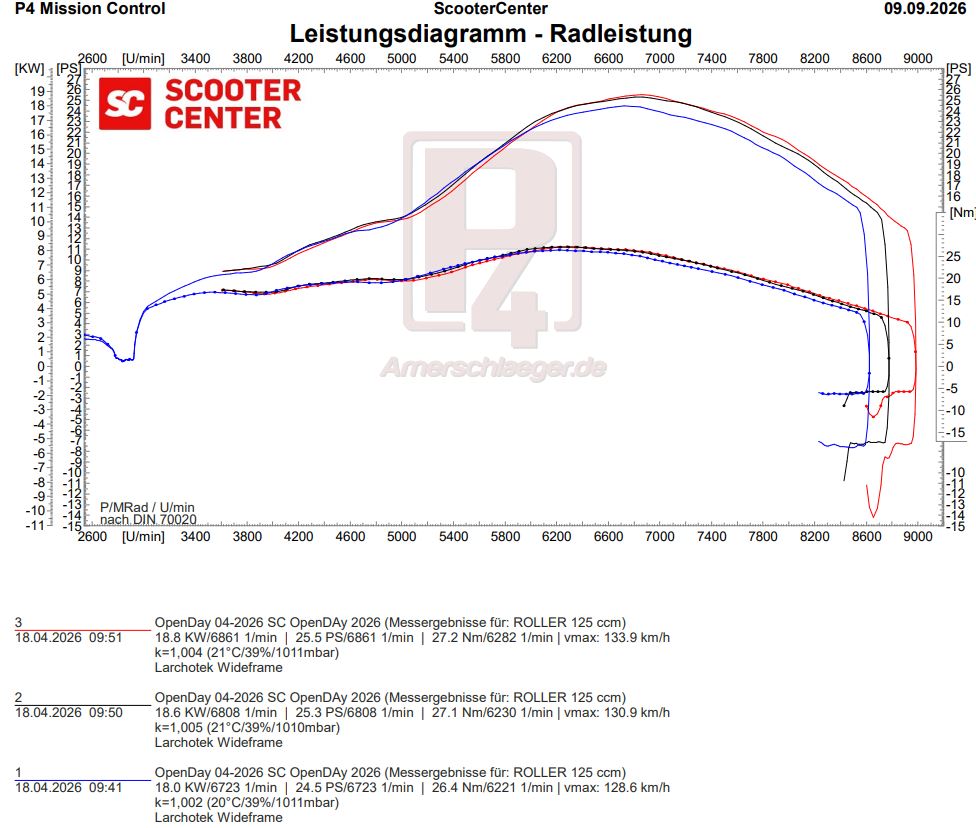
Three test runs conducted immediately one after another, with up to 25.5 PS at the wheels at 6,861 rpm and 27.2 Nm at 6,282 rpm.
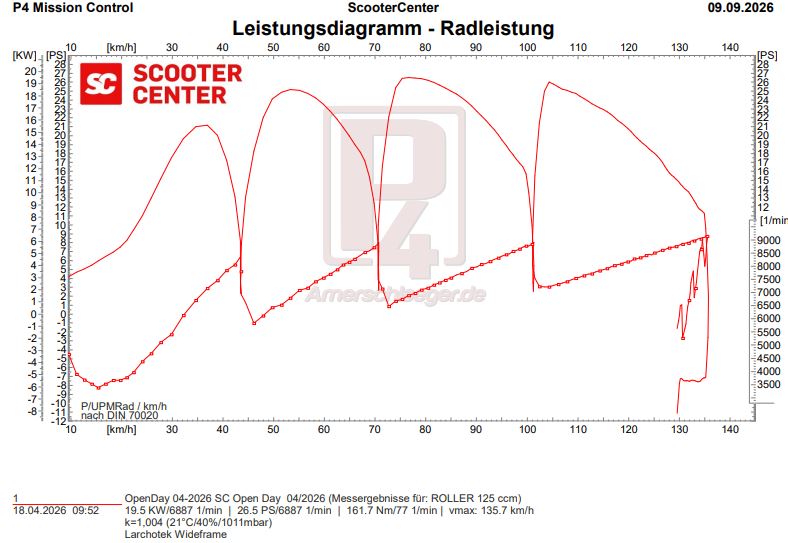
The complete dynamometer run demonstrates the powerful acceleration through the four-speed transmission. The maximum speed of 135.7 km/h displayed here is the speed measured on the roller dynamometer in fourth gear. Ahron’s scooter is deliberately—and in keeping with its name and concept—significantly shorter and stockier than its power output would allow. As a result, the engine whizzes up Alpine passes with impressive performance.
In the video, you can see Ahron with his Wideframe here on site. The embedded clip starts right at the relevant part and runs from 0:40 to 2:13 minutes.
Ahron Larcher with his Dolomiti 187 Wideframe at the Scooter Center Open Day.
The test bench values listed were measured on a specific, fully assembled engine and should not be interpreted as guaranteed performance specifications for the cylinder kit. The results depend, among other factors, on the crankshaft, compression ratio, carburetor, exhaust, ignition, gear ratio, and tuning.
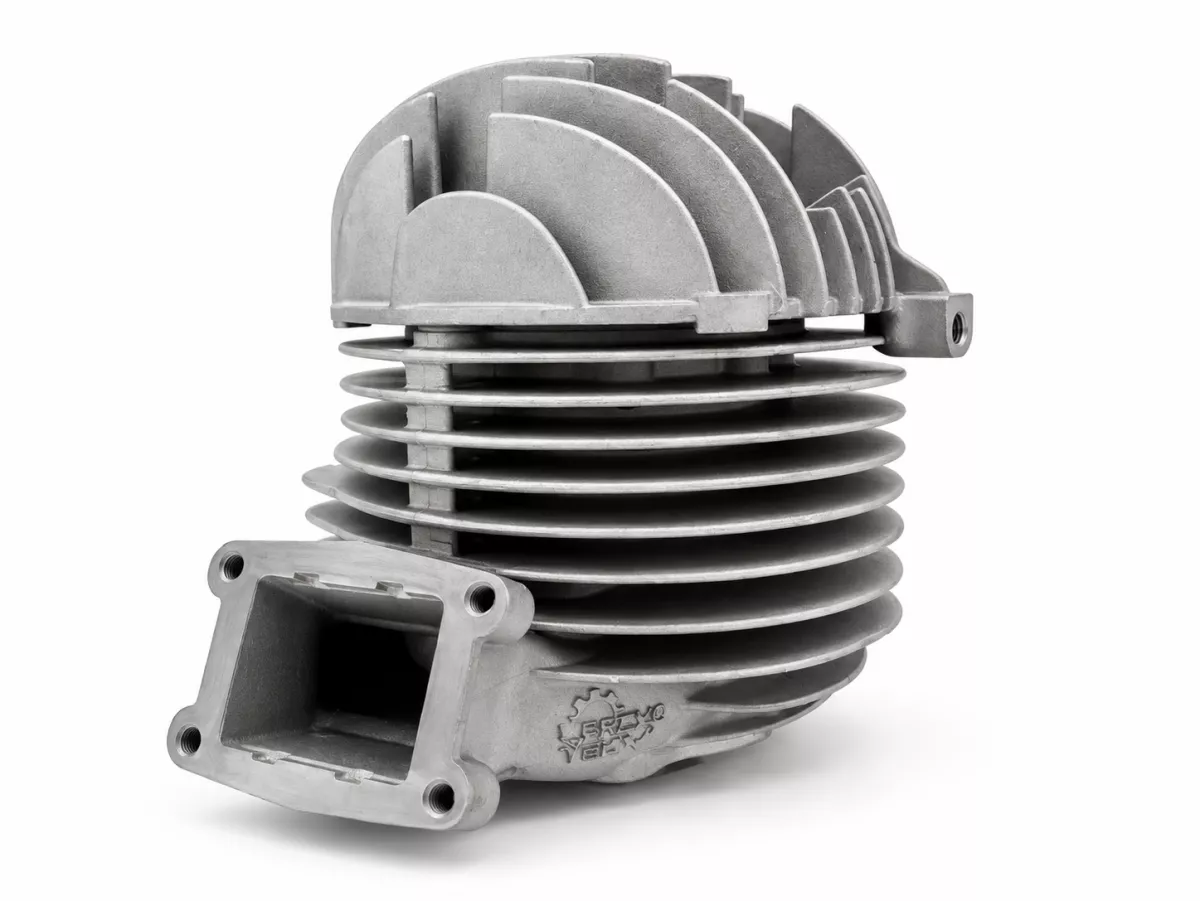
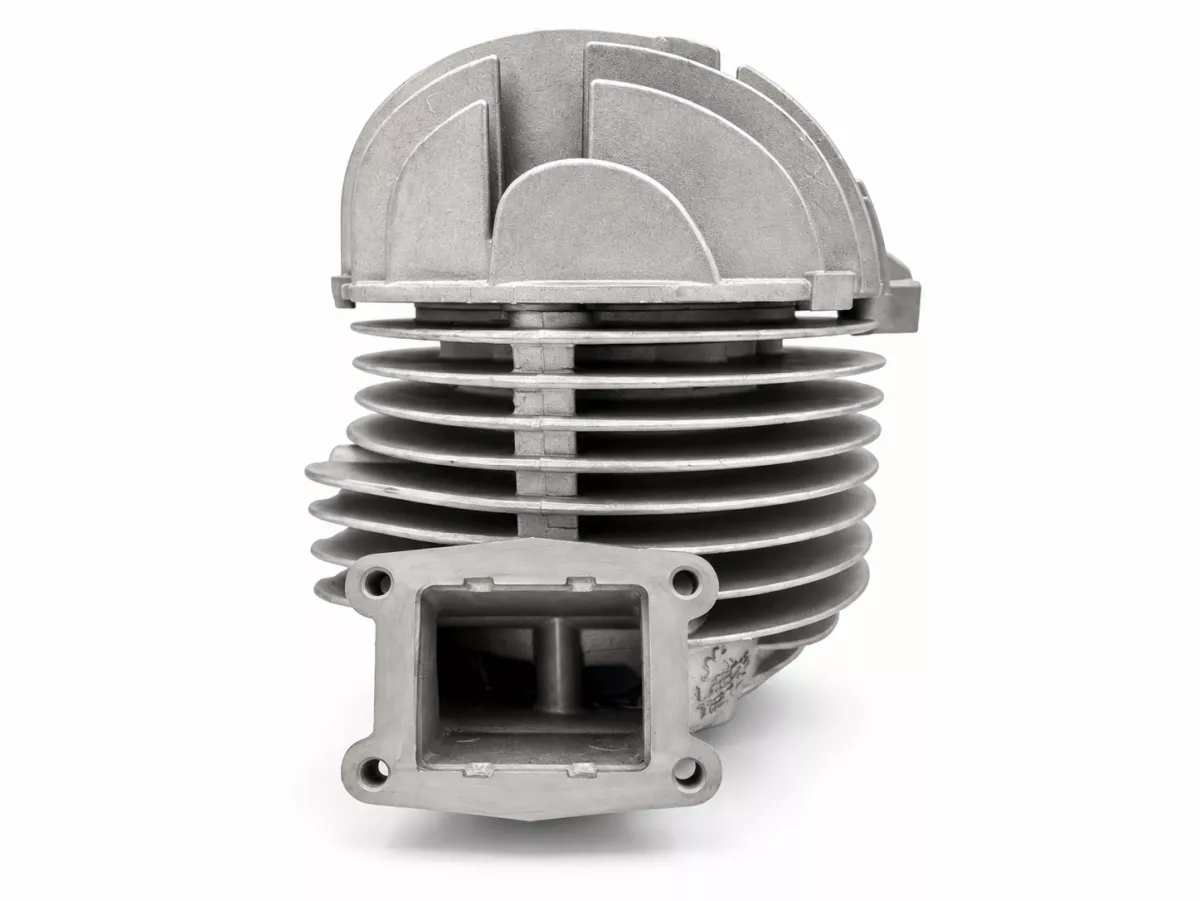
One of the key design differences from classic wideframe tuning cylinders is the diaphragm intake located directly on the cylinder. As a result, the fresh air supply no longer depends solely on the original intake geometry of the old engine case.
The diaphragm opens and closes in response to the pressure conditions in the crankcase. This allows fresh air to flow in when the engine needs it, while reducing unwanted backflow toward the carburetor.
Especially in a large-displacement street engine, this has a positive effect on throttle response, airflow, and the usable RPM range. The engine does not need to be revved up to high RPMs first; instead, it can accelerate powerfully even from the mid-range.
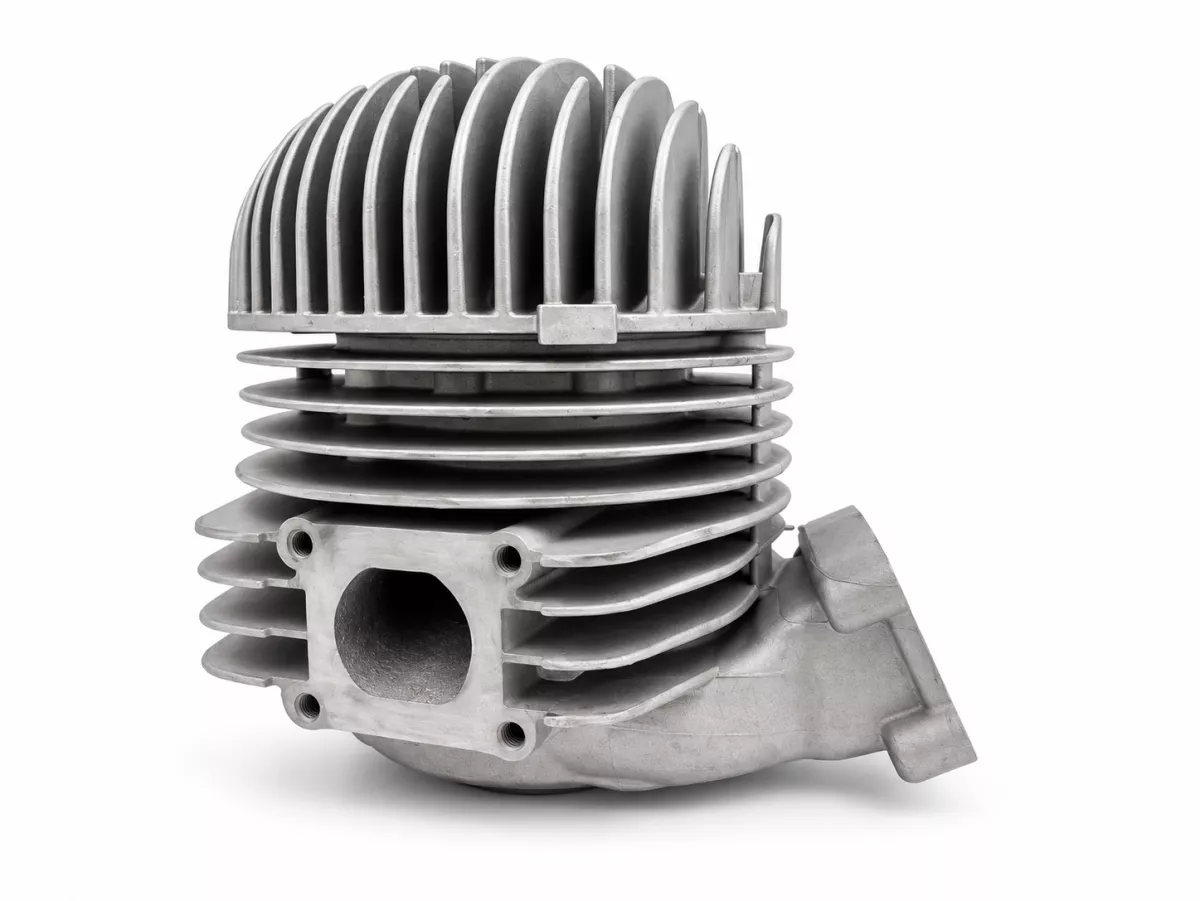
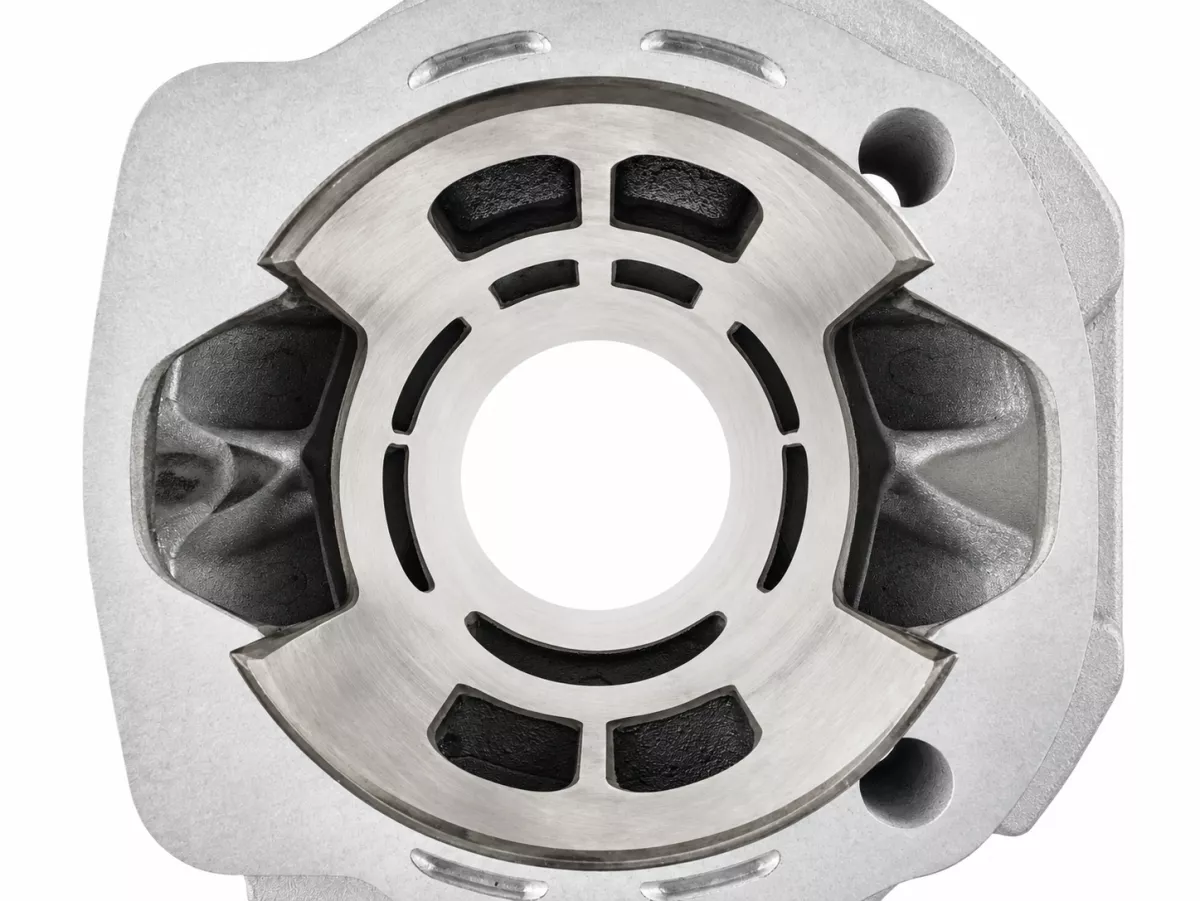
The Dolomiti features an aluminum cylinder with a Nikasil coating. Aluminum quickly dissipates the heat generated during combustion toward the cooling fins, providing an excellent foundation for a thermally robust air-cooled engine.
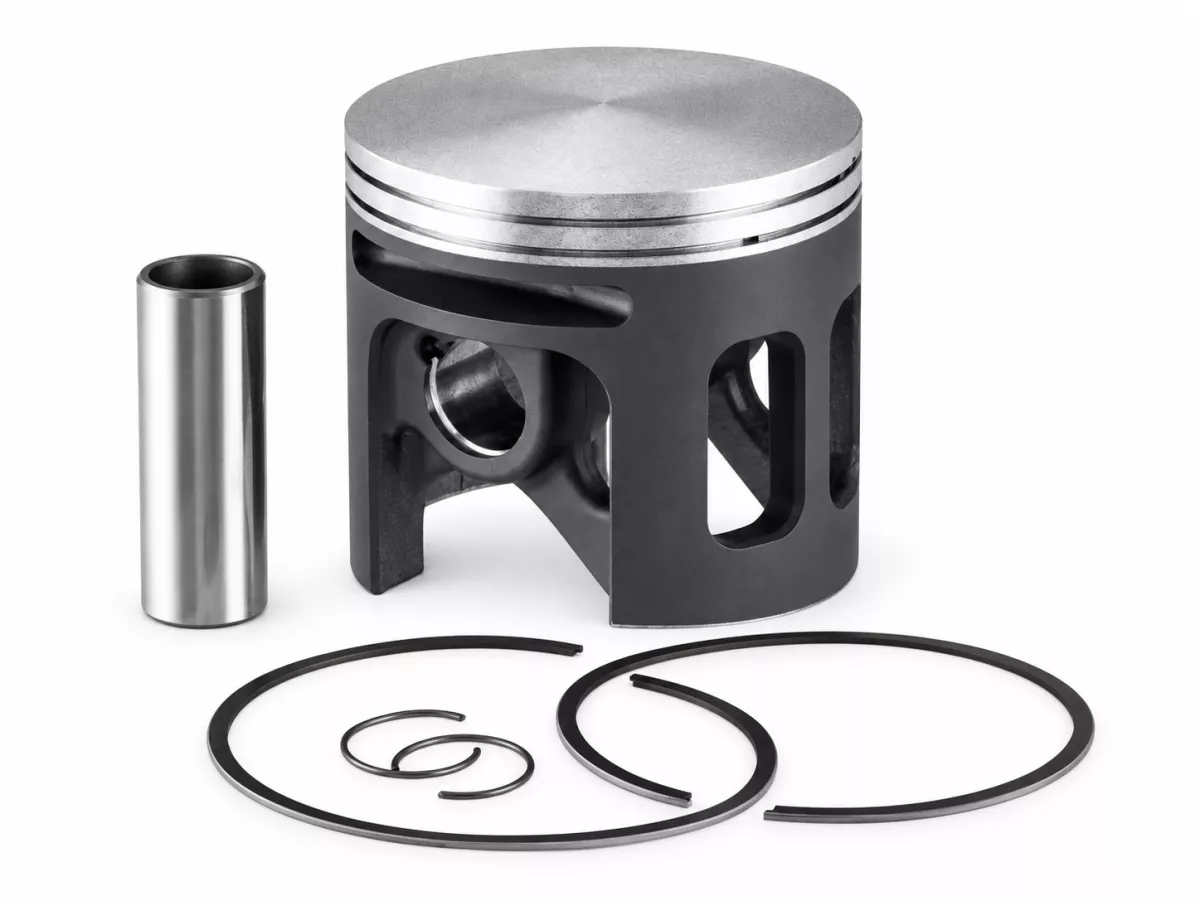
The Nikasil coating forms a hard, wear-resistant surface for the piston and piston rings. This principle has been used for many years in modern, high-performance two-stroke cylinders.
Controlled heat management is particularly important in a wide-frame engine, where displacement and power are significantly increased compared to the stock configuration.
With a bore of 63 mm and a crankshaft stroke of 60 mm, the Dolomiti achieves a displacement of approximately 187 cm³.
The combination of a large bore and long stroke supports the desired torque characteristics. The engine gains significantly in displacement and power without having to rely on an extremely high operating speed.
| Feature | Dolomiti 187 | Effect on Engine Character |
|---|---|---|
| Bore | Ø63 mm | Large bore and 187 cm³ total displacement |
| Stroke | 60 mm | Supports a strong torque curve |
| Connecting rod length | 115 mm | Part of the intended cylinder geometry |
| Flow time | approx. 120° | Moderate layout for a versatile engine |
| Exhaust timing | approx. 175° | Sporty, without shifting power exclusively to high RPMs |
The basic design features approximately 120° intake timing and 175° exhaust timing. This clearly places the Dolomiti in the category of a performance-oriented street and touring engine.
The valve timing offers sufficient potential for a significant increase in power without requiring an extremely high early exhaust valve opening or very high operating RPMs. The results of the Open Day test underscore this design: Peak torque is reached as early as around 6,200 rpm, with peak power following at about 6,800 rpm.
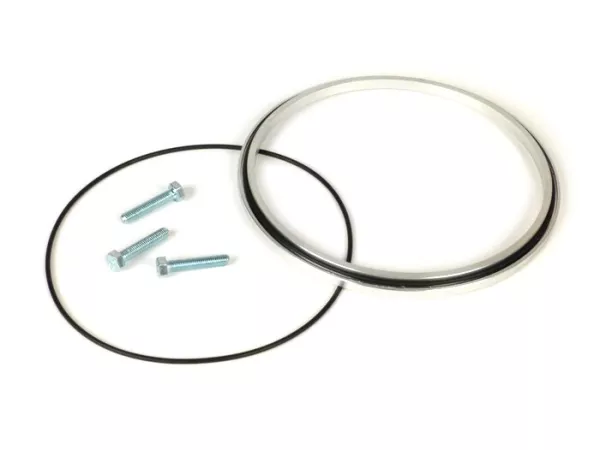
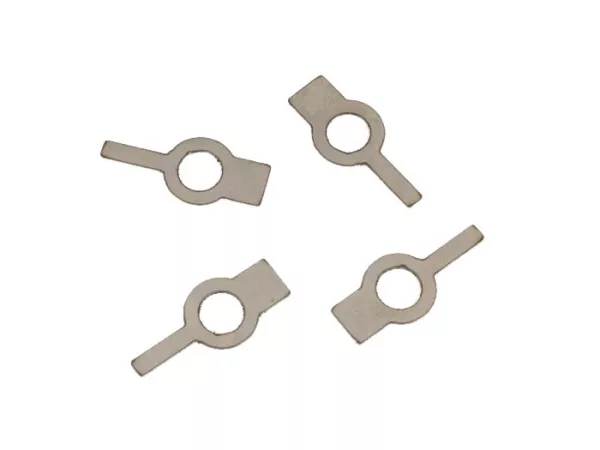
Using the included gaskets, the cylinder position can be adjusted, allowing for fine-tuning of the actual valve timing of the assembled engine.
The correct cylinder head is secured to the cylinder with eight bolts. This multiple-bolt configuration ensures even contact between the head and the sealing surface.
In a high-performance air-cooled engine, a controlled and as uniform as possible head seal is particularly important, since the cylinder and head expand significantly as the operating temperature rises.
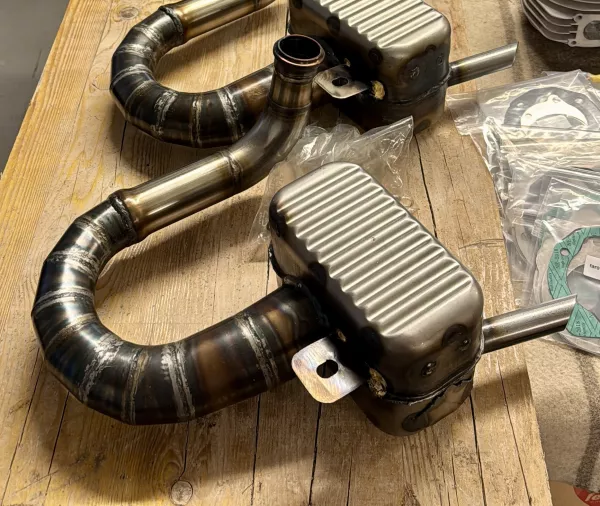
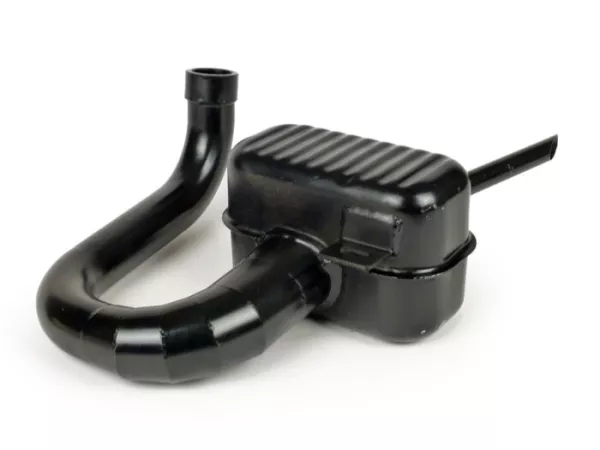
The exhaust connection is provided by a separate exhaust manifold secured with four M6 bolts. This makes the connection an independent component and allows it to be seamlessly integrated with the exhaust system designed for the cylinder.
The exhaust system used has a major influence on the engine’s performance characteristics. For a Dolomiti touring engine, a system is recommended that supports low- and mid-range torque and does not unnecessarily shift the usable power band too far into high RPMs.
Despite its design, which is fundamentally compatible with wide-frame setups, the Dolomiti is not a completely unmodified, plug-and-play cylinder. The cylinder mounting area in the engine case requires additional clearance for the larger cylinder base.
The machining dimensions specified are a cylinder mounting bore of approximately Ø66 mm with a depth of about 10 mm. Compared to many existing wide-frame casings, this represents only a relatively small amount of material removal; nevertheless, the machining must be performed precisely and concentrically.
The Dolomiti 187 significantly increases displacement, torque, and power compared to a stock Wideframe engine. Accordingly, the cylinder should not be considered in isolation.
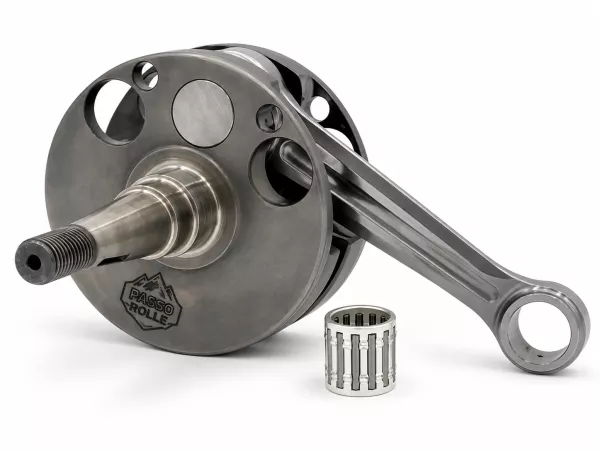
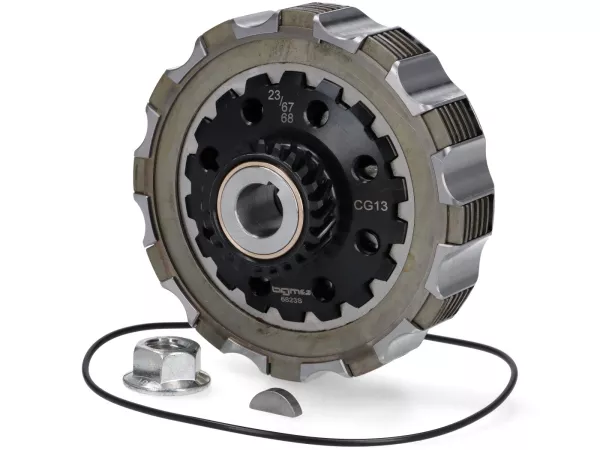
Especially for engine cases that are more than 65 years old, it makes sense to combine the conversion with a complete engine overhaul. Bearings, shaft seals, crankshaft, clutch, ignition, and transmission should be upgraded to match the new performance level.
The Dolomiti 187 is designed for classic 2-channel Vespa Wideframe engines. Due to the age of the vehicles and possible modifications, the actual engine casing installed should always be checked before ordering.
| Series | Frame prefix | Time Period | Note |
|---|---|---|---|
| Vespa 125 Wideframe | VM | approx. 1953–1954 | Check the 2-channel motor and housing design |
| Vespa 125 Wideframe | VN | approx. 1954–1957 | Check the 2-channel engine and housing design |
| Vespa 150 Wideframe | VL1T | from approx. 1954 | Measure the engine housing before machining |
| Vespa 150 | VB1T | ca. 1957–1958 | Engine housing measured before machining |
| Vespa Wideframe | VGL1T | 1950s | Inspect the engine housing and existing components |
The cylinder is also designed for compatible ACMA Wideframe engines. Since the French licensed models may differ in detail from the Italian Piaggio engines depending on the year of manufacture and version, the actual engine base should be checked before installation.
The vehicle specification describes the intended engine base. In the case of historic vehicles, different engine cases or previously modified components may have been installed over the decades. Before machining, the engine type, stud pattern, and cylinder mount should therefore always be checked directly on the existing engine.
| Manufacturer | LARCHOTEK |
|---|---|
| Series | Dolomiti |
| Type | Aluminum tuning cylinder with diaphragm intake |
| Displacement | 187 cm³ |
| Bore | Ø63 mm |
| Crankpin stroke | 60 mm |
| Connecting rod length | 115 mm |
| Cylinder material | Aluminum |
| Bearing surface | Nikasil coating |
| Intake control | Diaphragm |
| Intake manifold | Ø24 mm |
| Flow-through time | approx. 120° |
| Exhaust time | approx. 175° |
| Valve timing adjustment | Via different bottom and top gaskets |
| Cylinder mounting | 3-stud design |
| Cylinder head | Separate head, secured with 8 bolts |
| Exhaust manifold | Separately bolted, 4 × M6 |
| Casing Machining | Required; cylinder mounting to approx. Ø66 mm / approx. 10 mm depth |
| Measured wheel power | Up to 25.5 PS at 6,861 rpm in the tested Open Day setup |
| Measured torque | Up to 27.2 Nm at 6,282 rpm in the tested Open Day setup |
| Application | Road, touring, mountain routes, and performance-oriented wide-frame builds |
Power and torque figures refer to the sample engine we measured and do not represent a guaranteed performance of the cylinder kit.
The LARCHOTEK Dolomiti 187 takes the classic Vespa Wideframe into a completely different performance class from a technical standpoint, without necessarily turning it into a high-revving race engine. 187 cm³, a 60 mm stroke, and the diaphragm intake form the foundation for an engine that delivers strong torque early on and provides power across a broad RPM range.
Our measurements from the Scooter Center Open Day clearly demonstrate what this means: around 27 Nm as early as 6,200 rpm and up to 25.5 PS at the wheel at just under 6,900 rpm. Added to this is the excellent reproducibility of the three consecutive dynamometer runs.
This is precisely what makes the concept so appealing: modern two-stroke technology with a touring character that matches the Wideframe. With careful engine tuning, the right gear ratio, and a broadly tuned exhaust system, you can build a classic that’s both fast and a pleasure to ride.