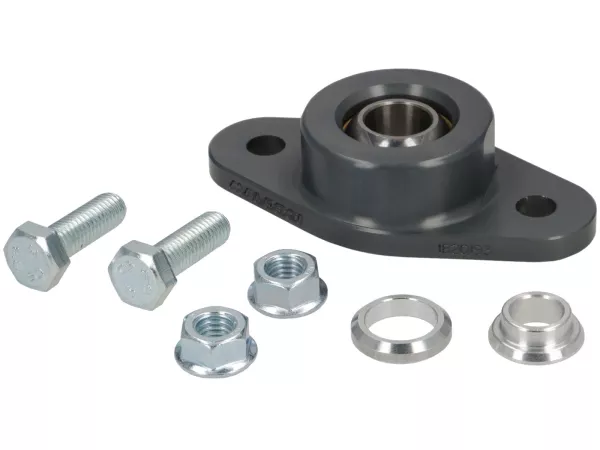
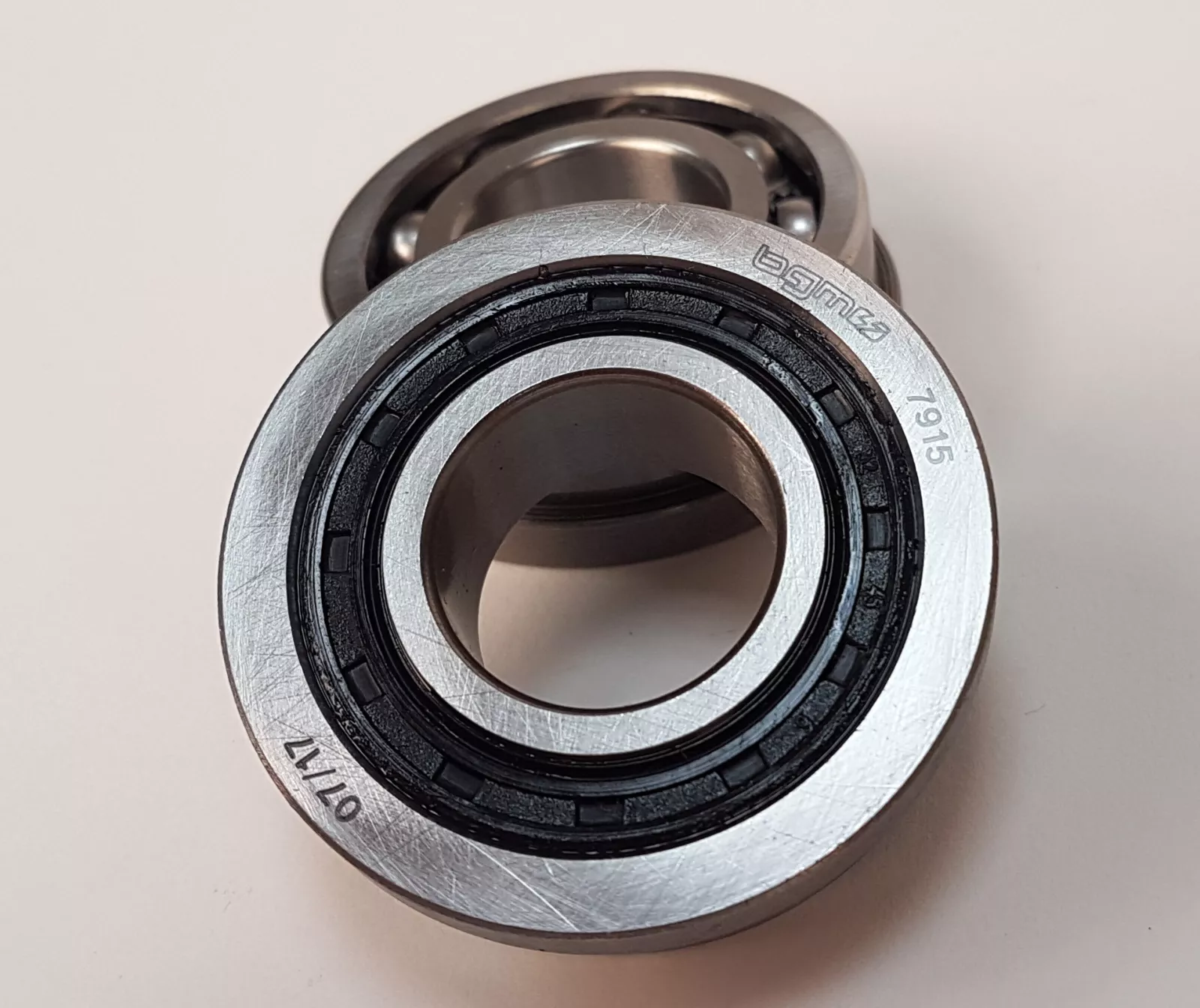
A distinctive feature of this specific bearing design is that an oil seal must be installed between the inner and outer rings to ensure a proper seal. We take care of the somewhat time-consuming installation of the shaft seal for you and deliver the bearing with the NBR-quality shaft seal already installed.
“Quality is … when the customer comes back, not the product.”
[su_button url="https://www.scooter-center.com/de/product/BGM7915" target="blank" background="#ff071a" size="10" icon="icon: shopping-cart"]Order Lambretta rear wheel bearings here[/su_button] We’ve adjusted the bearing clearance to match the specific installation requirements of Lambretta engines. After installing the bearing in the engine housing and on the main shaft, the bearing clearance remains sufficiently large without the bearing running too tight. Thanks to the high-quality sealing and sufficient bearing clearance, all the basic conditions are in place for many trouble-free kilometers.
Our TIP for installation: Warm up the engine, cool the bearing
To install the bearing, the engine housing should be warmed up and the bearing should be cooled. A few hours in the freezer is sufficient for the bearing. If you’re in a hurry, our cooling spray can provide valuable and quick assistance. Example: Vespa crankshaft bearing: Once the bearing is installed and has also warmed up due to the engine housing, it’s time to install the main shaft. Because the inner ring of the bearing is now also slightly warmed, even main shafts with a very tight fit can be installed more easily.
Pay attention to the torque!
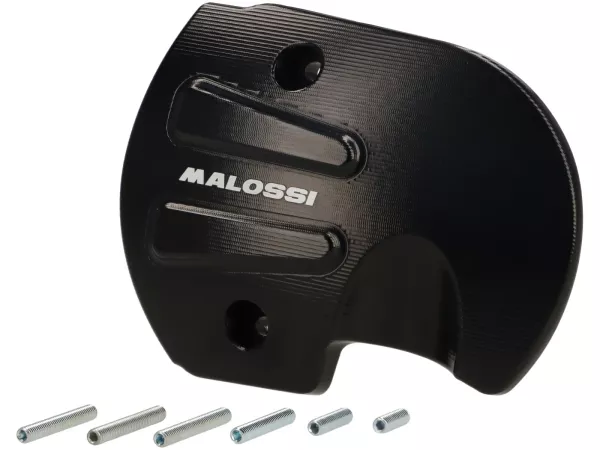
When subsequently installing the bearing shield, be sure to observe the specified torque. Due to their design, the slender M6 stud bolts tend to bend outward if the tightening torque is too high, which can damage the motor housing. The recommended torque range for the four stud bolts is 4.7–5.2 Nm.


 DE | €


 We’ve adjusted the bearing clearance to match the specific installation requirements of Lambretta engines. After installing the bearing in the engine housing and on the main shaft, the bearing clearance remains sufficiently large without the bearing running too tight. Thanks to the high-quality sealing and sufficient bearing clearance, all the basic conditions are in place for many trouble-free kilometers.
