Postage free from 99€ (DE)
High customer satisfaction


 DE | €
- Vespa Classic
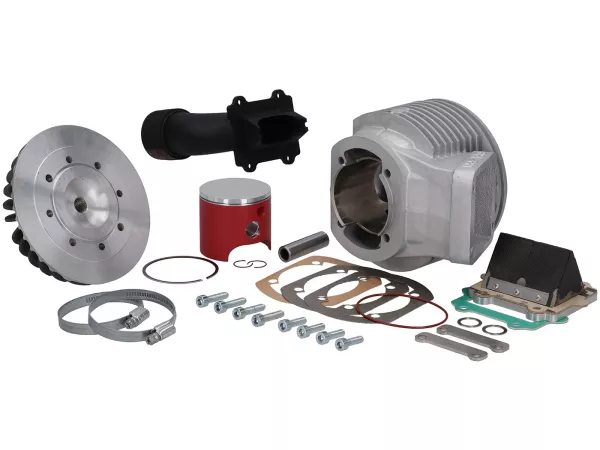
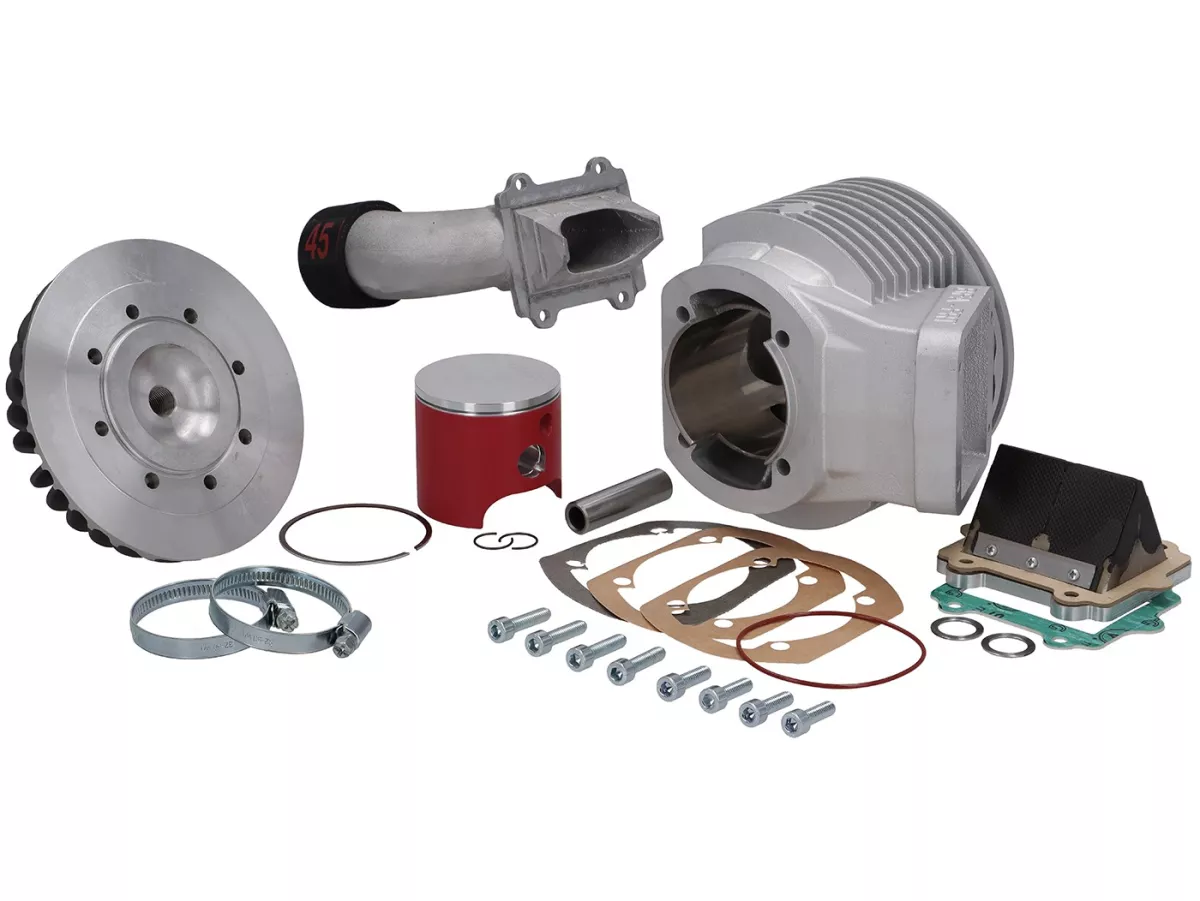
- Cylinder - BFA/FRT, 180cc Corsa (64x56mm, 110mm connecting rod)—diaphragm intake, air-cooled—for stock engine cases—Vespa V50, PV125, ET3, PK50, PK80, PK125

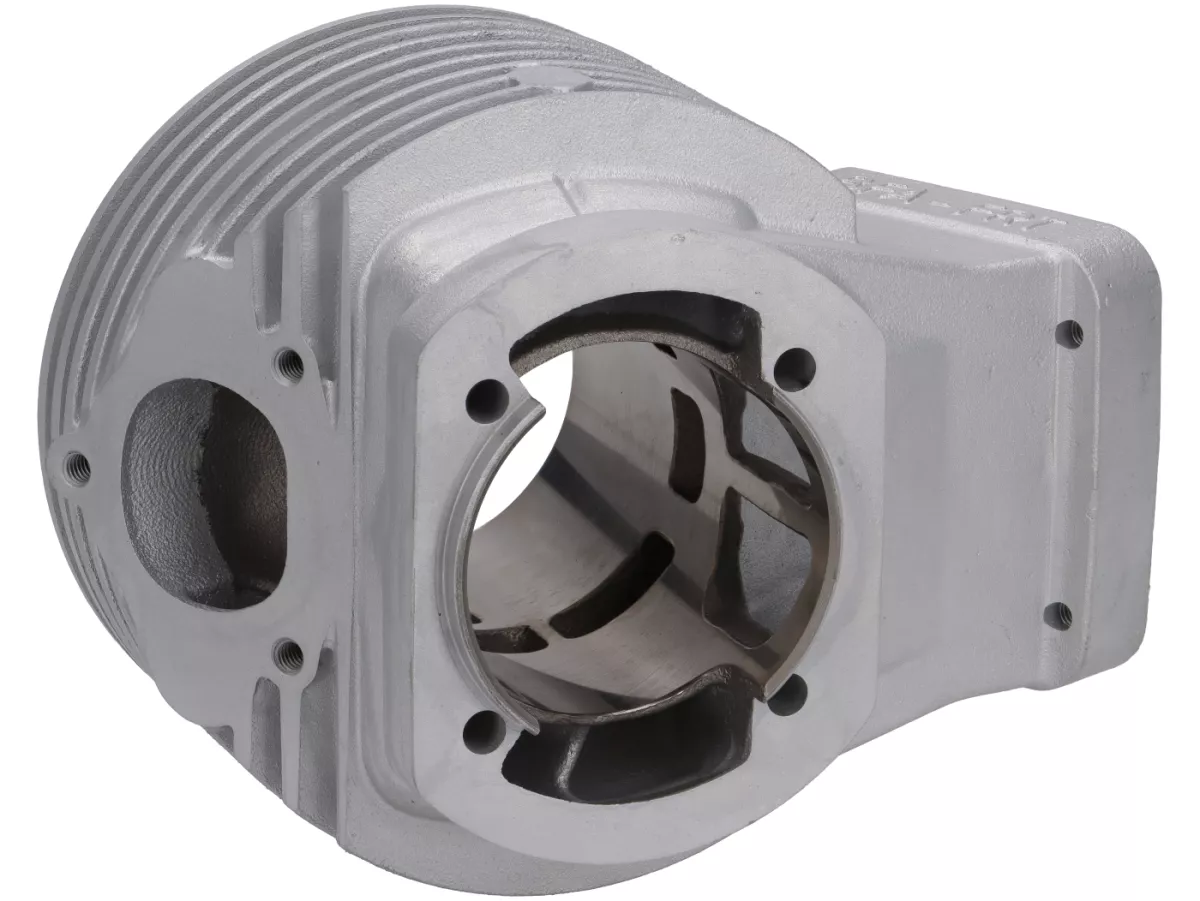
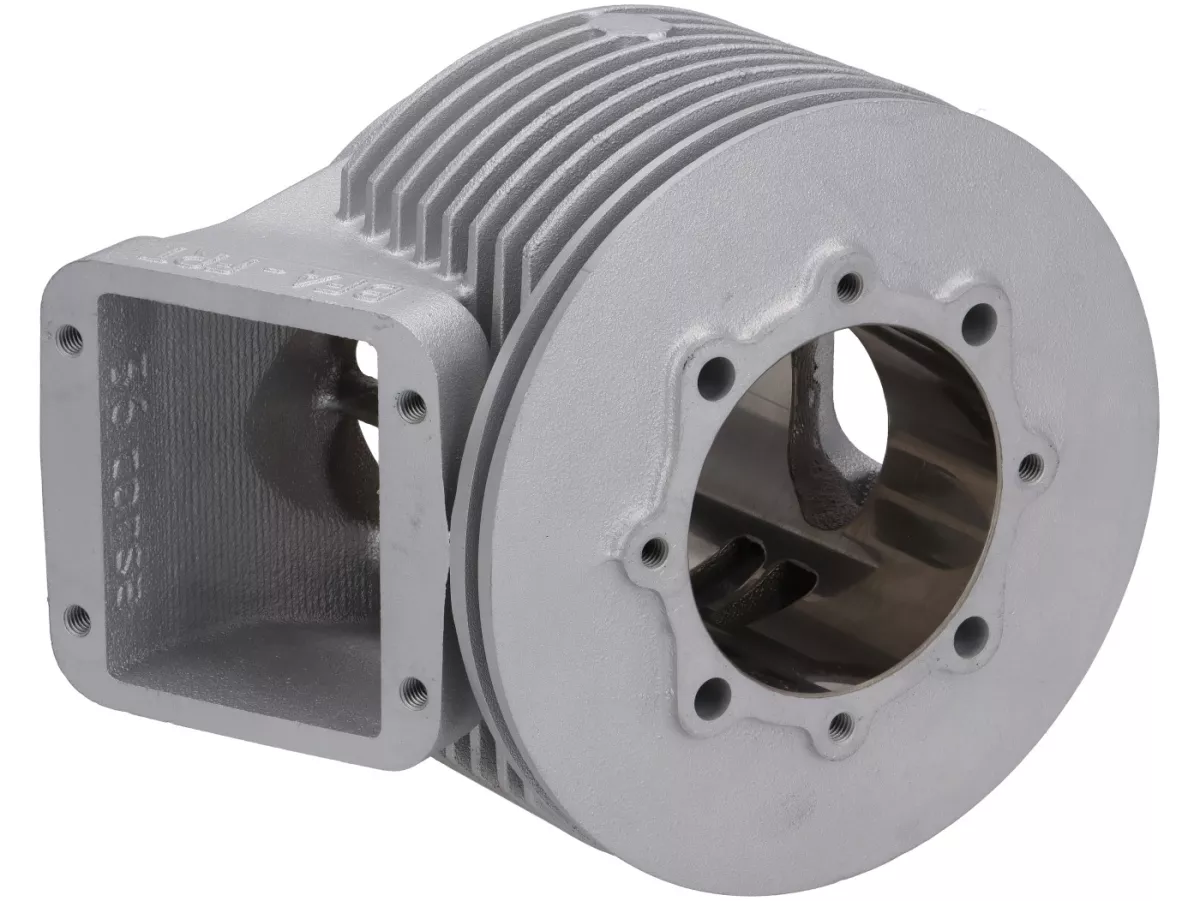
BFA/FRT 180 Corsa – the higher-performance 180-cm³ version for Vespa Smallframe with Ø64 mm, 56 mm stroke, 110 mm connecting rod, direct intake, and 3-piece exhaust.
In terms of performance, the BFA/FRT 180 Corsa is the big brother of the standard BFA/FRT 180. The basic architecture remains the same, with a 64-mm bore, 56-mm stroke, 110-mm connecting rod, five overflow ports, and direct intake—the key difference lies in the 3-piece exhaust system.
Thanks to the additional exhaust port area, the Corsa version is designed to be even more performance-oriented. It is designed for small-frame engines where, compared to the standard BFA/FRT 180, higher peak power and a sportier engine character are the priority, without sacrificing the standard Piaggio stud-head configuration.
180 cc Ø64 mm 56 mm stroke 5 over-the-head valves Direct intake Diaphragm Wössner forged pistons Corsa 3-piece exhaust Performance-oriented
The unique feature of the BFA/FRT concept lies in the combination of very large displacement and the classic Smallframe stud layout. The cylinder is still based on the Piaggio Smallframe design, but requires corresponding machining of the engine case for installation.
The BFA/FRT 180 Corsa is designed for installation on Vespa Smallframe stock engine cases. The original Piaggio stud pattern is retained, but the cylinder mount and the transfer ports must be machined to accommodate the large-displacement cylinder.
As with the standard BFA/FRT 180, this requires precise machining of the cylinder mount and careful adjustment of the transfer ports. Crank shaft clearance must also be checked during installation.
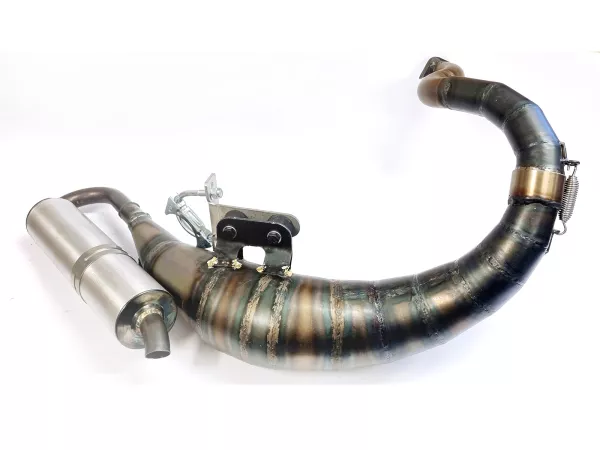
The standard BFA/FRT 180 Corsa is deliberately designed for broad-band performance and torque. The 180 Corsa builds on the same large-displacement base but utilizes a 3-piece exhaust system, thereby providing significantly more effective exhaust cross-sectional area.
This shifts the focus more toward peak power. The Corsa is therefore particularly appealing for performance-oriented street, sprint, and race setups where the potential of the 180-cm³ base is to be exploited more fully.
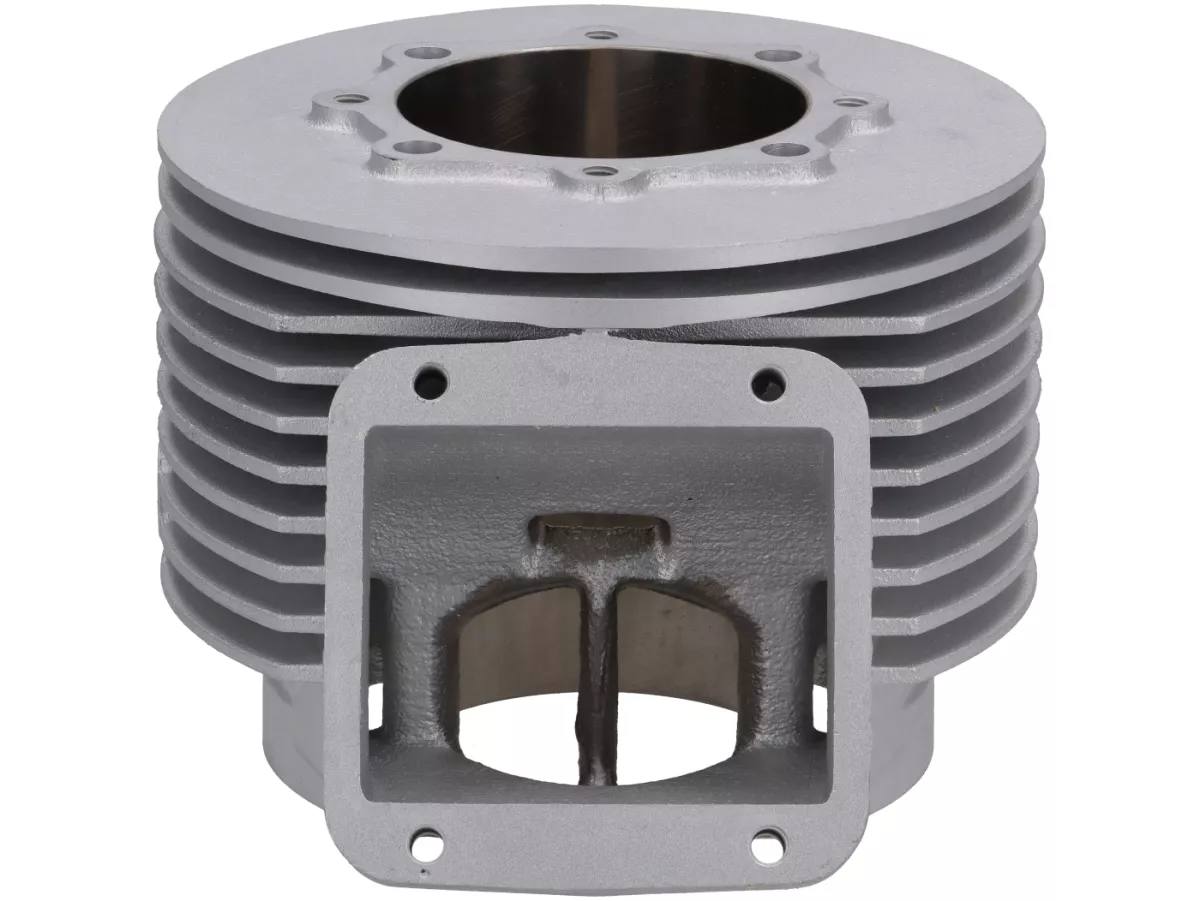
The aluminum cylinder features five overflow channels. Intake does not occur via the traditional rotary valve in the engine block, but rather directly through a diaphragm into the cylinder.
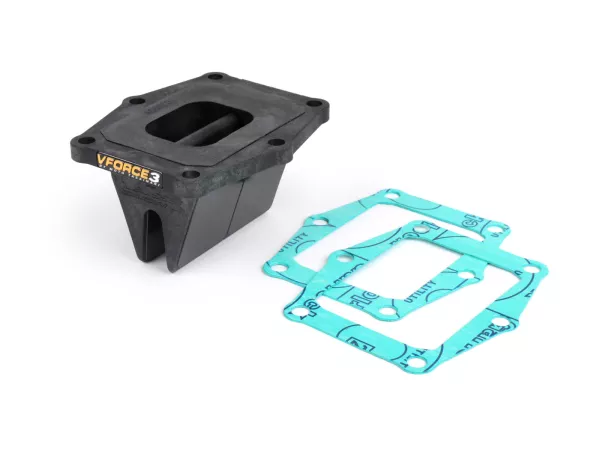
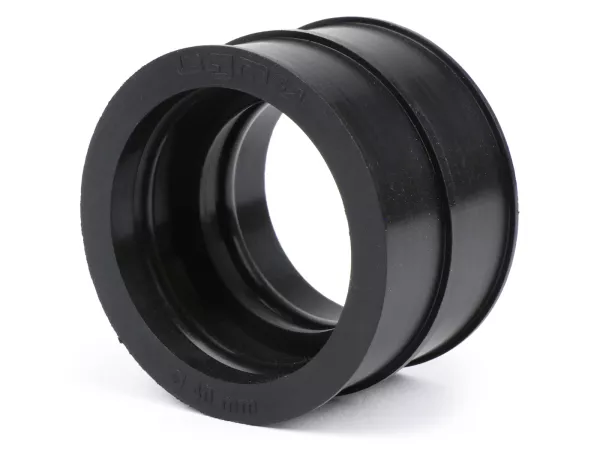
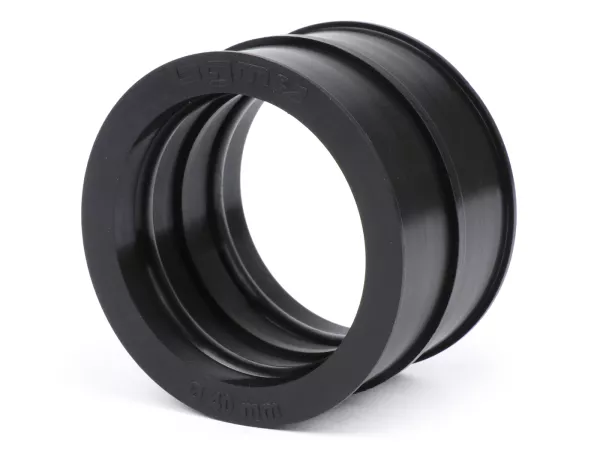
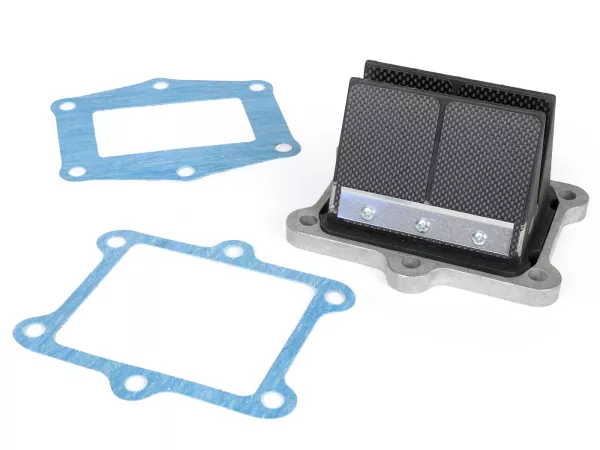
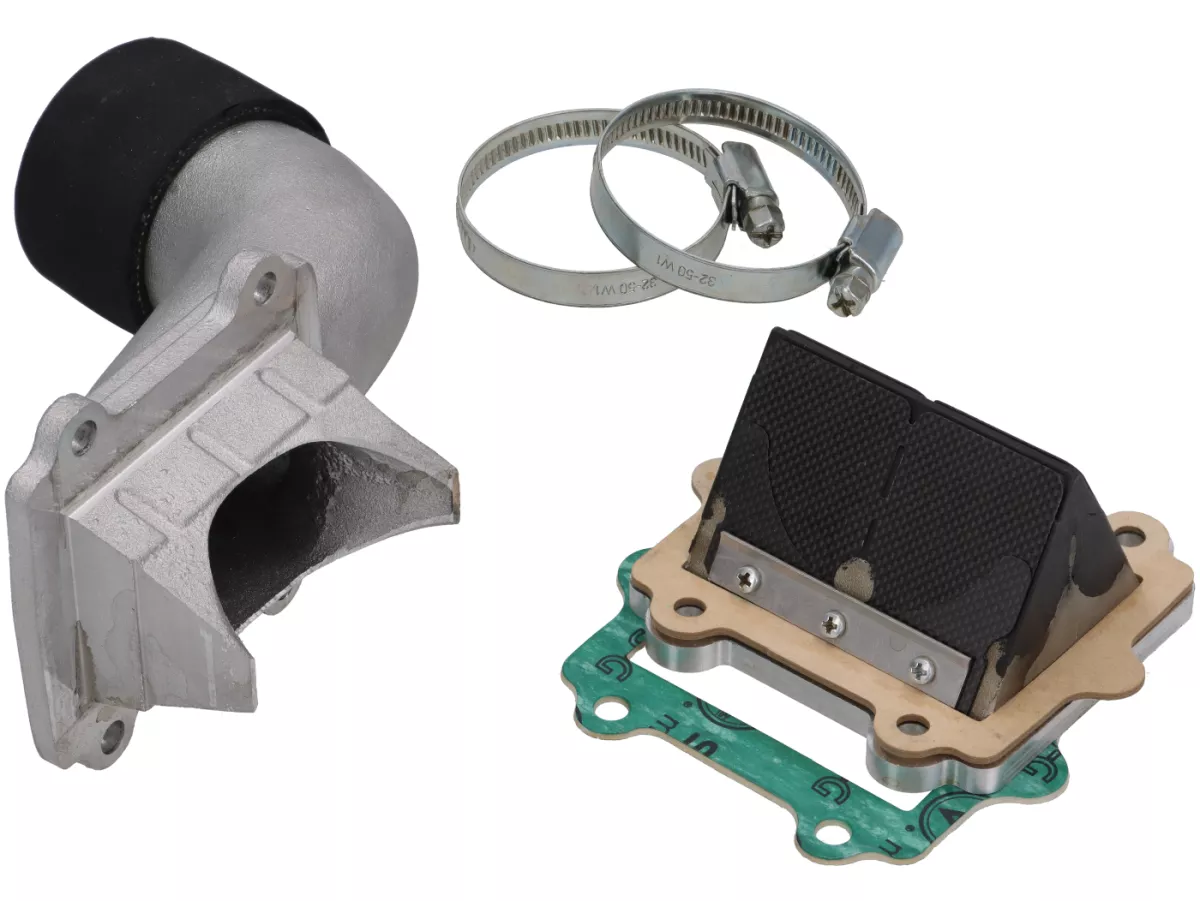
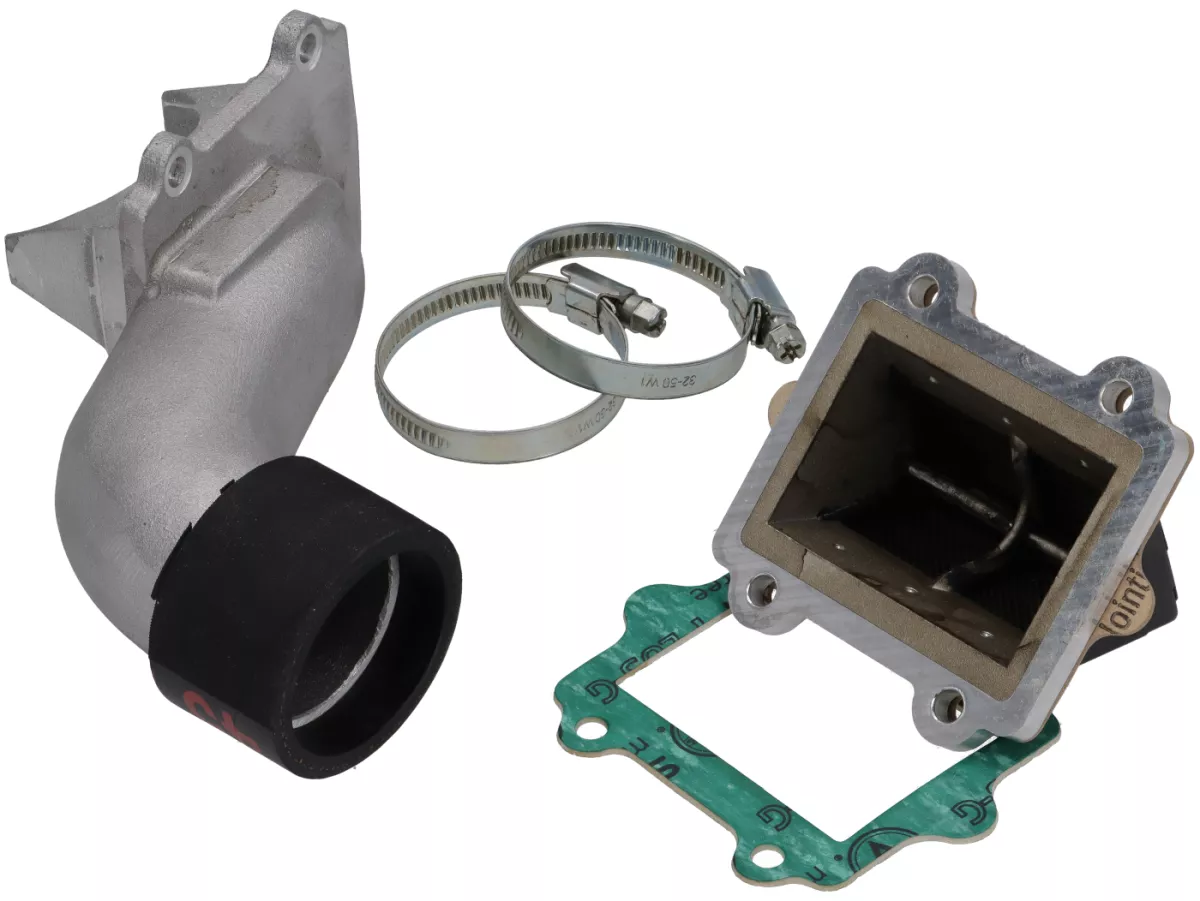
The system includes a BFA/FRT carbon diaphragm. The intake manifold is made of a special polymer and features an integrated flow guide. According to the current manufacturer’s instructions, the intake manifold is available in 35-mm and 40-mm versions.
The system also includes a cover plate for the original engine case intake. This deactivates the traditional case intake and fully converts the engine to direct intake.
The cylinder is made of aluminum and features a Nikasil-coated bore. This design combines the aluminum body’s excellent heat dissipation with a wear-resistant bore surface.
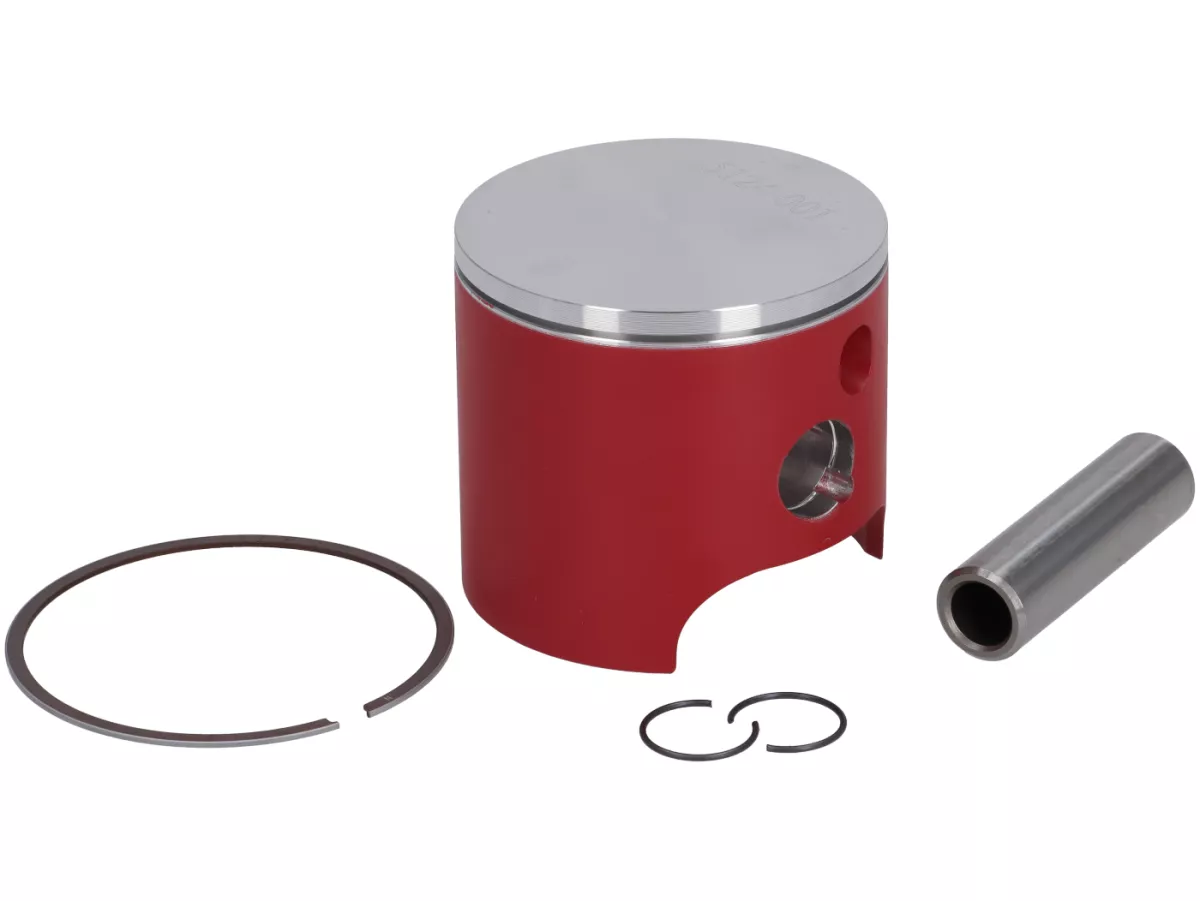
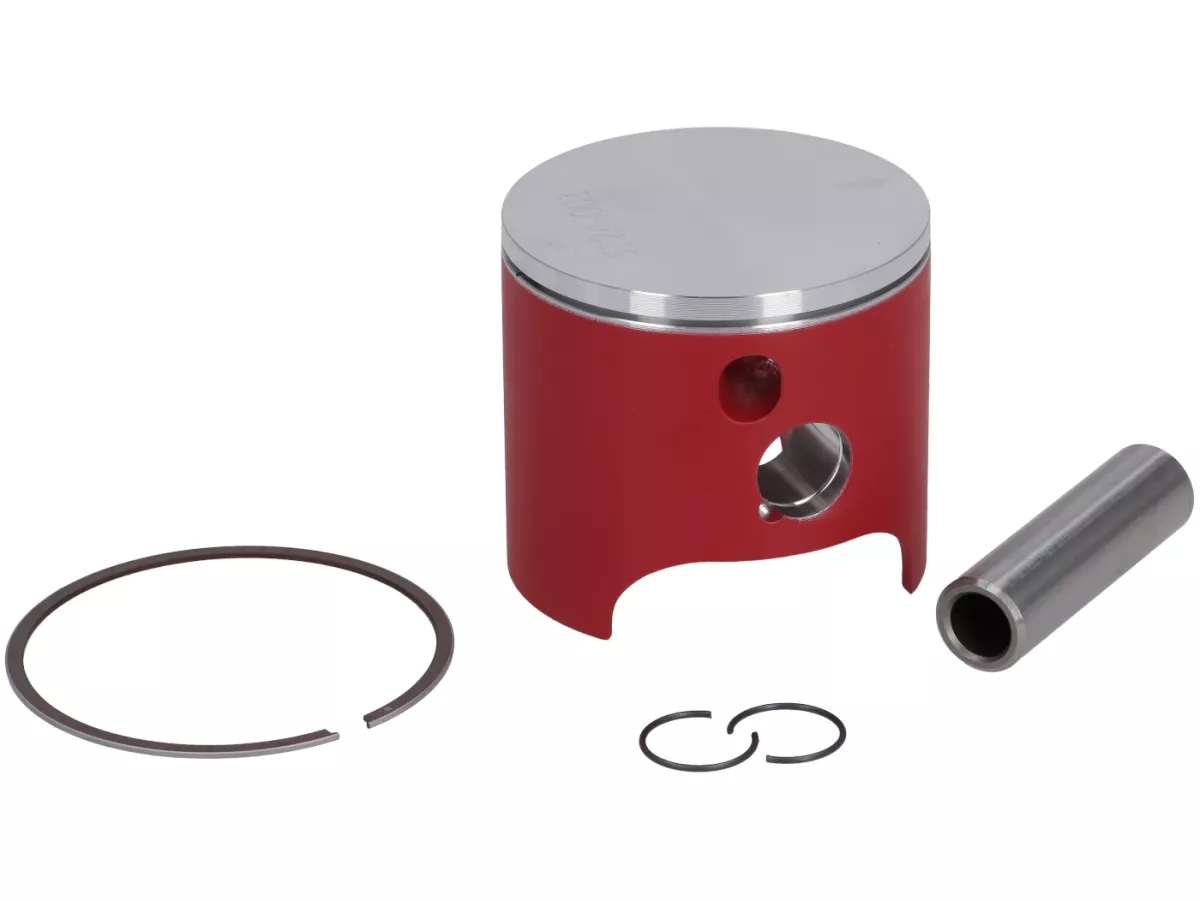
BFA/FRT combines the cylinder with a Wössner forged piston (Ø64.00 mm). The piston features a graphite coating and uses a Ø15 mm piston pin.
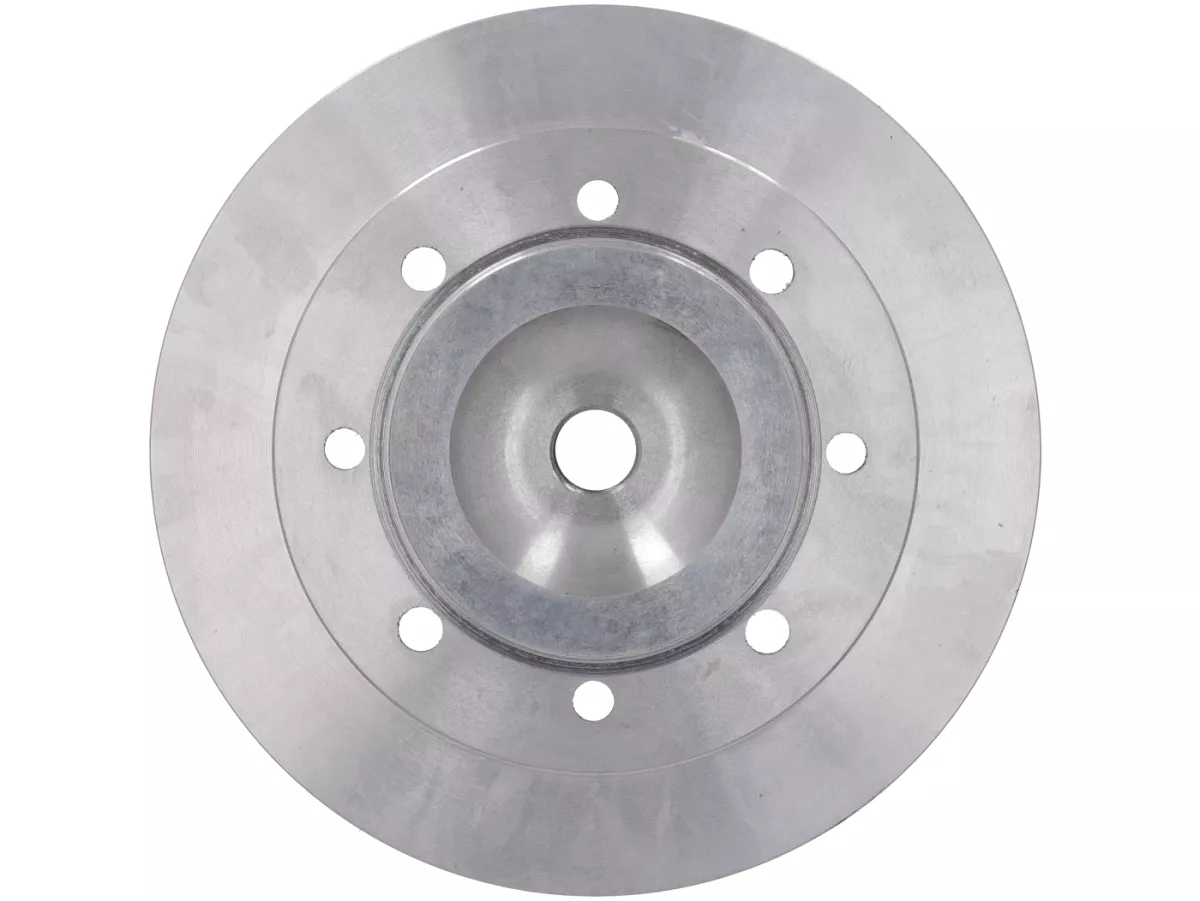
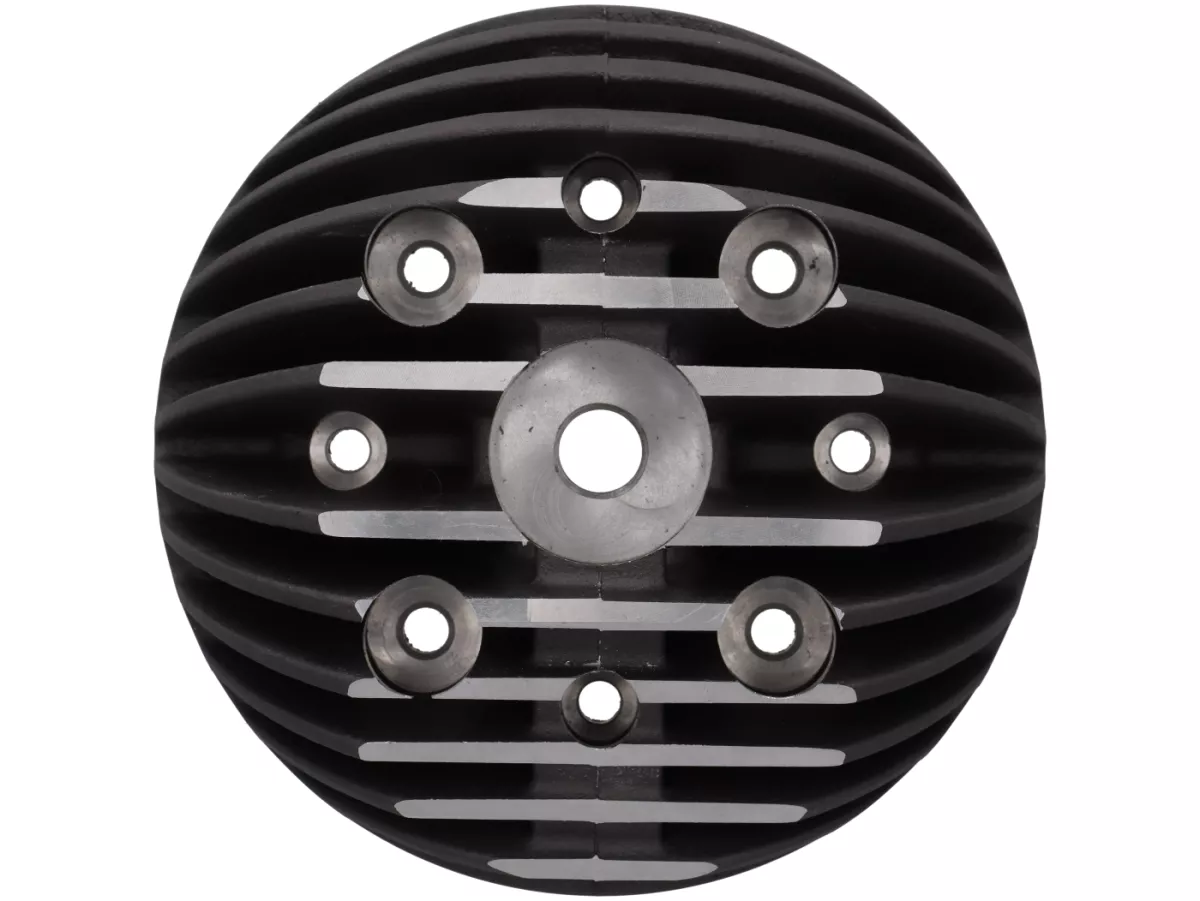
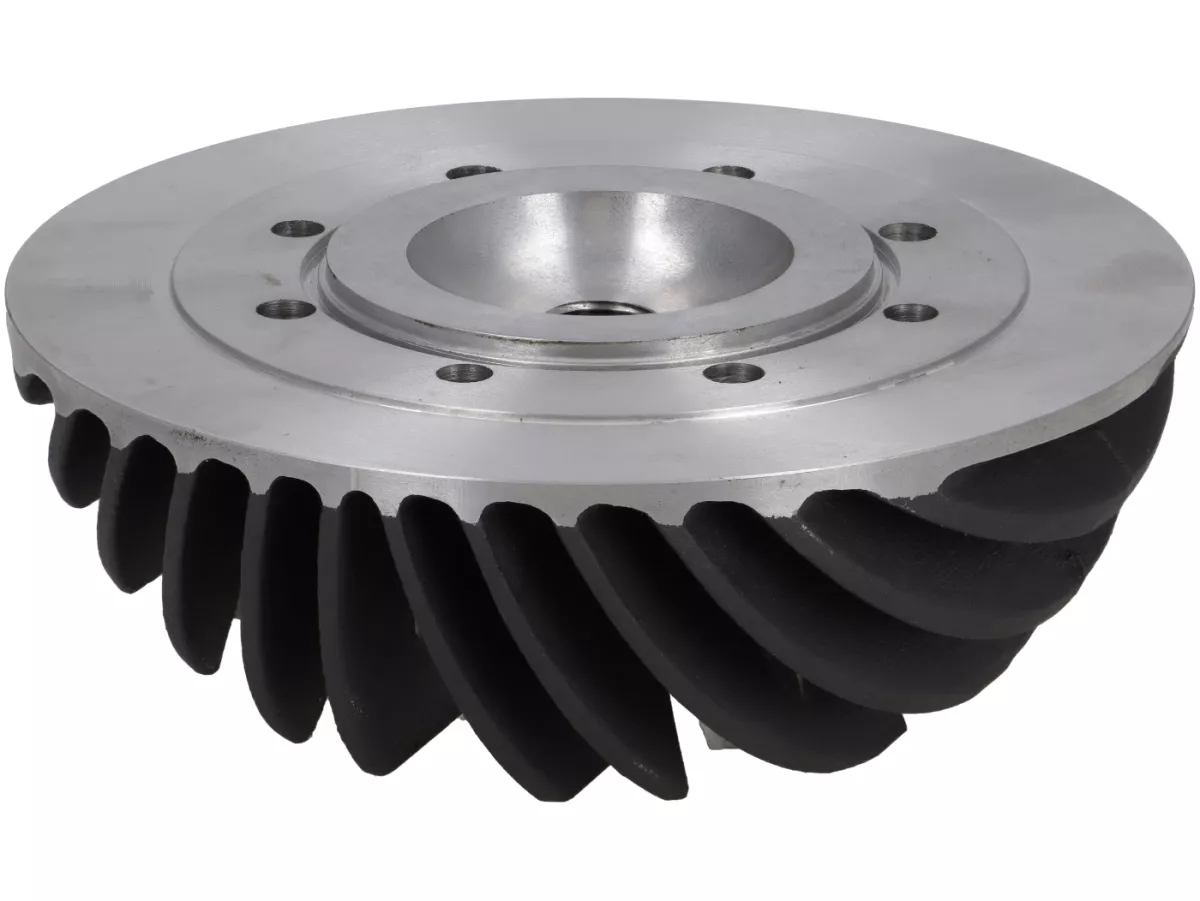
The aluminum cylinder head is hard-anodized and features a countersunk mounting for the cylinder. Sealing is provided by a high-temperature-resistant O-ring. Additionally, the head is secured with four M6 screws.
The 180 Corsa features a 3-part exhaust port. In addition to the central main exhaust port, additional exhaust ports are available. This significantly increases the effective exhaust cross-sectional area compared to the standard BFA/FRT 180. The exhaust port has a diameter of Ø38 mm.
The hole spacing for the exhaust mounting is 60 mm. BFA/FRT has designed the cylinder so that standard exhaust systems with a hole spacing of approximately 60–62 mm can be used.
| Recommended compression edge | 1.1–1.3 mm |
|---|---|
| Fixed ignition timing | 18–19° before TDC |
| Variable ignition | 26–27° before TDC at 3,000 rpm |
| Manufacturer-specified variable ignition | VAPE Sport |
| Mixture oil | 2.5% according to BFA/FRT |
| M6 cylinder head bolts | 9–11 Nm |
|---|---|
| M7 stud nuts | 14–16 Nm |
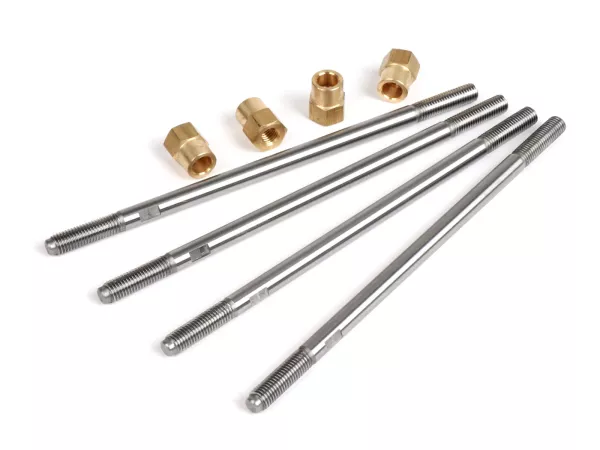
BFA/FRT recommends using its own set of M7 stud bolts (158 mm long) for installation.
Both 180-cm³ versions feature a Ø64 mm bore, 56 mm stroke, and 110 mm connecting rod length. The key difference with the Corsa is the 3-piece exhaust port, which increases the exhaust cross-sectional area and further optimizes the cylinder for high performance.
| Manufacturer | BFA Motori / FRT Racing |
|---|---|
| Displacement Class | 180 cc Corsa |
| Characteristics | Performance-oriented Corsa version of the BFA/FRT 180 |
| Material | Aluminum |
| Race | Nikasil-coated |
| Bore | Ø64.00 mm |
| Stroke | 56.00 mm |
| Connecting rod length | 110.00 mm |
| Piston pin | Ø15.00 mm |
| Piston | Wössner forged pistons, graphite-coated |
| Overflow valve | 5 |
| Intake | Direct intake with carbon diaphragm |
| Intake manifold | Special polymer with integrated flow guide, 35 or 40 mm according to the manufacturer’s instructions |
| Outlet | 3-piece |
| Outlet diameter | Ø38.00 mm |
| Exhaust hole spacing | 60 mm; cylinder designed for systems with approximately 60–62 mm |
| Overflow width Housing sealing surface | 80 mm; expandable to 92 mm according to the manufacturer |
| Spark plug position | Center |
| Stud pattern | Piaggio Smallframe |
| Application | Racing / off-road use |
The BFA/FRT 180 Corsa is technically designed as a high-performance tuning cylinder. The cylinder kit does not include general approval for use on public roads; therefore, the applicable regulations and the possibility of individual approval must be verified before use.
The BFA/FRT 180 Corsa is the consistently performance-oriented upgrade of the standard BFA/FRT 180. The large-displacement base with a 64 mm bore, 56 mm stroke, 110 mm connecting rod, and five transfer ports remains unchanged.
The key difference is the 3-piece exhaust port. The additional exhaust port area gives the Corsa greater potential for high performance and makes it an attractive choice for ambitious street, sprint, and racing engines.
At the same time, the original Piaggio stud pattern is retained. This allows the design to be implemented on a suitably machined Vespa small-frame production engine case.