BFA 180 cc Racing Cylinder – 64 mm bore, 56 mm stroke, diaphragm intake
The BFA 180 cc brings an exceptionally large displacement and correspondingly high power potential to the classic Vespa small-frame design. Despite its Ø64-mm bore and 180-cm³ class, the original Piaggio stud configuration is retained.
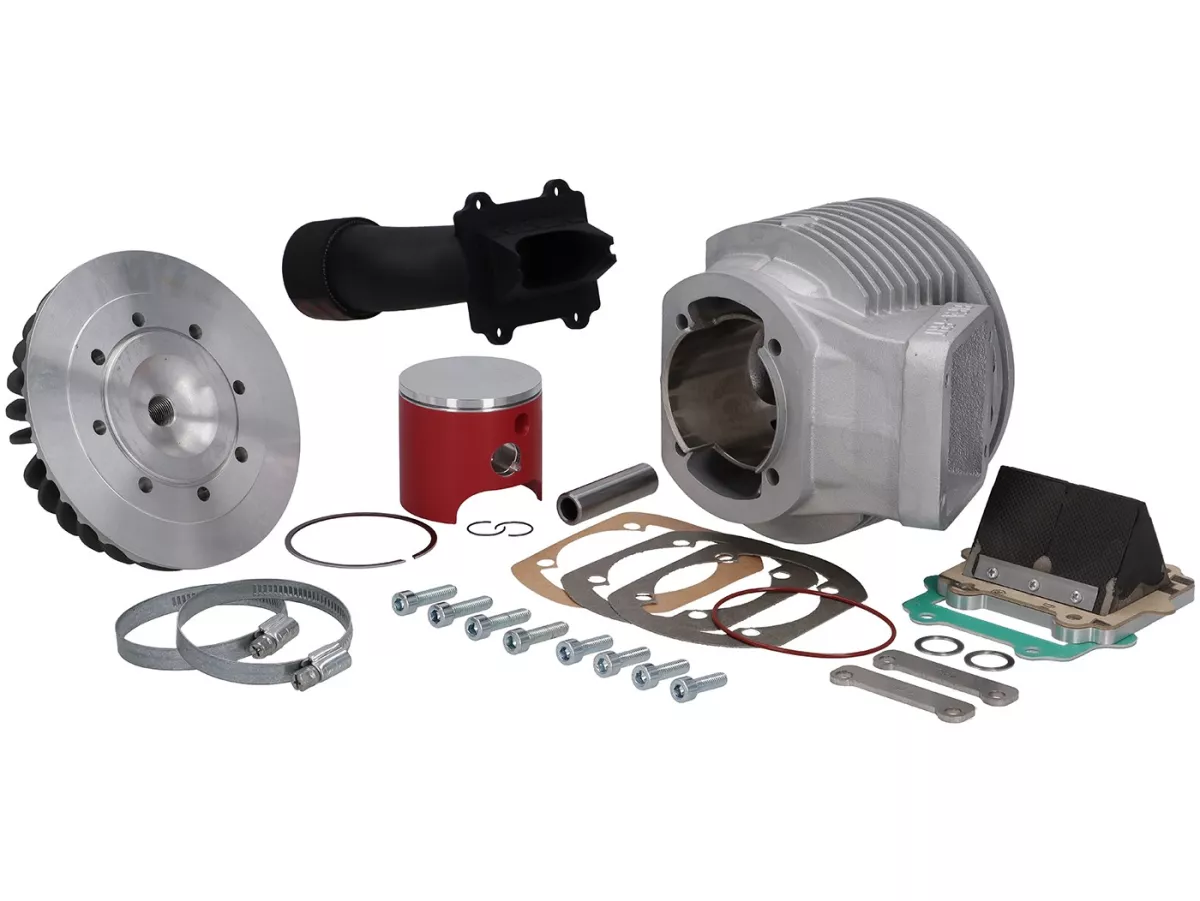
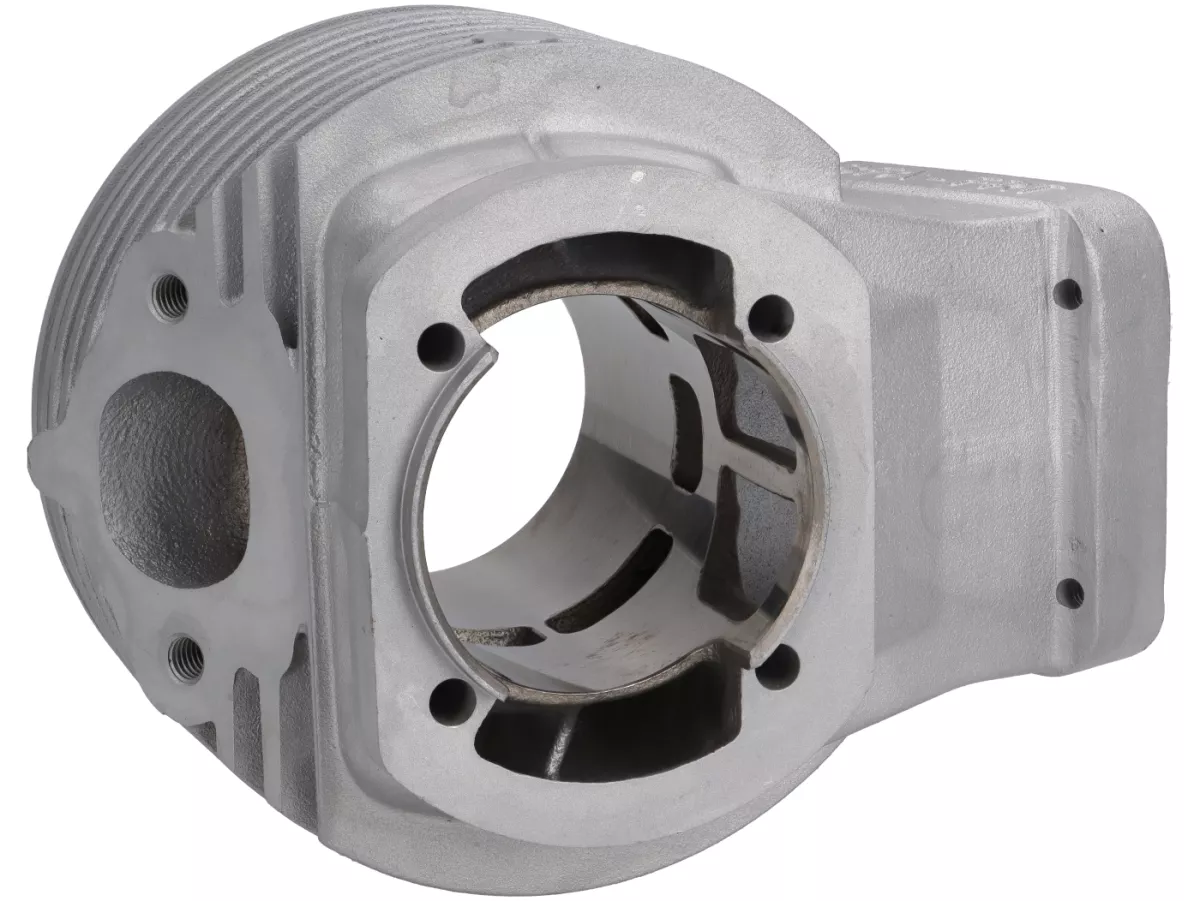
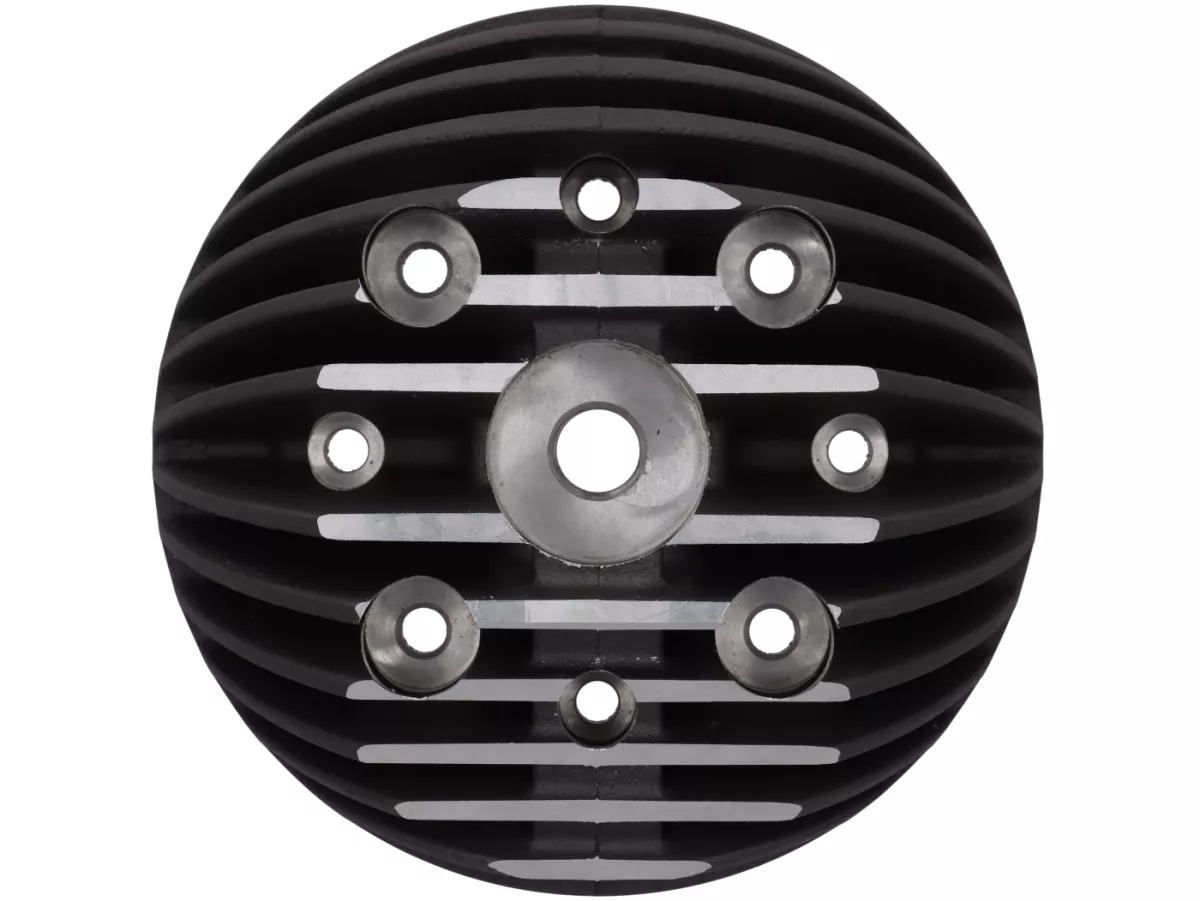
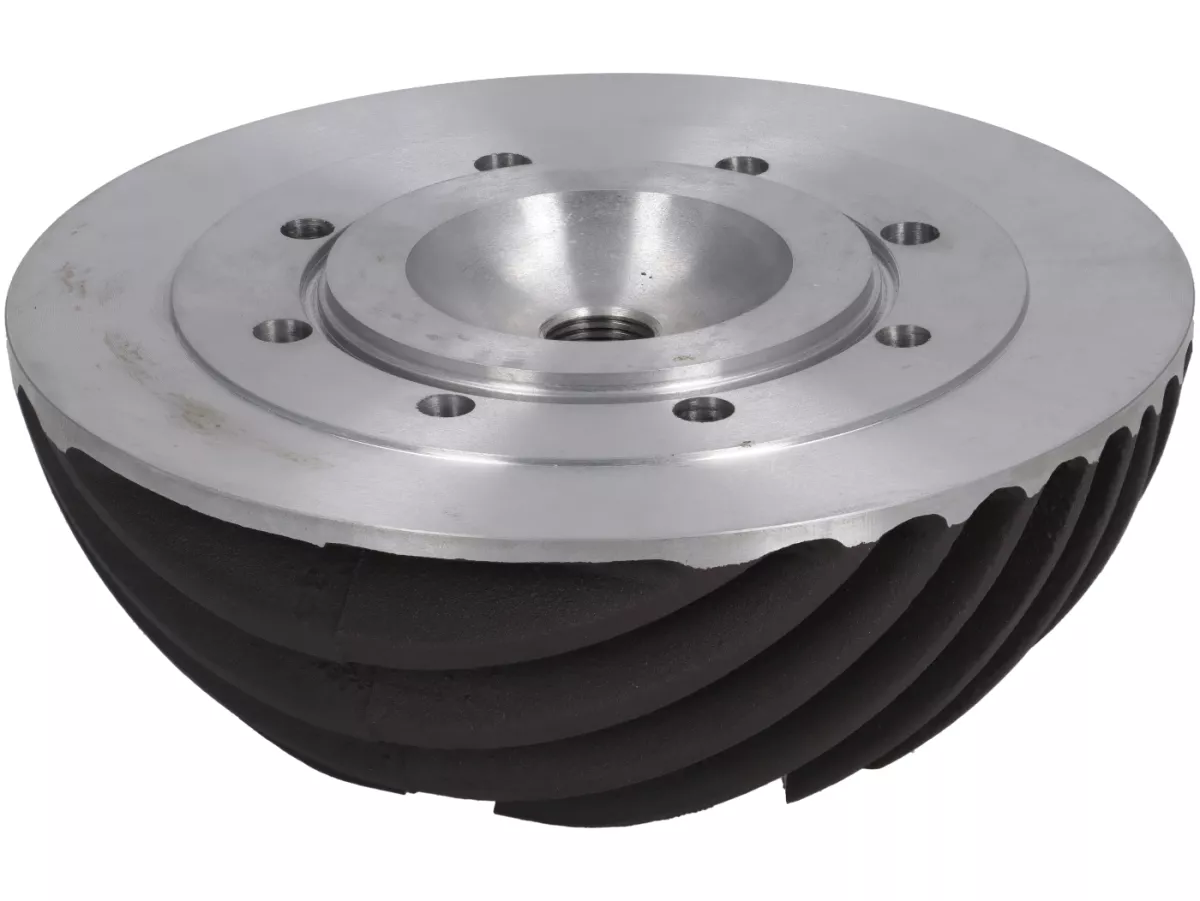
Technically, this is a direct-intake cylinder designed without compromise for high performance: An aluminum cylinder with a Nikasil coating, five transfer ports, a forged Wössner piston, a carbon diaphragm, and a specially designed cylinder head form a package consistently geared toward competition and high-performance small-frame engines.
180 cc
Ø64 mm
56 mm stroke
5 side-valves
Direct intake Diaphragm
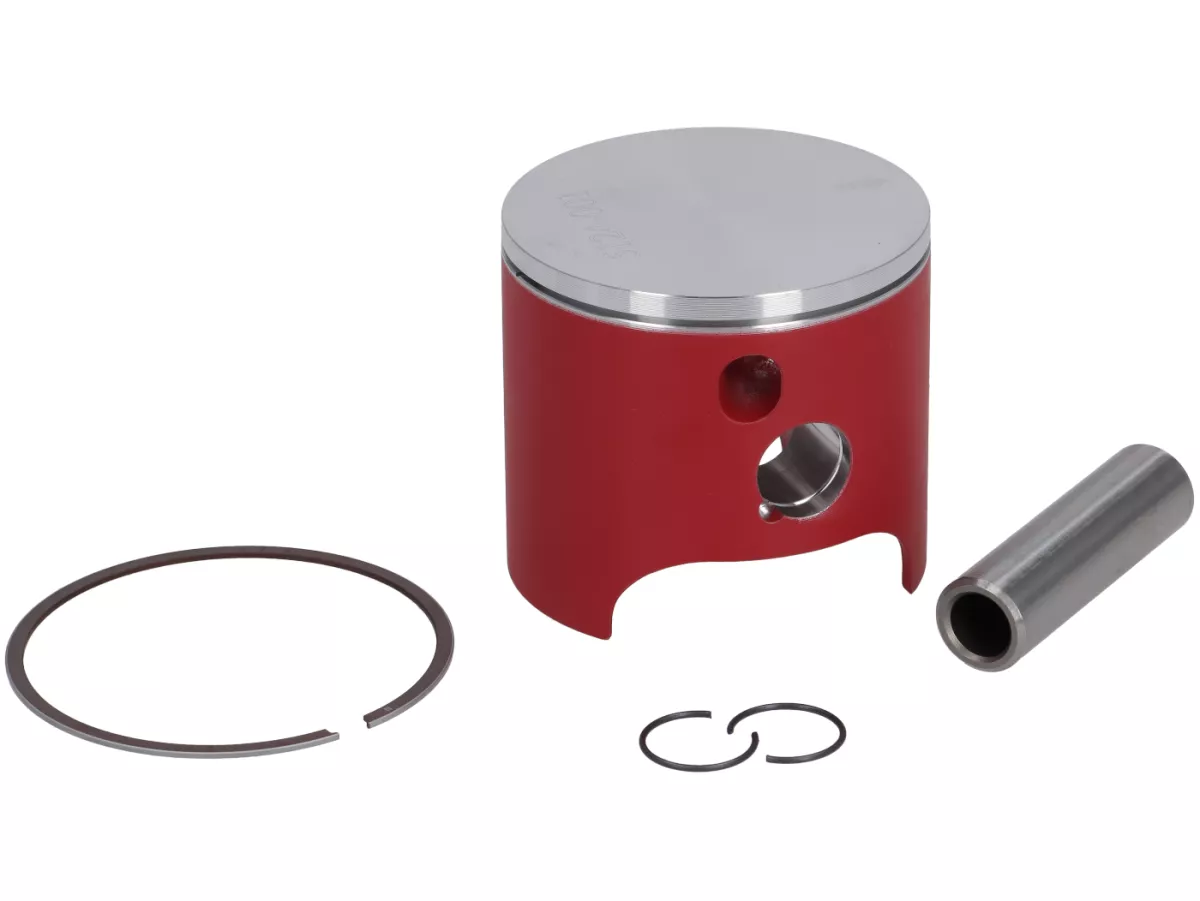
Wössner forged pistons
High-speed touring cylinder
Peak approx. 7,000–8,000 rpm
approx. 23 Nm
Key Features
180-cm³ class: plenty of displacement for strong acceleration and excellent rideability
Original stud configuration: Cylinder mounting on Piaggio small-frame geometry
Aluminum/Nikasil: modern cylinder design for high thermal and mechanical stress
Direct intake: Fuel-air mixture fed directly into the cylinder via a BFA diaphragm system
Wössner forged pistons: Ø64 mm with graphite coating
Touring character: Peak power, depending on the exhaust, as early as around 7,000–8,000 rpm
Torque: approximately 23 Nm across a wide rpm range
Cylinder head: HT O-ring and additional M6 screw connections
180 cc with original Piaggio stud-bolt layout
The standout feature of the BFA concept lies in the combination of very large displacement and the classic small-frame stud-mounted layout. The cylinder is still based on the Piaggio small-frame design, but requires corresponding machining of the engine case for installation.
Compatible engine cases and required machining
Several suitable crankcase bases are available for the BFA 180. The most obvious choice is the matching BFA engine cases, which are designed for high-performance Smallframe configurations. Alternatively, the cylinder can also be mounted on a VMC engine case or on a suitably prepared original Piaggio Smallframe engine case.
Regardless of the chosen base, the cylinder mount, porting, and crankshaft clearance must be compatible with the specific setup. For VMC and Piaggio casings, therefore, appropriate machining must be planned.
Machining the Cylinder Mount
BFA engine case: a suitable base for the BFA cylinder concept
VMC engine case: very well suited as an alternative base; machine the cylinder mount and transfer port to fit
Piaggio production crankcases: also usable, but require careful machining
Target dimensions for cylinder mount: Ø69.0 mm × 6.0 mm from the housing sealing surface
Reference dimensions for the lower area: Ø65.0 mm × 21.5 mm from the housing sealing surface
Always check the overflow port and crankshaft clearance against the actual housing being used
Fast touring cylinder instead of a pure high-rev engine
The BFA 180 uses its displacement not only for peak power but, above all, for early and strong torque. This makes it significantly more touring-friendly than a small-frame design, which only develops its power at very high RPMs.
Characteristics of the BFA 180
Peak power: typically as low as about 7,000–8,000 rpm, depending on the exhaust system
Torque: approximately 23 Nm with the right overall setup
Wide usable power band: strong acceleration across a broad RPM range
Touring-oriented: high performance without unnecessarily extreme RPMs
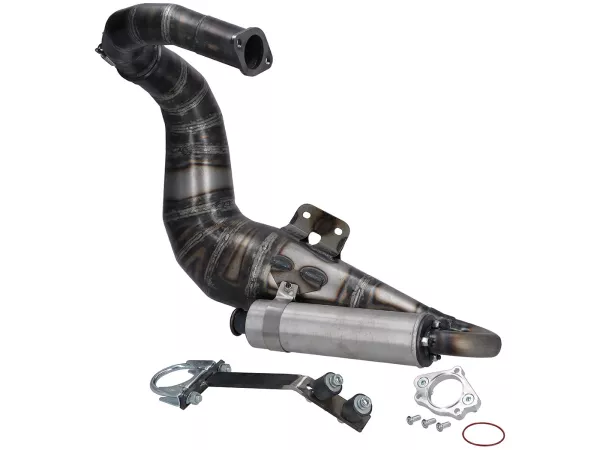
Exhaust-dependent: Character and peak power can be specifically tailored via the exhaust system used
It is precisely this combination of large displacement, moderate RPM levels, and high torque that makes the 180 particularly interesting for fast street and touring engines, where it’s not just maximum dyno power that counts, but above all a strong and broad usable power band.
Five over-flow ports and direct intake
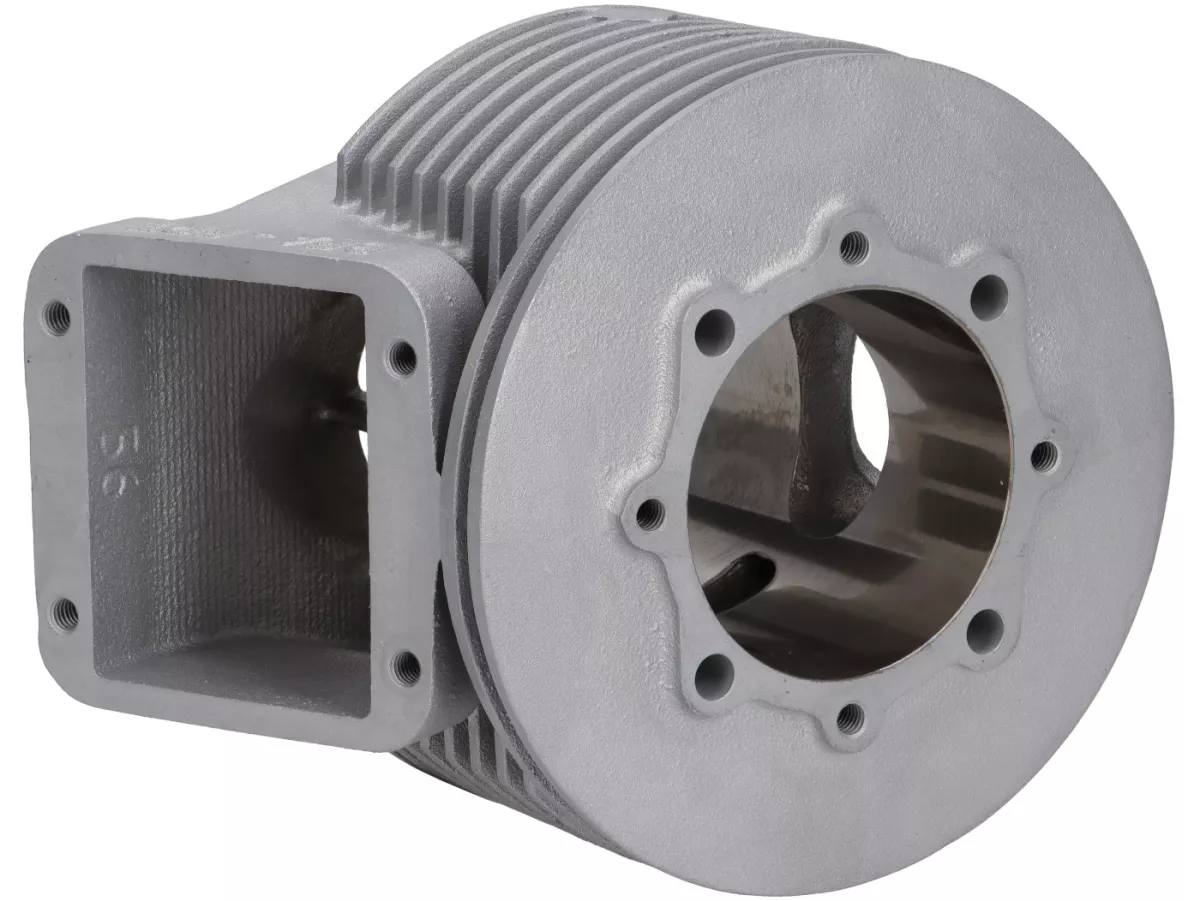
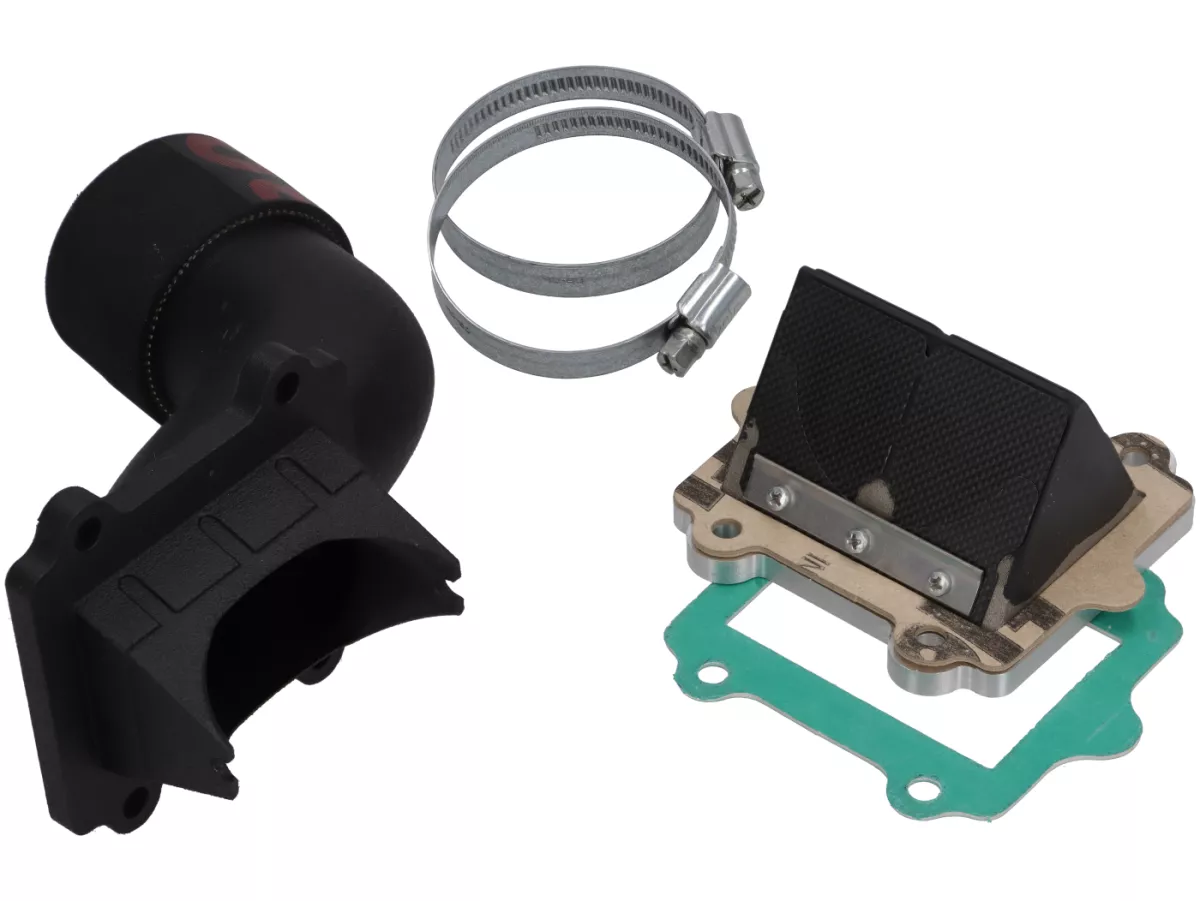
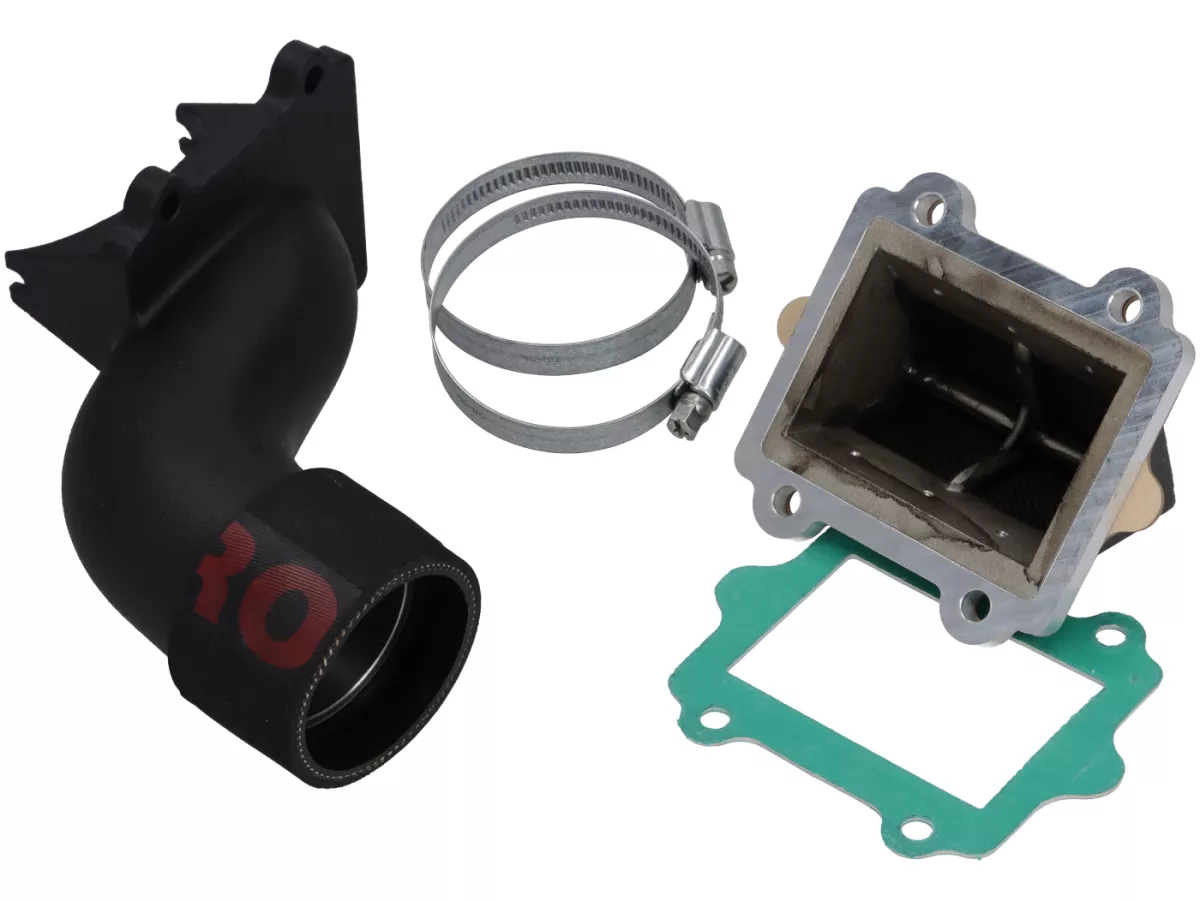
The aluminum cylinder features five overflow channels. Intake does not occur via the classic rotary valve in the engine block, but directly through a diaphragm into the cylinder.
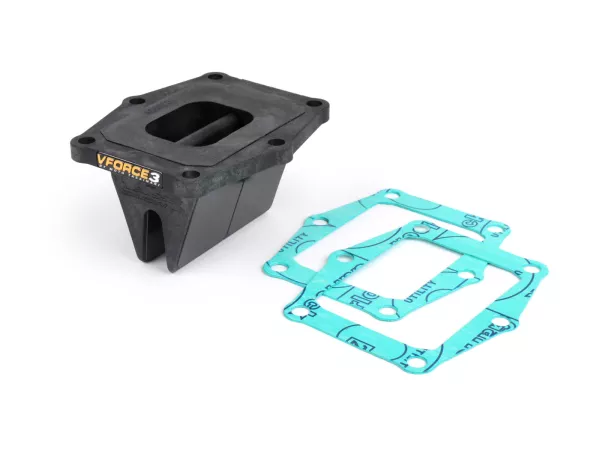
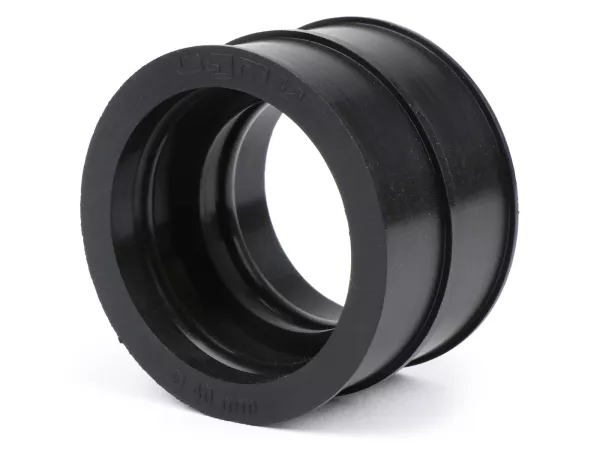
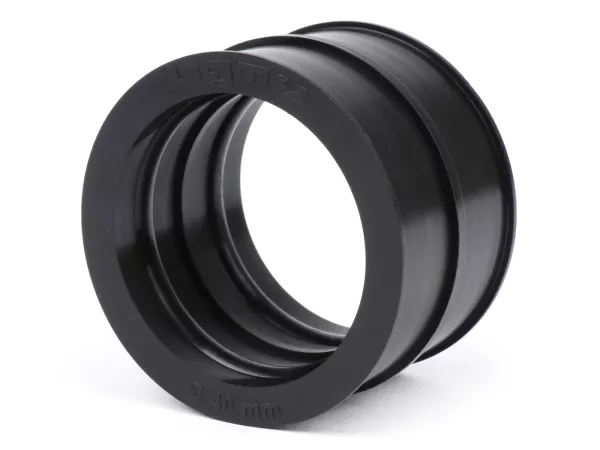
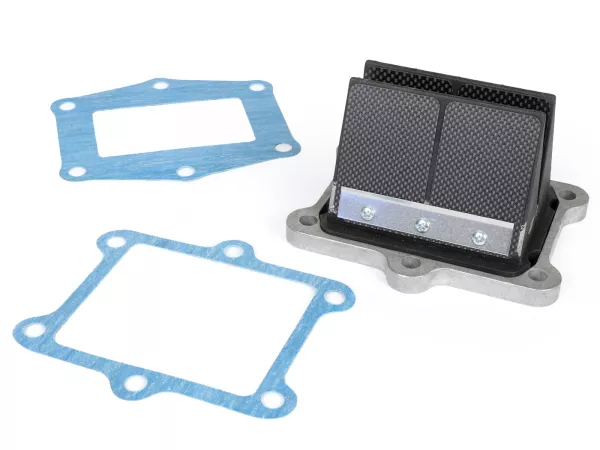
The system includes a BFA carbon diaphragm. The intake manifold is made of a special polymer and features an integrated flow guide. According to the current manufacturer’s instructions, the intake manifold is available in 35-mm and 40-mm versions.
The system also includes a cover plate for the original engine block intake port. This deactivates the traditional engine block intake port and fully converts the engine to direct intake.
Aluminum Cylinder with Nikasil Coating
The cylinder is made of aluminum and features a Nikasil-coated running surface. This design combines the aluminum body’s excellent heat dissipation with a wear-resistant running surface.
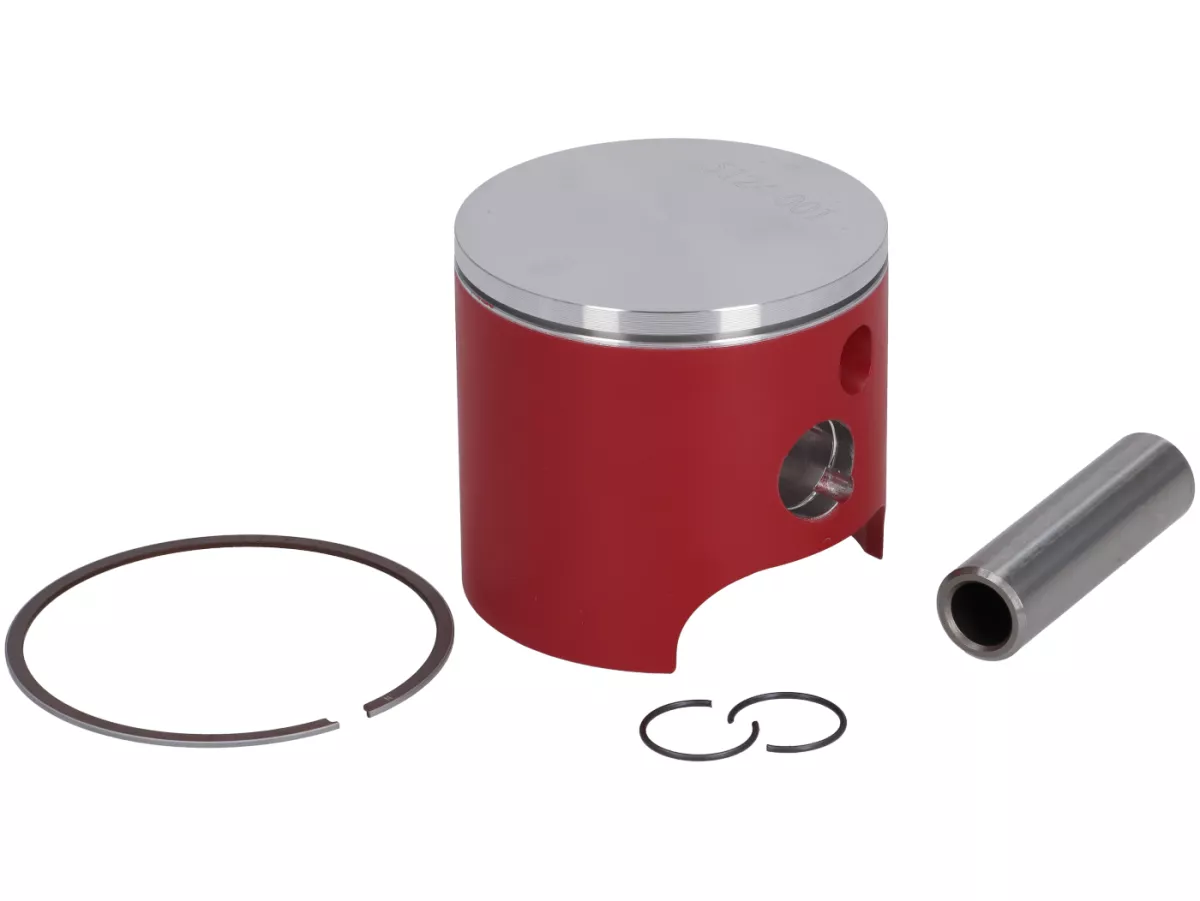
Wössner forged piston
BFA combines the cylinder with a Wössner forged piston (Ø64.00 mm). The piston has a graphite coating and uses a 15 mm diameter piston pin.
Cylinder Head with Additional Bolting
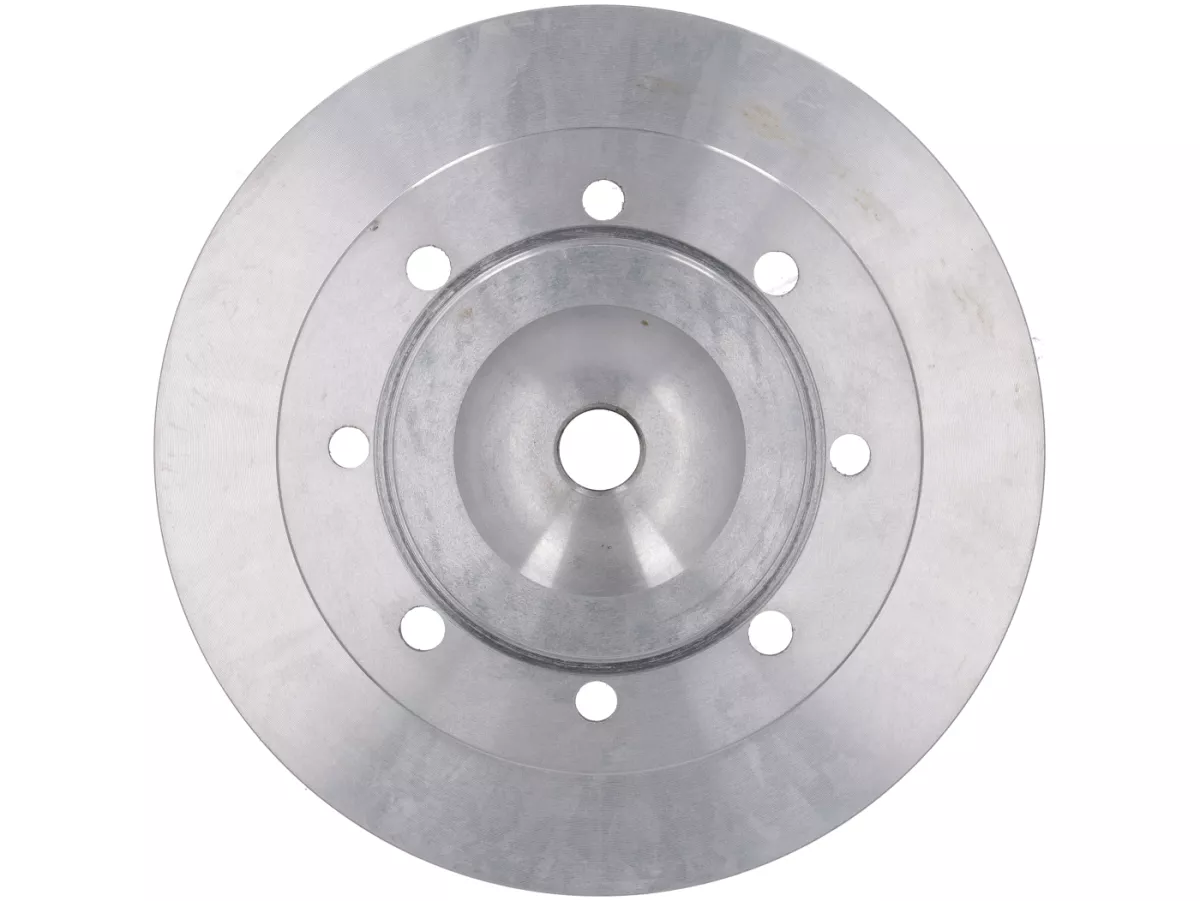
The aluminum cylinder head is hard-anodized and features a recessed mounting surface for the cylinder. Sealing is provided by a high-temperature-resistant O-ring. Additionally, the head is secured with four M6 screws.
Exhaust Port and Exhaust Connection
The 180 features a one-piece exhaust port. The exhaust port has a diameter of Ø38 mm.
The hole spacing for the exhaust mounting is 60 mm. BFA has designed the cylinder so that standard exhaust systems with a hole spacing of approximately 60–62 mm can be used.
Compression Edge and Ignition Timing
| Recommended compression edge | 1.1–1.3 mm |
|---|
| Fixed ignition | 18–19° before TDC |
|---|
| Variable ignition | 26–27° before TDC at 3,000 rpm |
|---|
| Manufacturer-specified variable ignition | VAPE Sport |
|---|
| Mixture oil | 2.5% according to BFA |
|---|
Tightening torques
| M6 cylinder head bolts | 9–11 Nm |
|---|
| M7 stud nuts | 14–16 Nm |
|---|
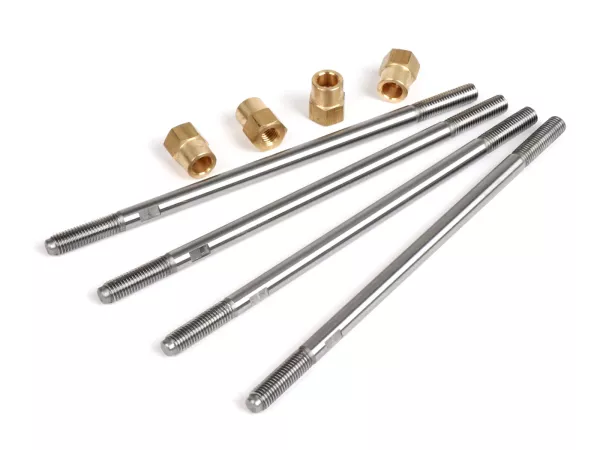
BFA recommends using its own set of M7 studs, 158 mm in length, for assembly.
Technical Specifications
| Manufacturer | BFA Motori |
|---|
| Displacement class | 180 cc |
|---|
| Characteristics | Large-displacement, high-speed touring engine |
|---|
| Typical power peak | Approx. 7,000–8,000 rpm, depending on the exhaust system |
|---|
| Torque | About 23 Nm with the right overall setup |
|---|
| Material | Aluminum |
|---|
| Raceway | Nikasil-coated |
|---|
| Bore | Ø64.00 mm |
|---|
| Stroke | 56.00 mm |
|---|
| Connecting rod length | 110.00 mm |
|---|
| Piston pin | Ø15.00 mm |
|---|
| Piston | Wössner forged pistons, graphite-coated |
|---|
| Overflow valve | 5 |
|---|
| Intake | Direct intake with carbon diaphragm |
|---|
| Intake manifold | Special polymer with integrated flow guide, 35 or 40 mm according to the manufacturer’s instructions |
|---|
| Outlet | One-piece |
|---|
| Outlet diameter | Ø38.00 mm |
|---|
| Exhaust hole spacing | 60 mm; cylinder designed for systems with approximately 60–62 mm |
|---|
| Overflow width Housing sealing surface | 80 mm; expandable to 92 mm according to the manufacturer |
|---|
| Spark plug position | Center |
|---|
| Stud pattern | Piaggio Smallframe |
|---|
| Application | Racing / off-road use |
|---|
Scope of Delivery
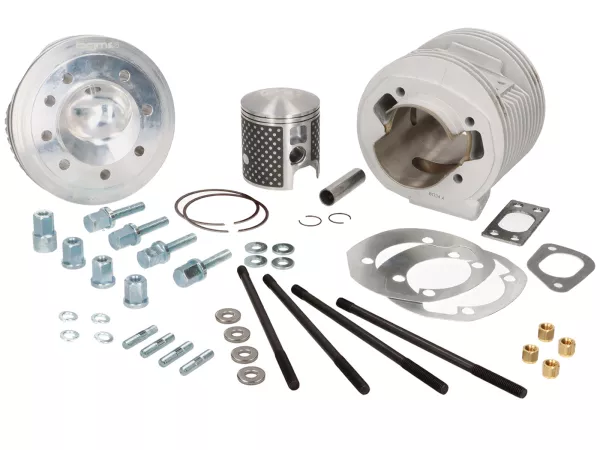
Aluminum cylinder, Ø64 mm, with Nikasil bore
Hard-anodized cylinder head with HT O-ring
Wössner forged piston, Ø64 mm
Piston pin Ø15 mm and associated components
BFA carbon diaphragm
Intake manifold
Closure plate for the engine block inlet
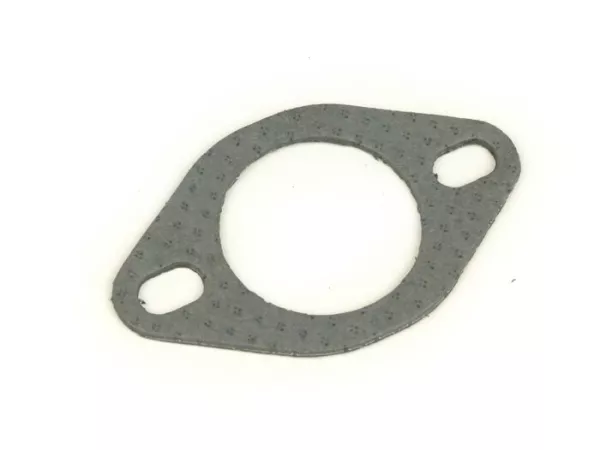
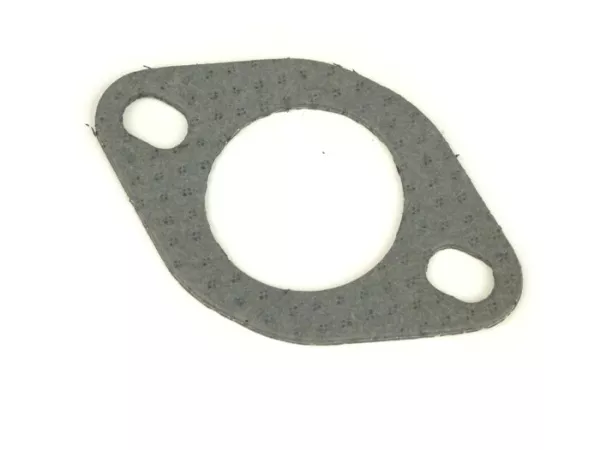
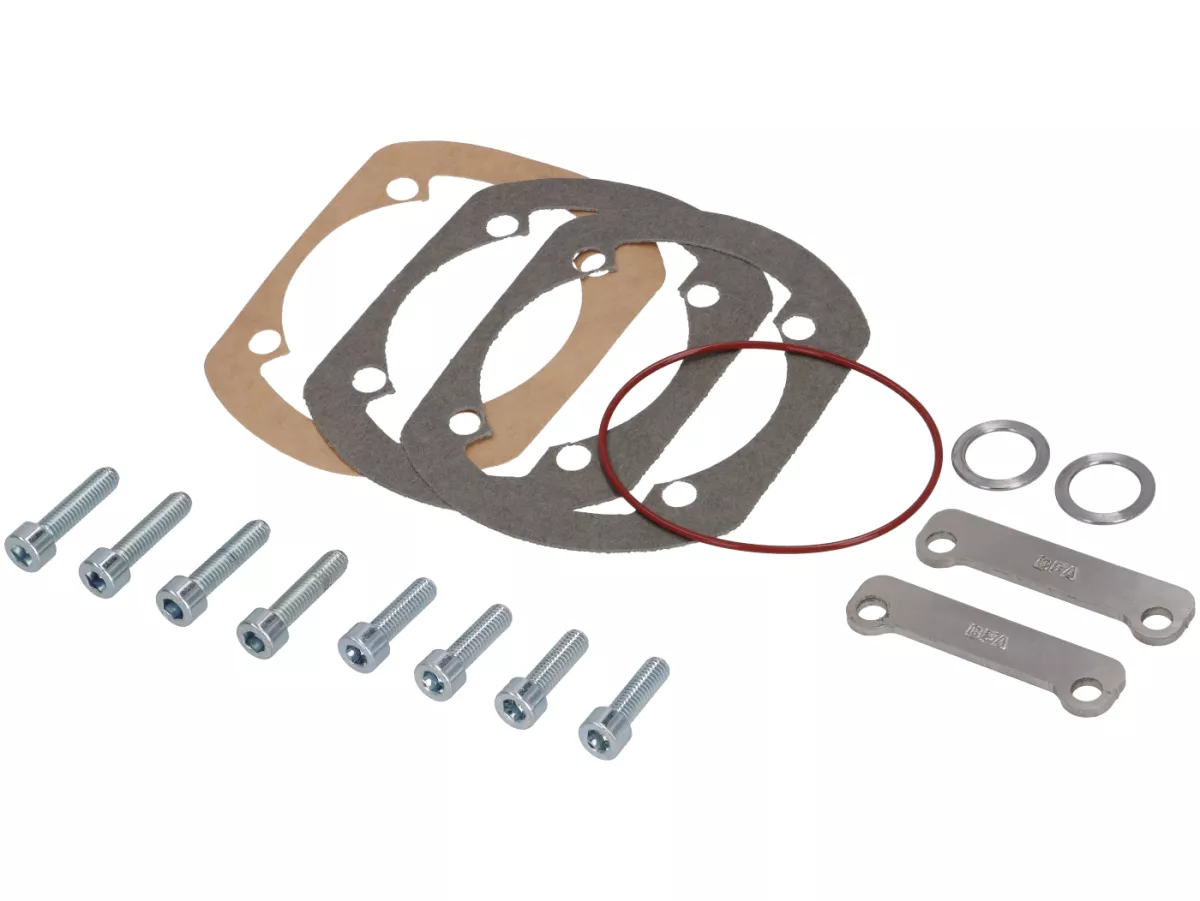
Gasket set
Mounting hardware
Note on Intended Use
The BFA 180 is technically designed as a high-performance tuning cylinder. The cylinder kit does not include general approval for use on public roads; therefore, the applicable regulations and the possibility of individual approval must be verified before use.
Conclusion
The BFA 180 is an exceptionally high-displacement small-frame cylinder with a clear touring focus. Rather than delivering its power only at extremely high RPMs, it combines a power peak in the range of approximately 7,000–8,000 RPM with about 23 Nm of torque and a broad usable power band.
This makes the cylinder an excellent fit for fast street and touring motorcycles that need to accelerate powerfully from any RPM. Compatible BFA engine cases provide the obvious foundation; alternatively, VMC cases or carefully machined original Piaggio cases can also be used.
Precise engine assembly remains crucial: the cylinder mount, overflow port, crankshaft clearance, compression edge, ignition, and exhaust must be tuned as an integrated system.
FAQ on the BFA 180 cc
Yes. The cylinder is designed for the original Piaggio small-frame stud pattern. However, the engine case must be machined accordingly in the area of the cylinder mount and transfer port.
The obvious choice is a compatible BFA engine case. Alternatively, a VMC engine case or a suitably modified original Piaggio Smallframe engine case is also suitable. For VMC and Piaggio casings, the cylinder mount, transfer port, and crankshaft clearance must be machined or checked to ensure they fit the assembly.
BFA specifies a machining of Ø69.0 × 6.0 mm for the cylinder mount, followed by Ø65.0 × 21.5 mm from the housing sealing surface. Additionally, the overflow ports and crankshaft clearance must be adapted to the respective configuration.
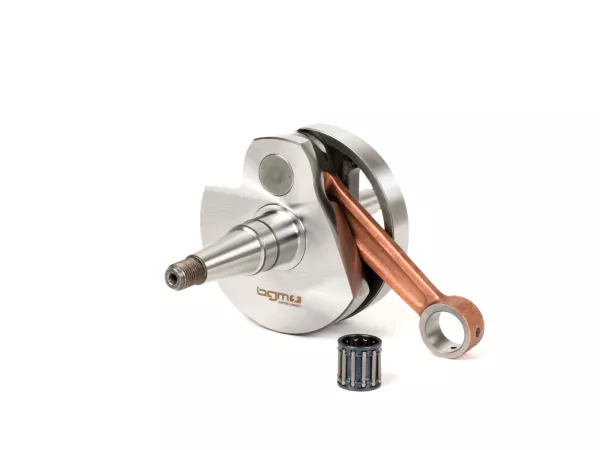
The 180-cm³ cylinder is designed for a 56-mm stroke and a 110-mm connecting rod length. This specification has been confirmed by the manufacturer for the 180-cm³ version; the older 105-mm specification applies to the 165-cm³ variant. Before assembling the engine, however, the crankshaft, piston position, and cylinder position should be checked together.
Yes. The system includes the BFA carbon diaphragm and an intake manifold. According to the manufacturer’s instructions, intake manifolds with diameters of 35 mm or 40 mm are available.
BFA specifies a pinch edge of 1.1 to 1.3 mm.
According to the manufacturer, the exhaust connection has a 60-mm hole spacing. The cylinder is designed so that standard systems with a hole spacing of approximately 60–62 mm can be used.
No. BFA explicitly designates the cylinder as a motorsports product intended for private use or for competition venues.
The cylinder is powerful but is deliberately designed with a focus on displacement and torque. Depending on the exhaust system, peak power is already reached at around 7,000–8,000 rpm. With approximately 23 Nm and a wide usable rpm range, it is therefore very well suited for fast touring and street engines.


 DE | €
 Tip of the day