DE | €
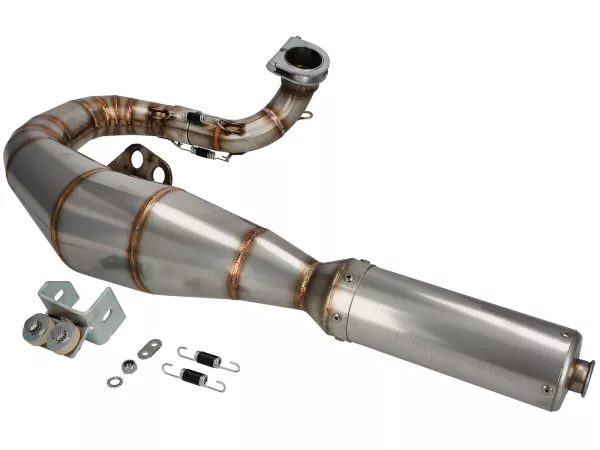
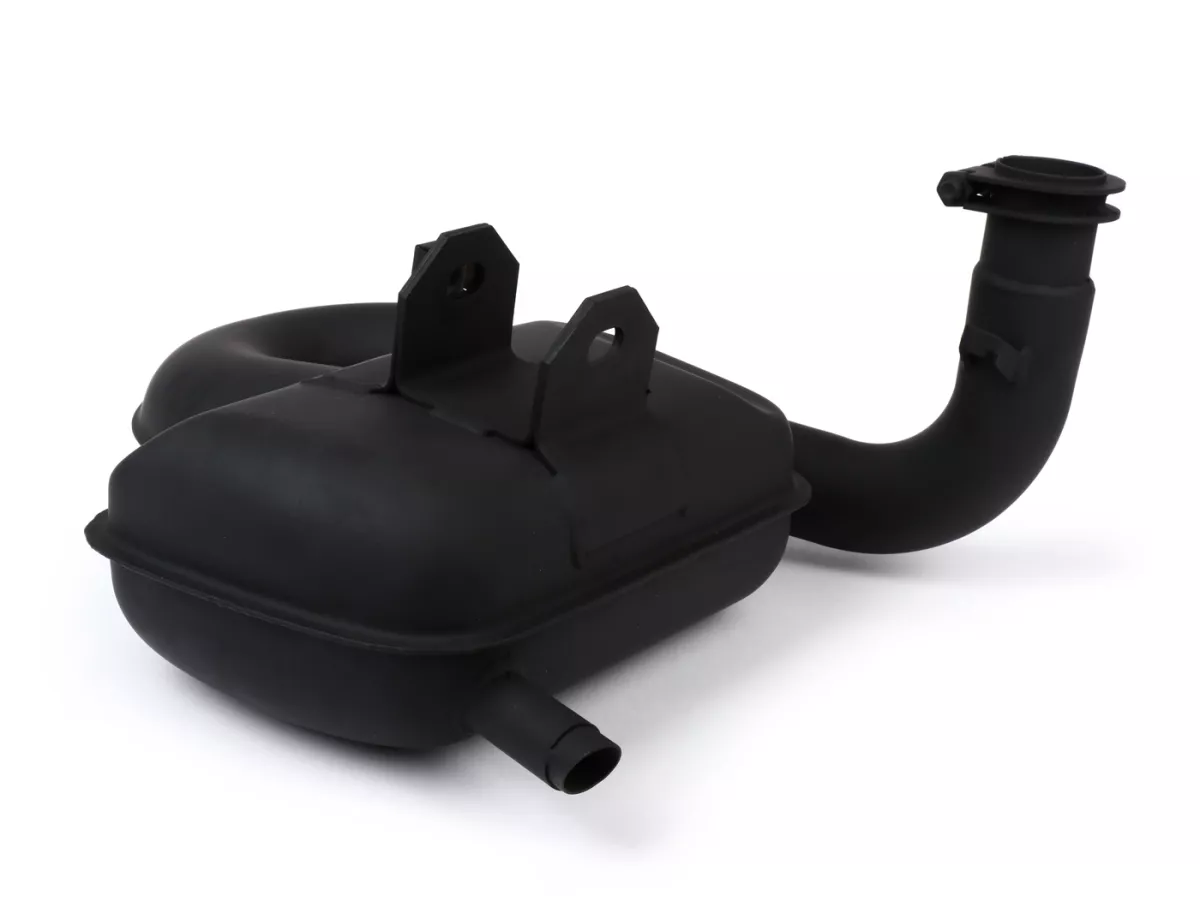
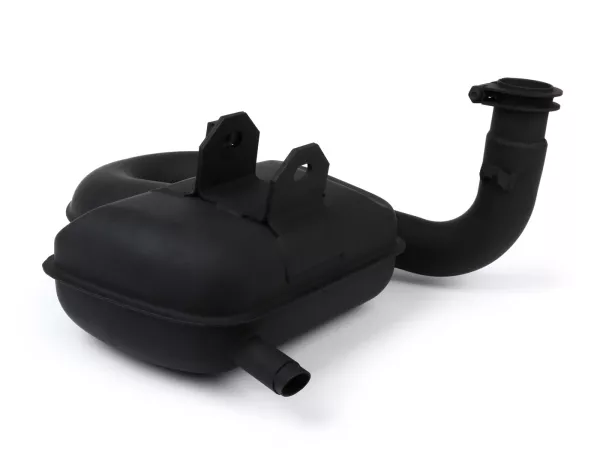
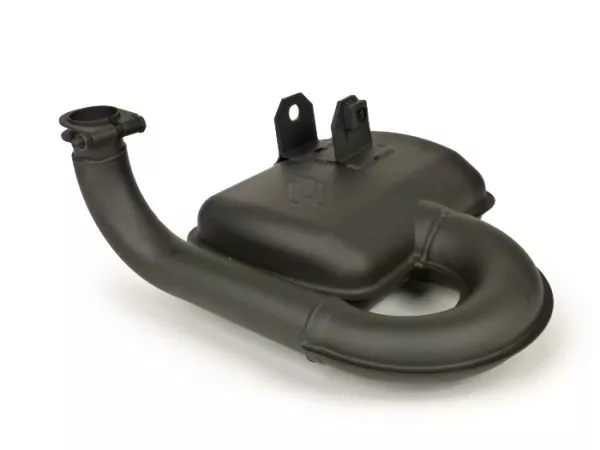
BGM PRO BigBox Touring Exhaust
BGM1010TR2

Compatible with: Vespa Largeframe 125 and 150 2-channel models – VNB1-6, VNS1-6, VNC1T, VNL1-2, VBA1T, VBB1-2, VGLA-B, VLA1T as well as transitional models GTR125 (VNL2T) up to 138956, Sprint150 (VLB1T) up to 105199, and Super150 (VBC1T) up to 328128.
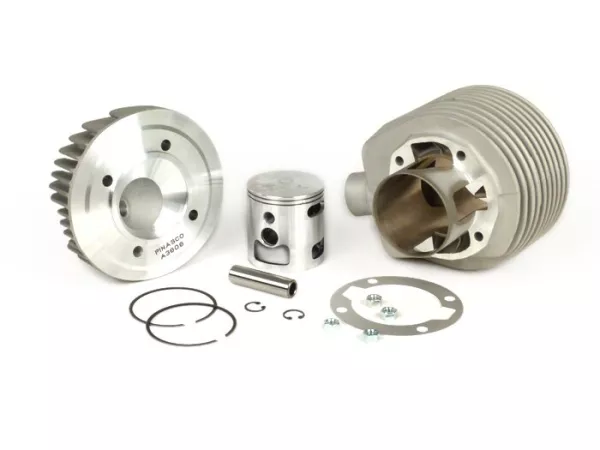
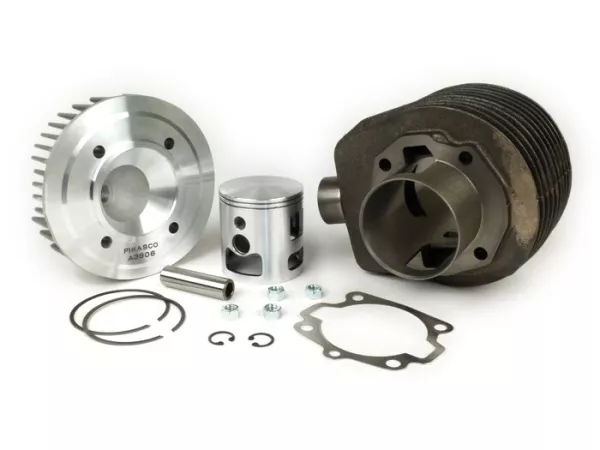
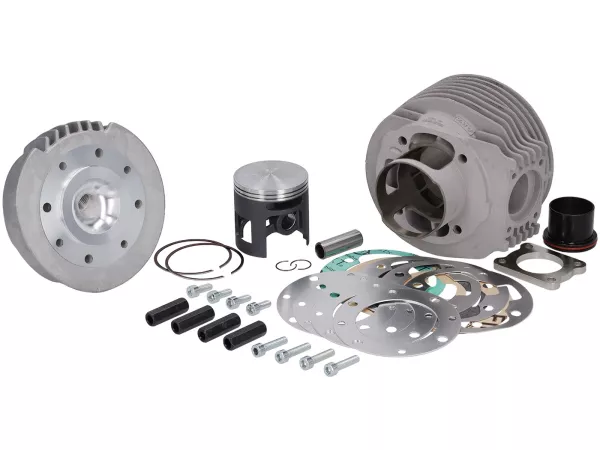
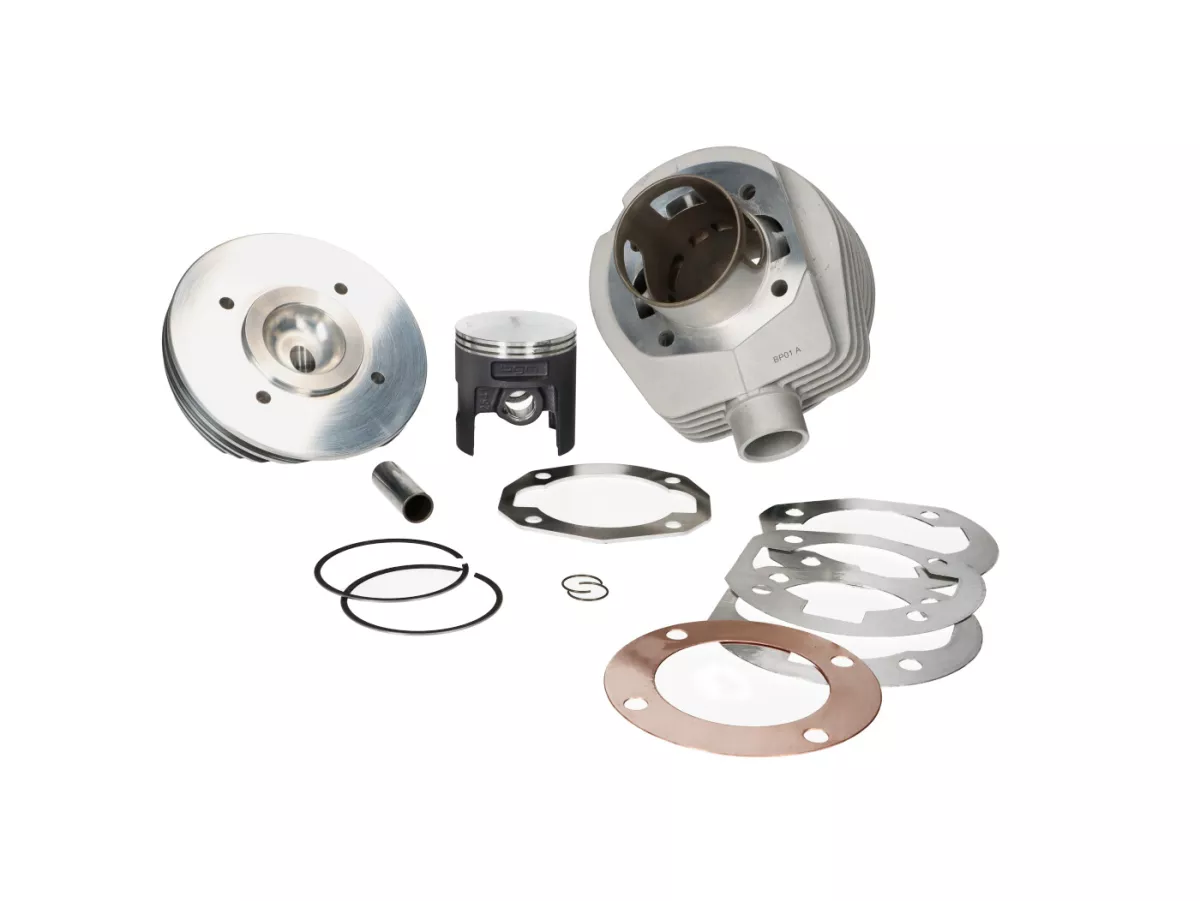
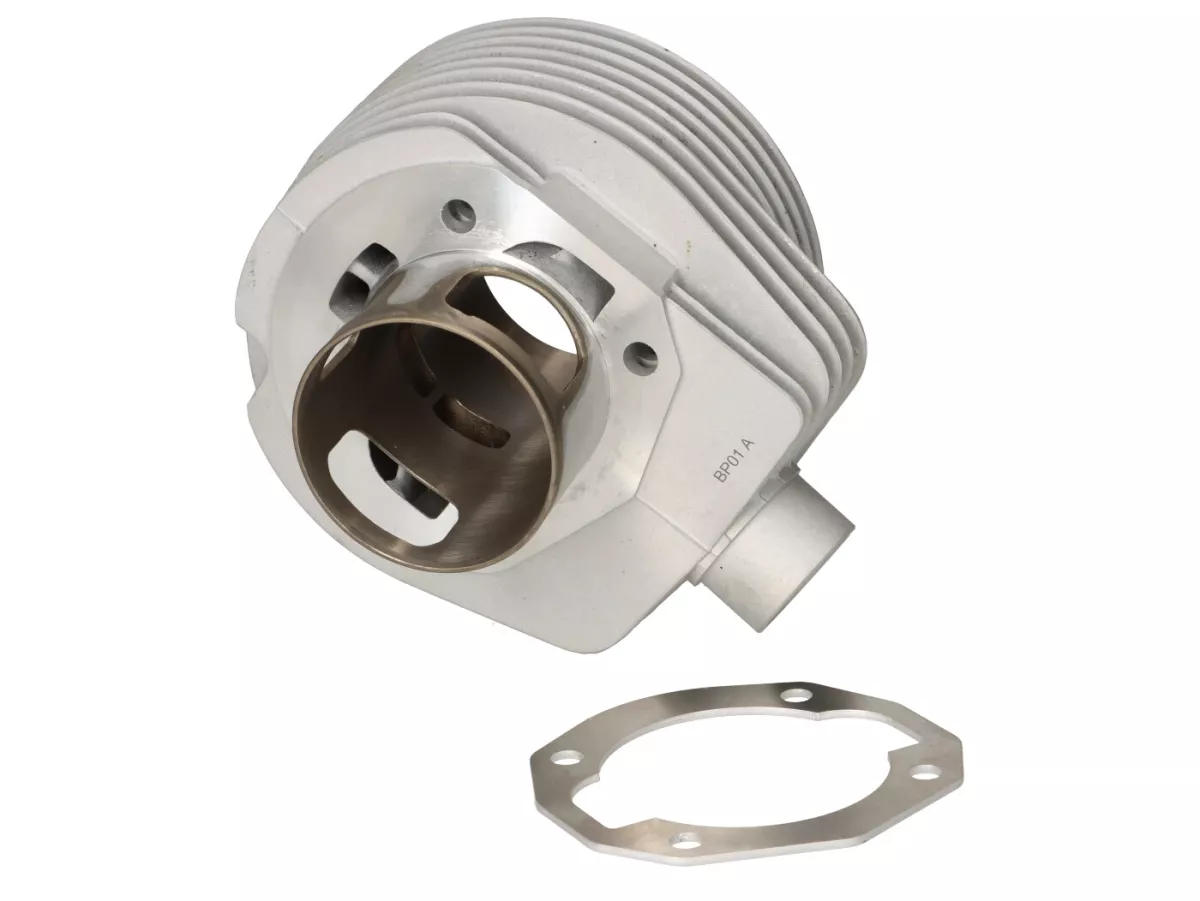
More torque for early Largeframe engines: The BGM PRO 177 is a modern aluminum cylinder with a Nikasil coating for Vespa 125 and 150 cm³ models, featuring two overflow channels. The design combines early thrust, a wide usable RPM range, and stable temperature control—ideal for everyday use, touring, and discreet, high-performance setups.
177 cm³ aluminum Nikasil 2-channel engine block Meteor piston CNC cylinder head Optional 187 cm³
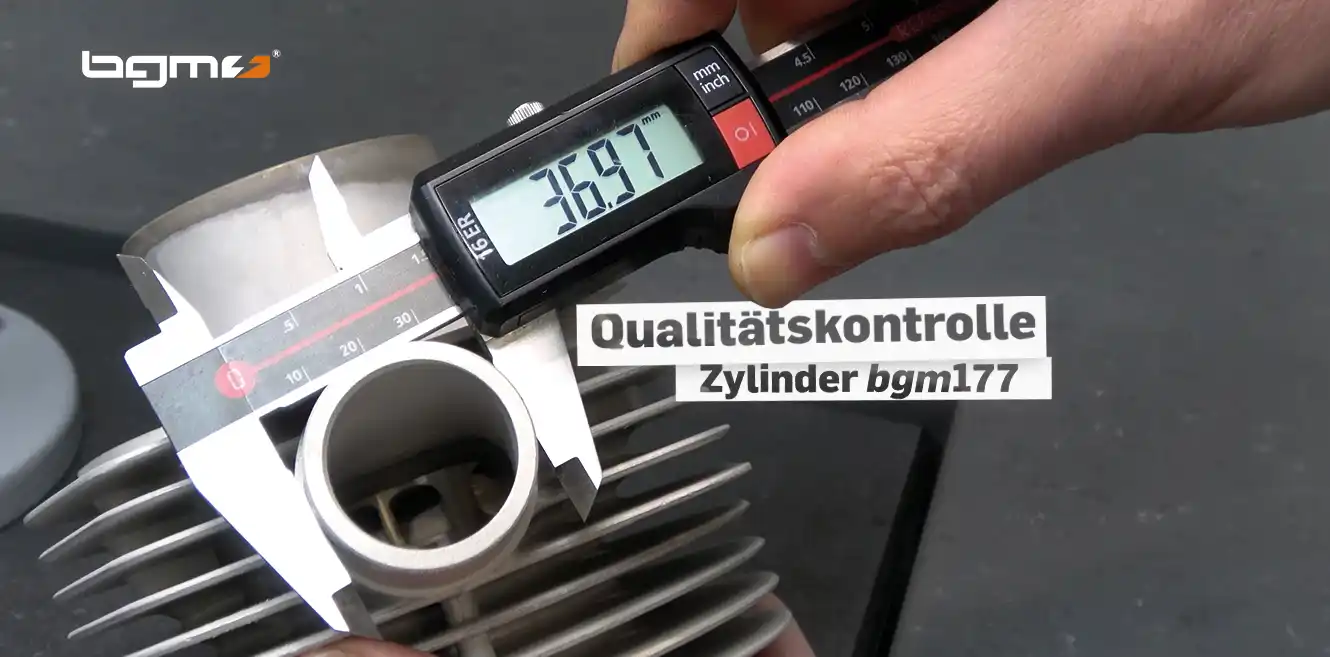
Video about the BGM PRO 177 and its use on early Vespa large-frame engines with 2-channel engine cases.
| Cylinder material | Aluminum, hard-coated Nikasil raceway |
|---|---|
| Design | 2-channel for early Vespa large-frame engine cases |
| Bore | Ø63 mm |
| Stroke | 57–60 mm |
| Displacement | 177 cm³ at 57 mm stroke / 187 cm³ at 60 mm stroke |
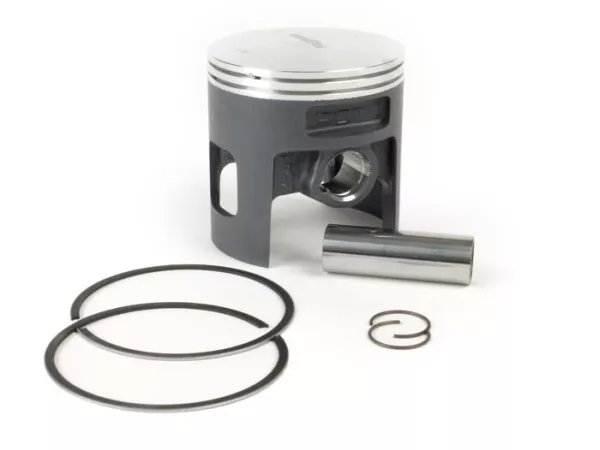
| Piston | Meteor, cast piston with high silicon content, two 1-mm piston rings |
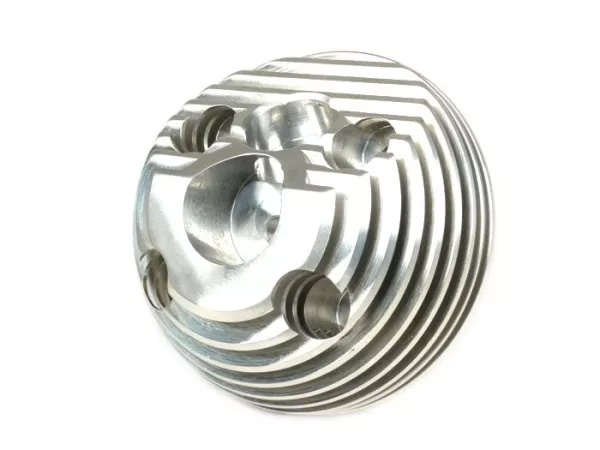
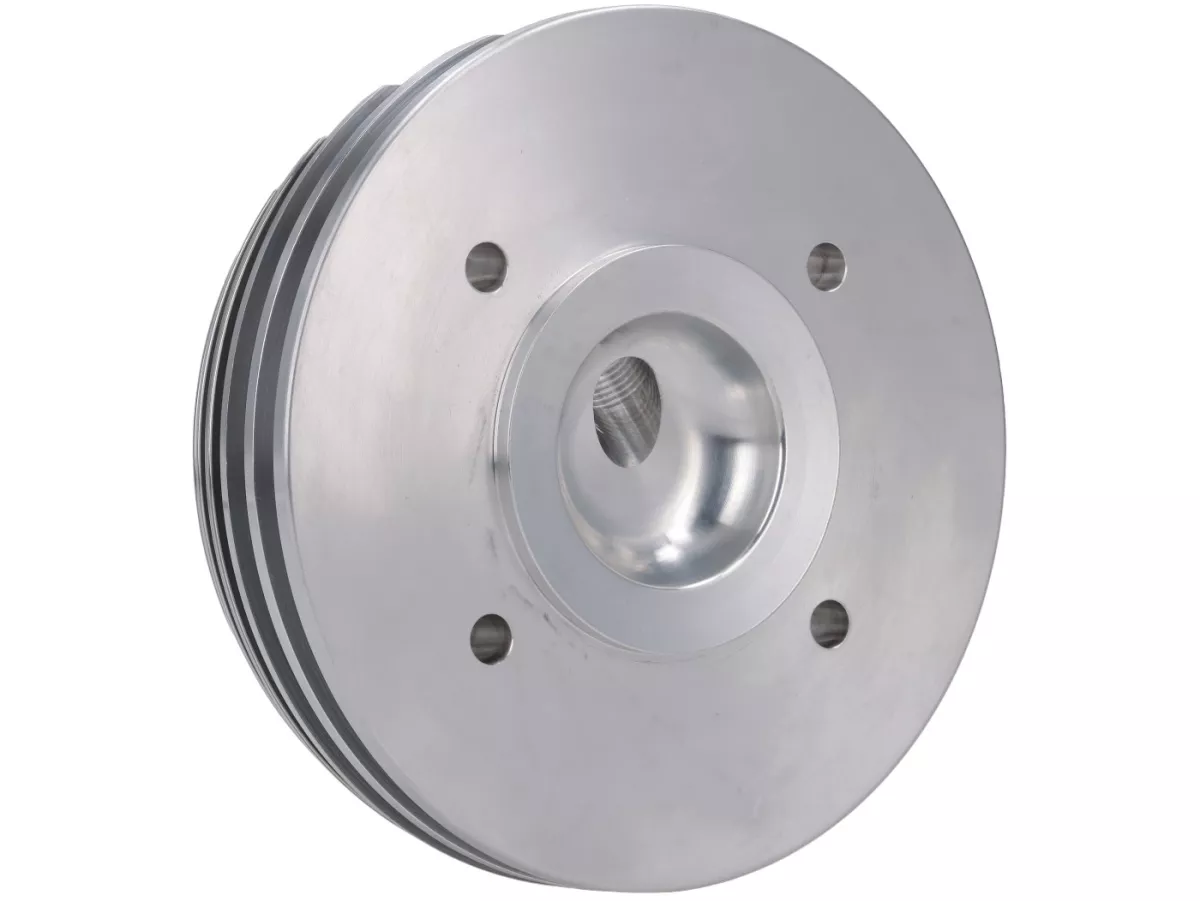
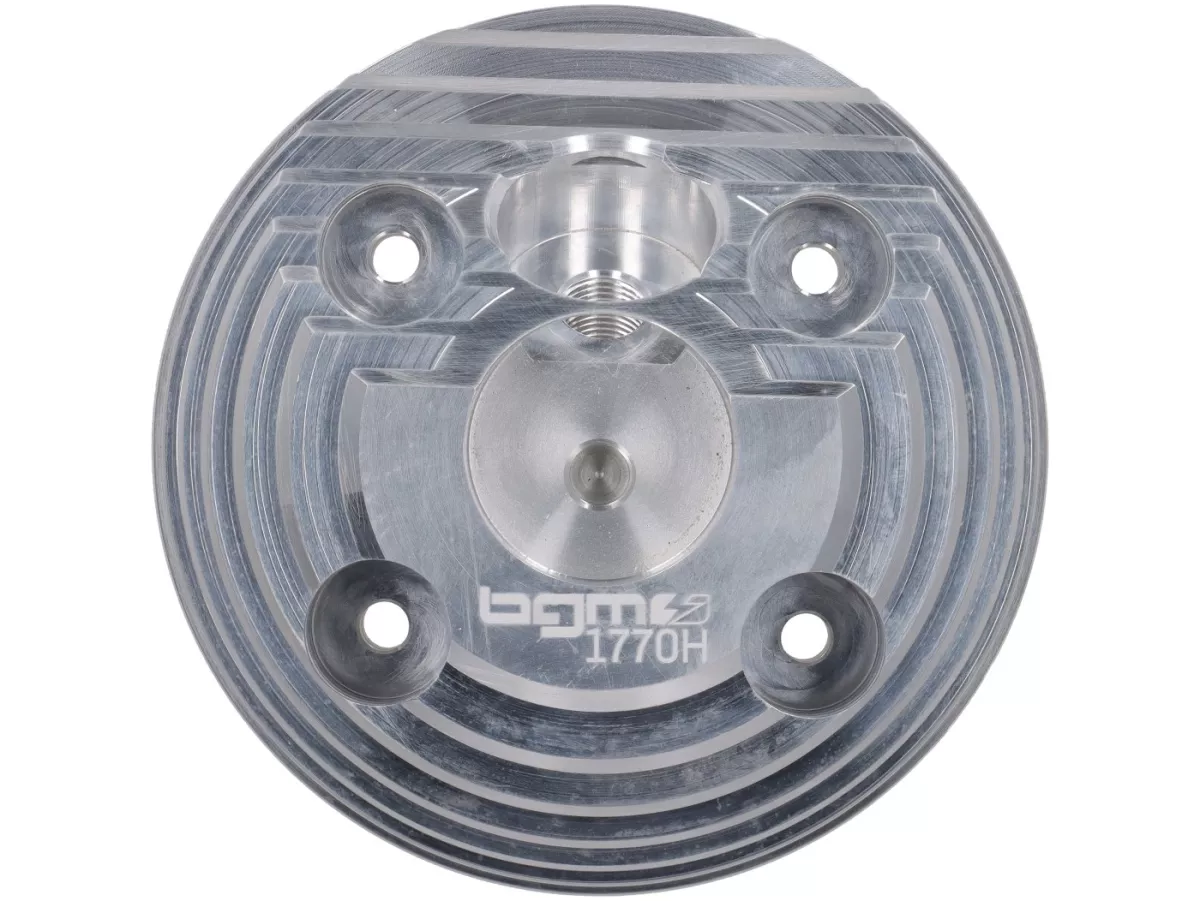
| Cylinder head | CNC-milled, tightly sealed combustion chamber, sensor thread |
| Applications | Everyday use, touring, and tunable setups |
Many early Vespa 125- and 150-cm³ large-frame engines have only two overflow channels. This version of the BGM PRO 177 is designed specifically for these engine cases. This allows a modern aluminum cylinder to be used effectively even on older engine generations without having to switch to a later 3-channel case.
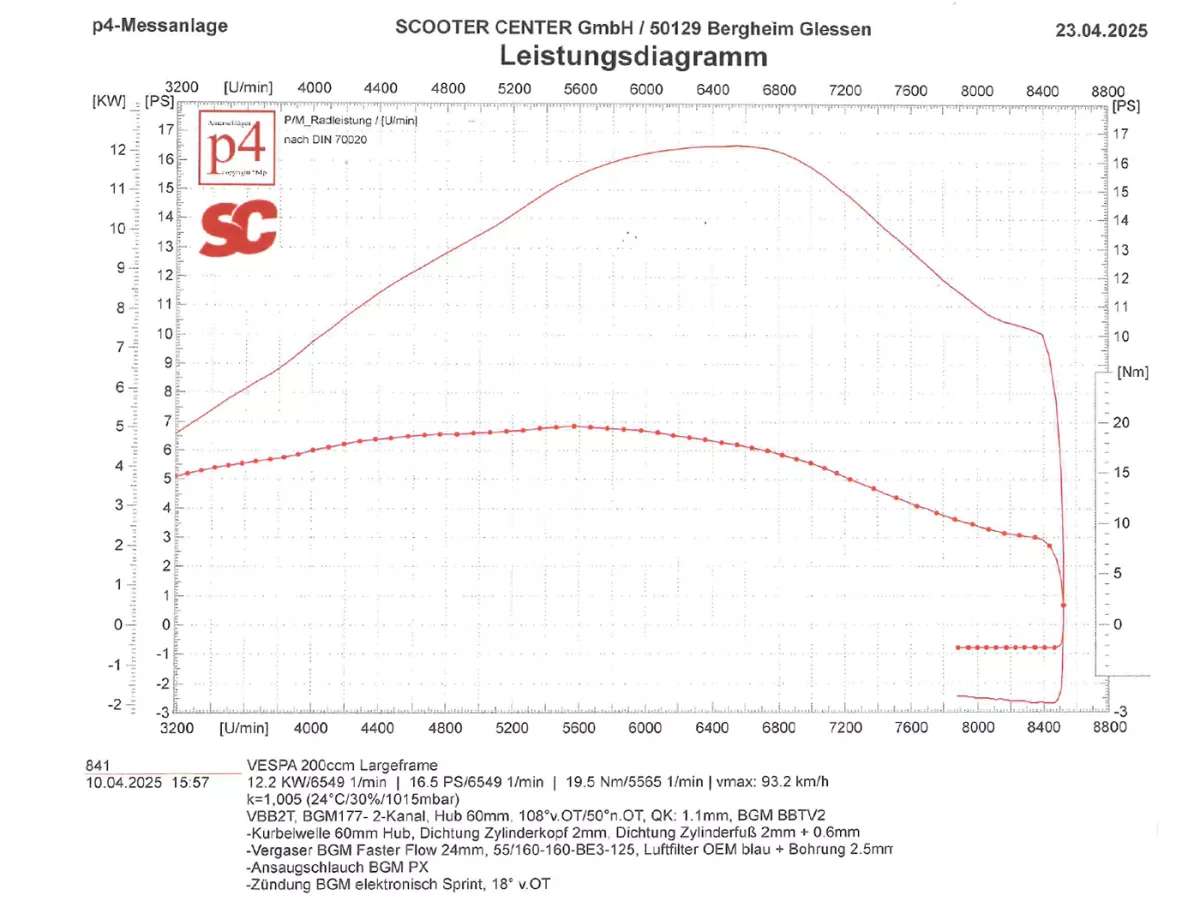
The focus is not on peak power, but on torque that kicks in early and is widely usable. This is a perfect match for classic street scooters that are meant to be ridden with confidence in city traffic, on country roads, and on longer tours.
Aluminum transfers combustion heat to the cooling fins significantly faster than a traditional gray cast iron cylinder. The hard-coated Nikasil bore surface serves as the actual sliding surface for the piston and piston rings.
This combination is particularly advantageous for touring: The engine quickly reaches a stable operating state and can effectively dissipate heat to the surroundings during prolonged operation. Of course, this requires proper carburetion, ignition, and a compression edge.
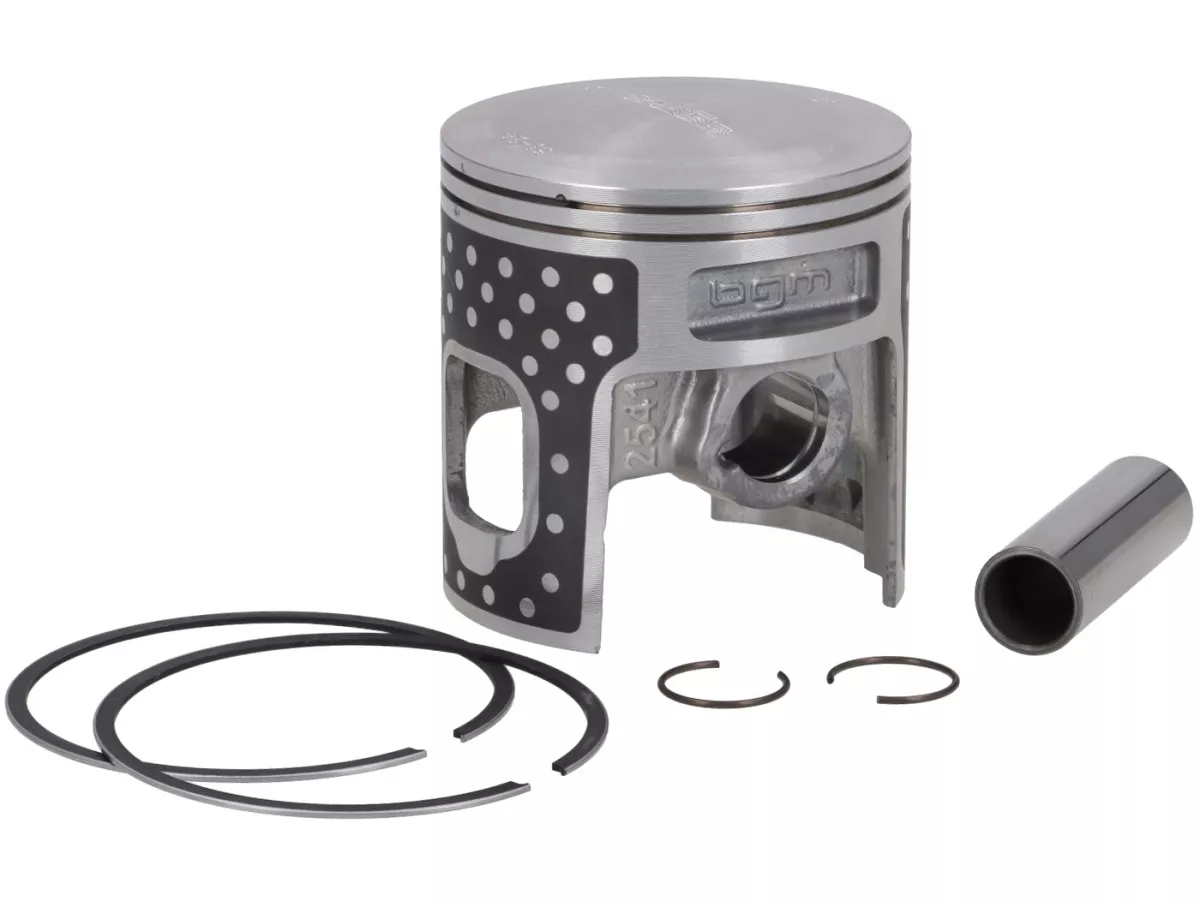
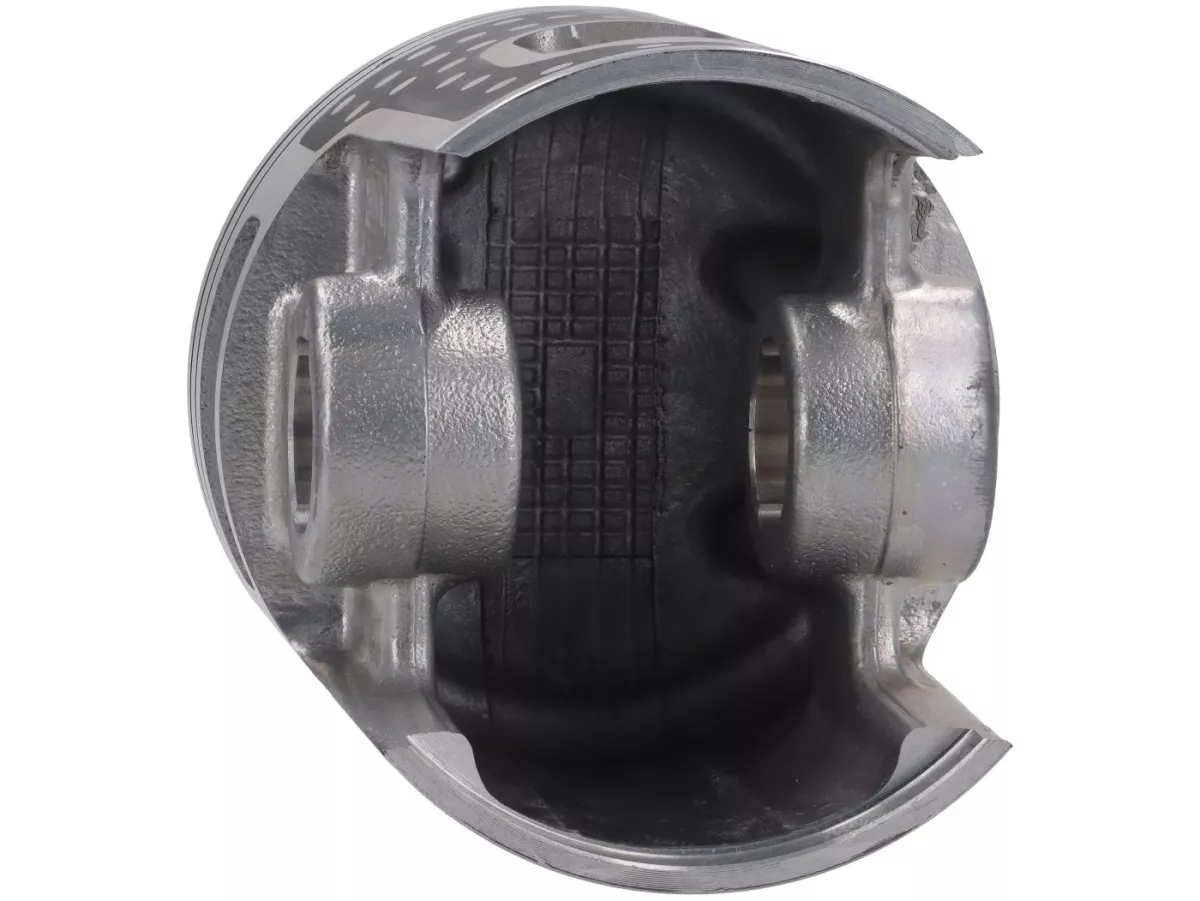
The BGM PRO 177 uses a Meteor piston with two narrow 1-mm piston rings. The design combines a field-proven piston base with low ring mass and smooth operation in the Nikasil bearing surface.
The piston design has been further refined. A new feature is a dot-shaped Oil-Dot coating on the piston skirt, specifically in the piston’s guiding area.
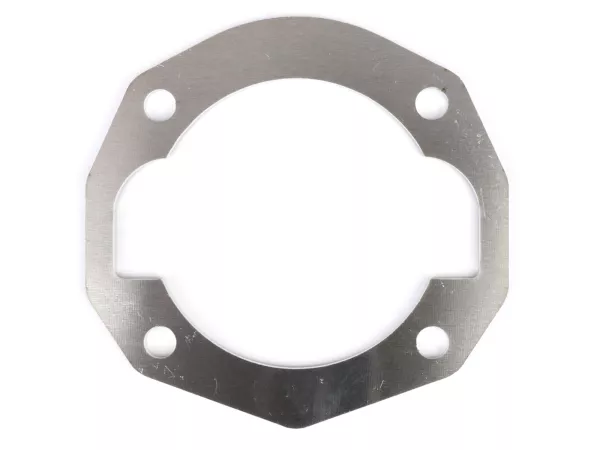
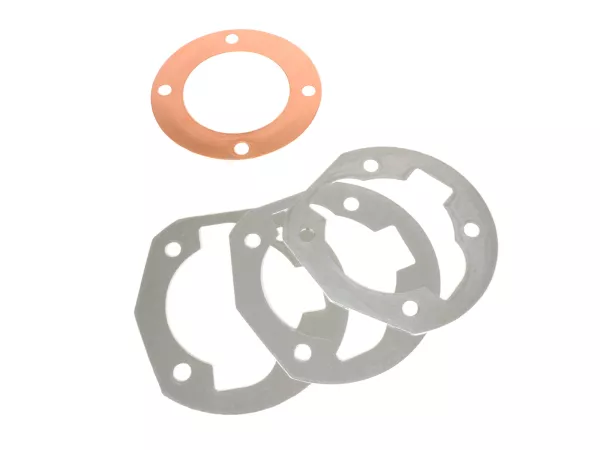
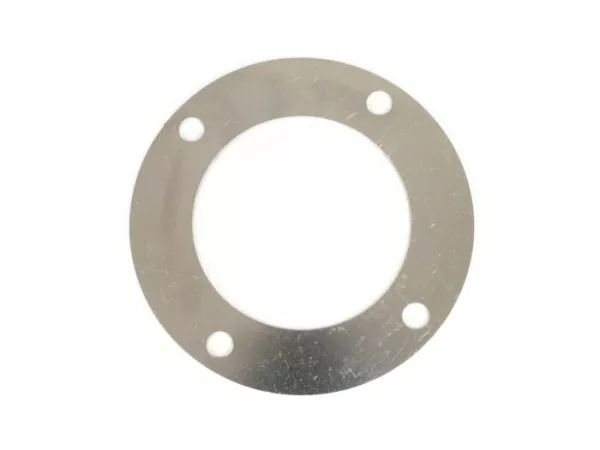
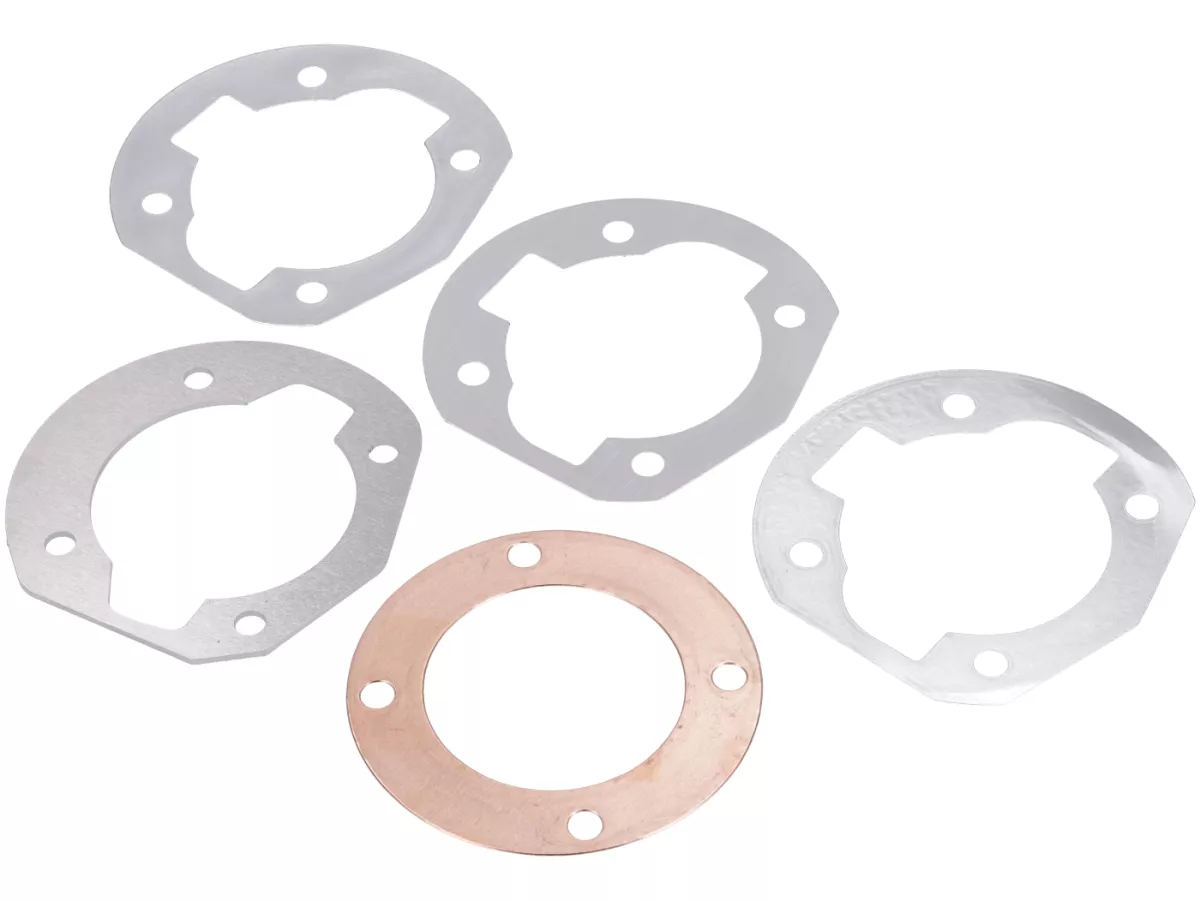
The included cylinder head is CNC-milled and matched to the cylinder’s geometry. The correct squish edge is crucial for consistently smooth operation It should always be actually measured during assembly and not determined solely by the nominal gasket thickness.
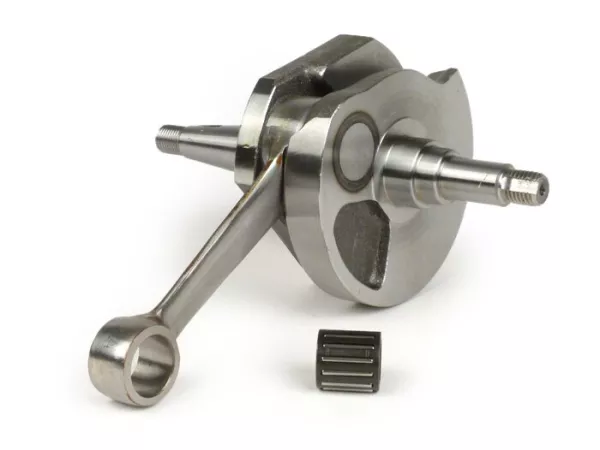
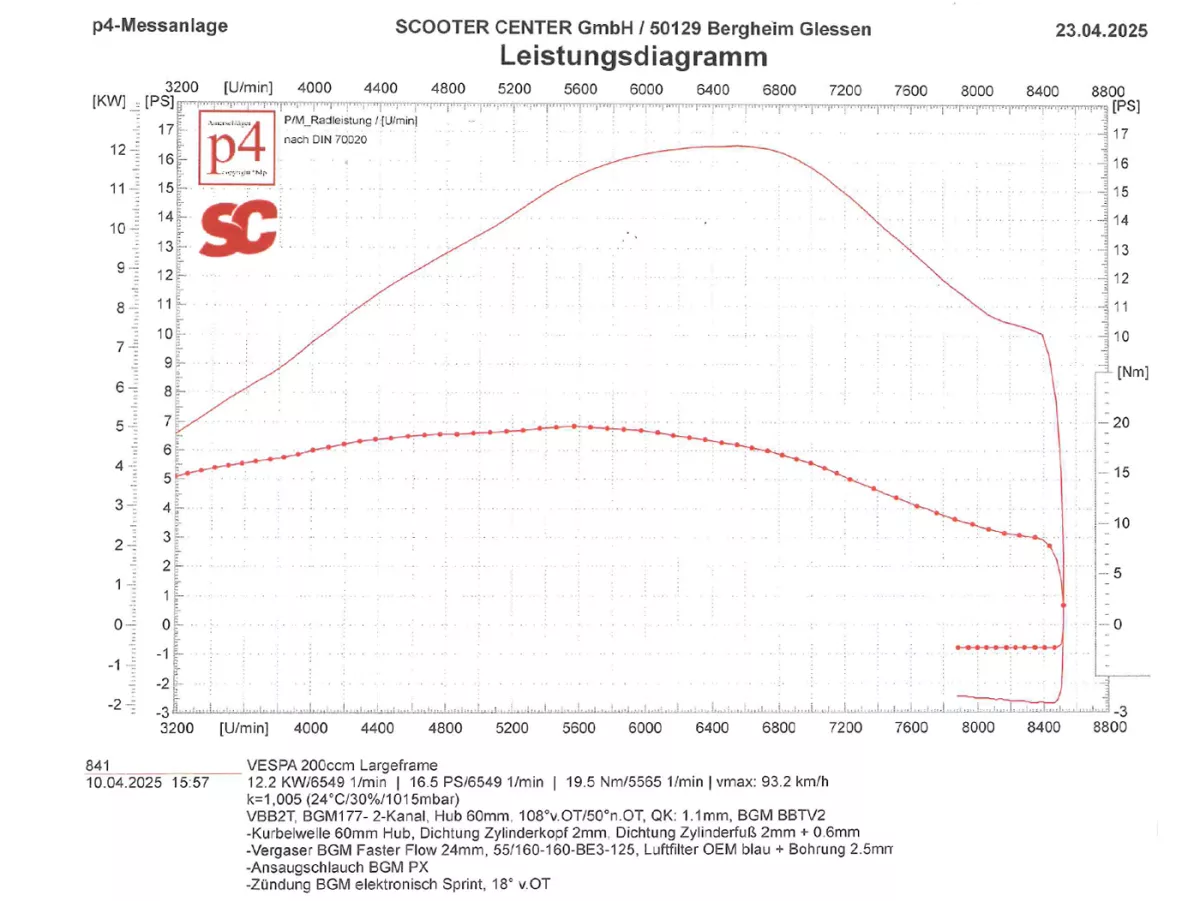
The cylinder can also be operated with a 60-mm crankshaft. A 63-mm bore and 60-mm stroke result in approximately 187 cm³. The additional stroke increases the displacement and simultaneously alters the valve timing.
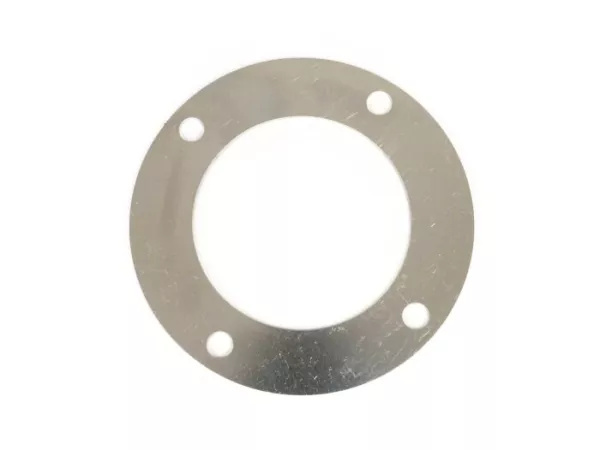
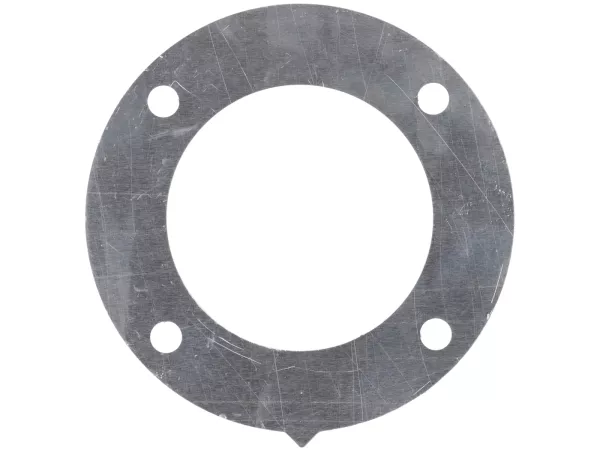
During the conversion, the cylinder position, compression edge, and valve timing must therefore be rechecked and, if necessary, adjusted using appropriate gaskets or spacers.
Selected for early 2-channel large-frame setups as a solid foundation for touring and stable tuning.
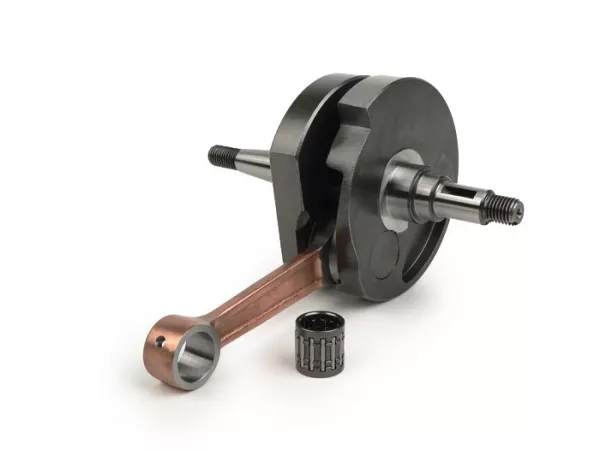
BGM1010TR2
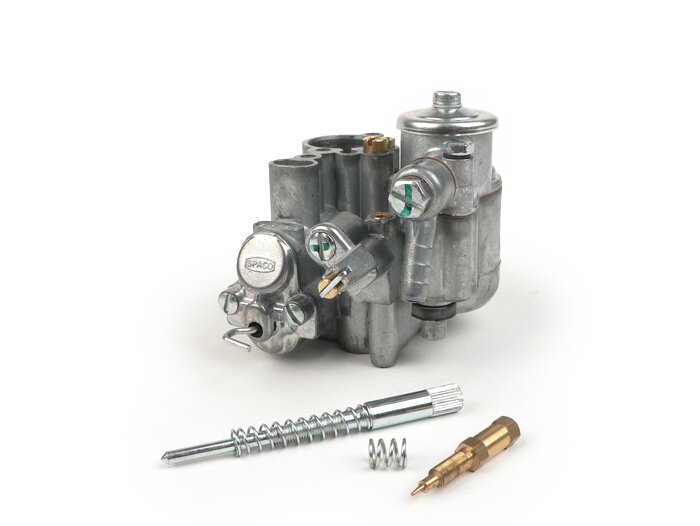
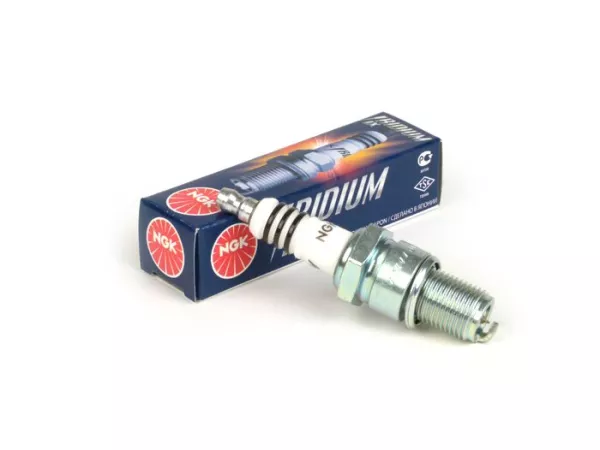
BGM8570
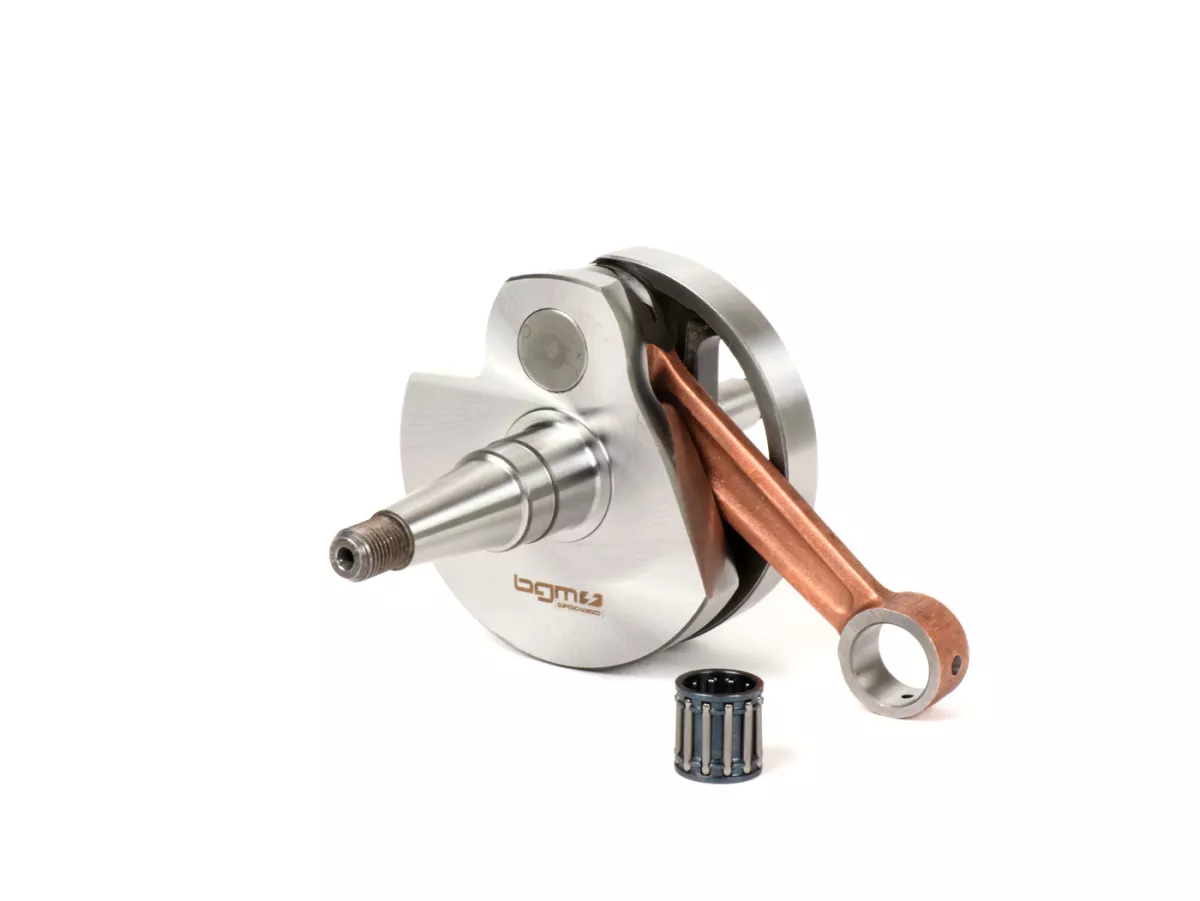
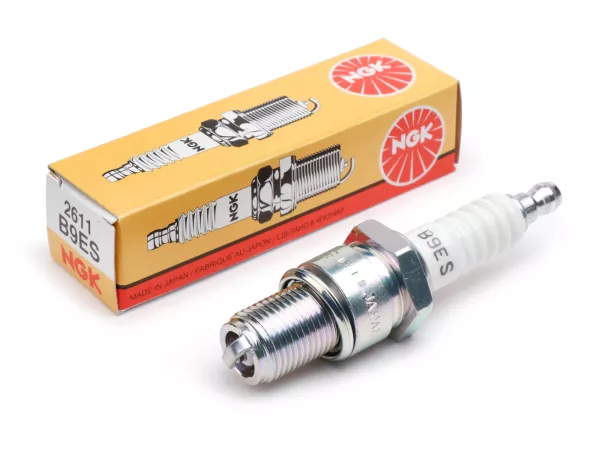
BGM031121G
General rule: Compatible with Vespa 125 and 150 cm³ models with 2 overflow channels. For the GTR125, Sprint150, and Super150, there was a switch to a 3-channel system. For these models, the 2-channel version is only compatible up to the specified chassis numbers.
The BGM PRO 177 is the everyday-ready performance upgrade for early 2-channel large-frame engines: more torque, a broad usable power band, and a modern aluminum cylinder with a Nikasil bore. With proper tuning, the result is a smooth, powerful touring engine that also serves as a solid foundation for further upgrades, up to a 60 mm stroke and approximately 187 cm³.