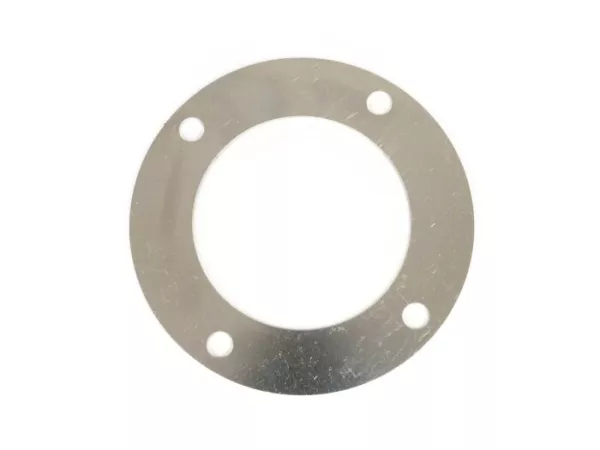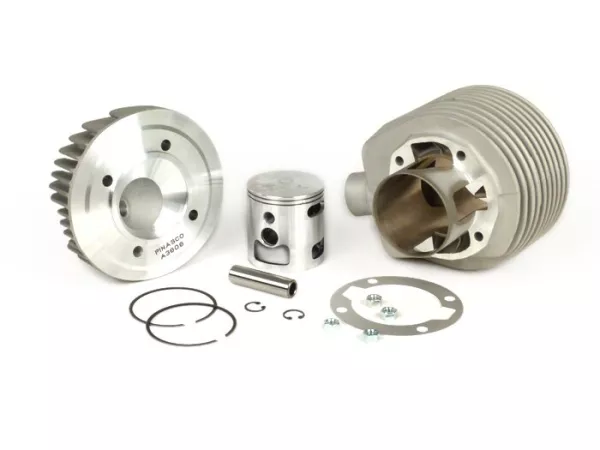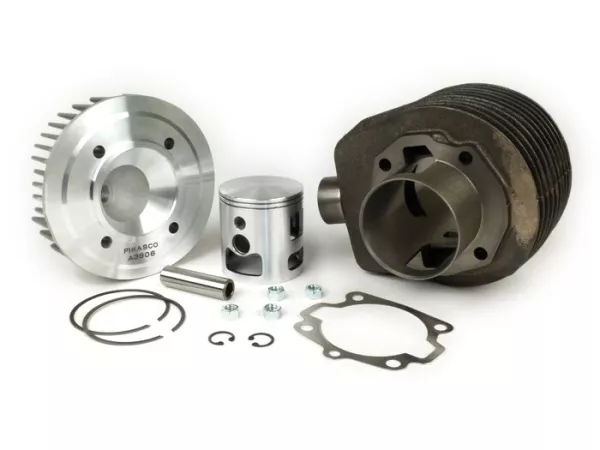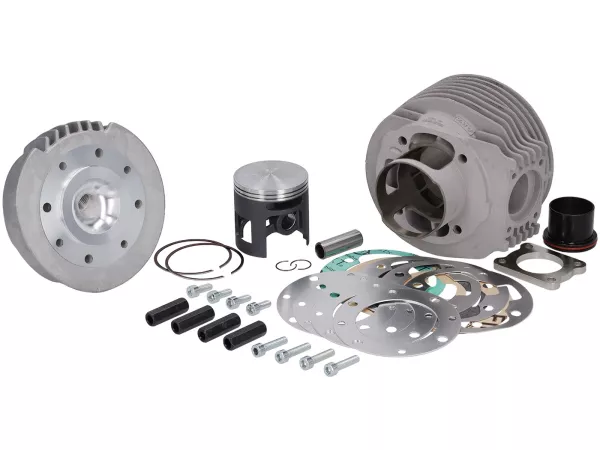
BGM PRO Item number: BGM1770T2
BGM PRO
Aluminum and Nikasil
Stable temperature balance for everyday use and touring.
More torque
Early thrust and wide band, good for touring.
Designed for 2-channel
Suitable for older 125 and 150 engine cases.
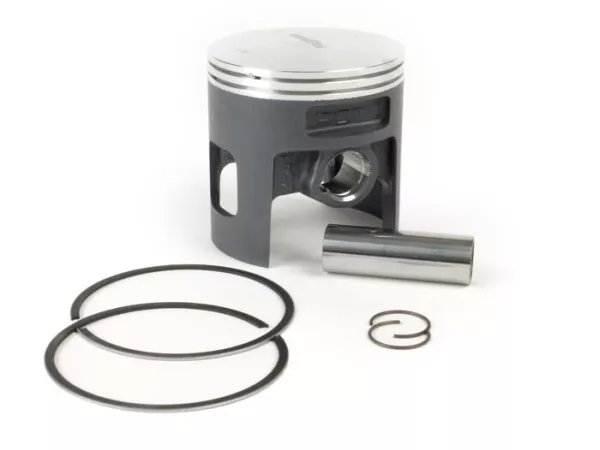
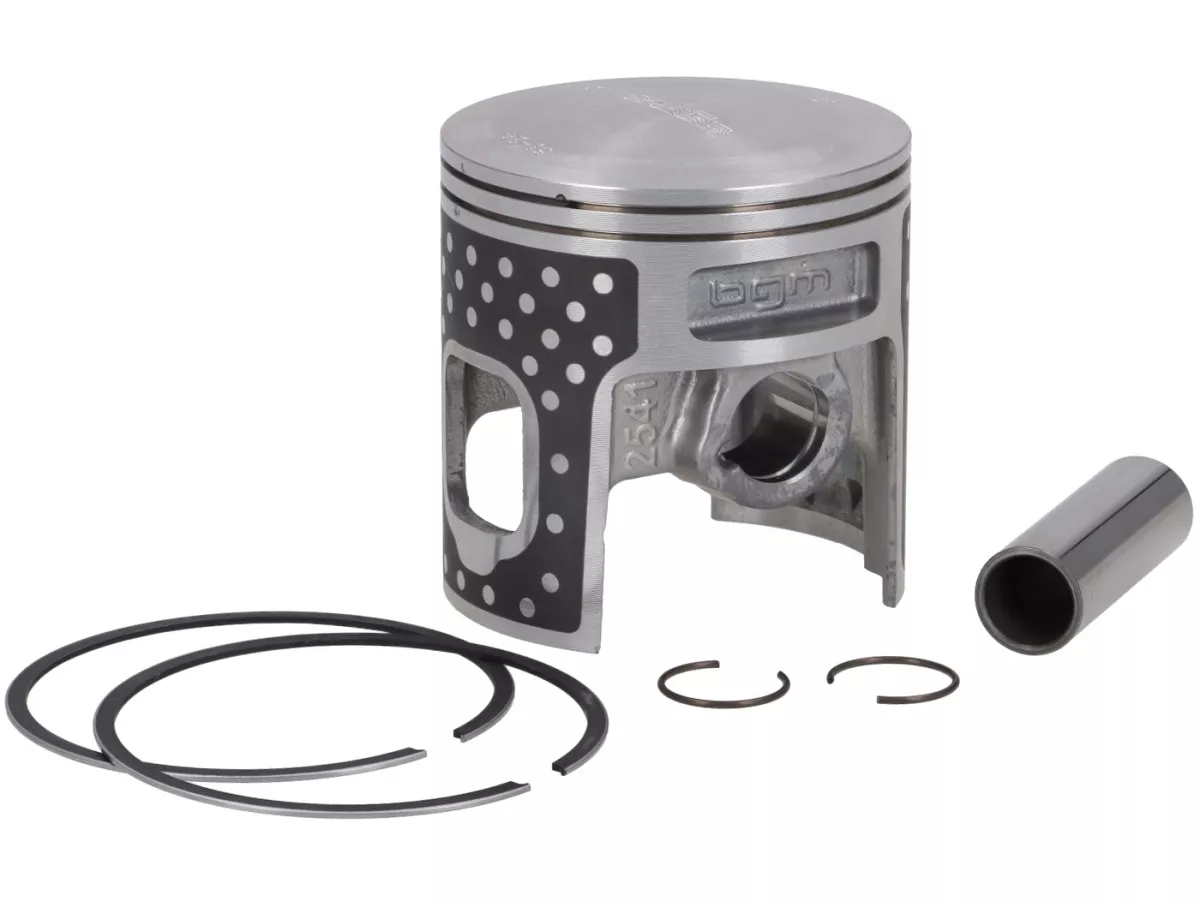
Meteor piston
Two 1 mm rings, tried and tested piston base.
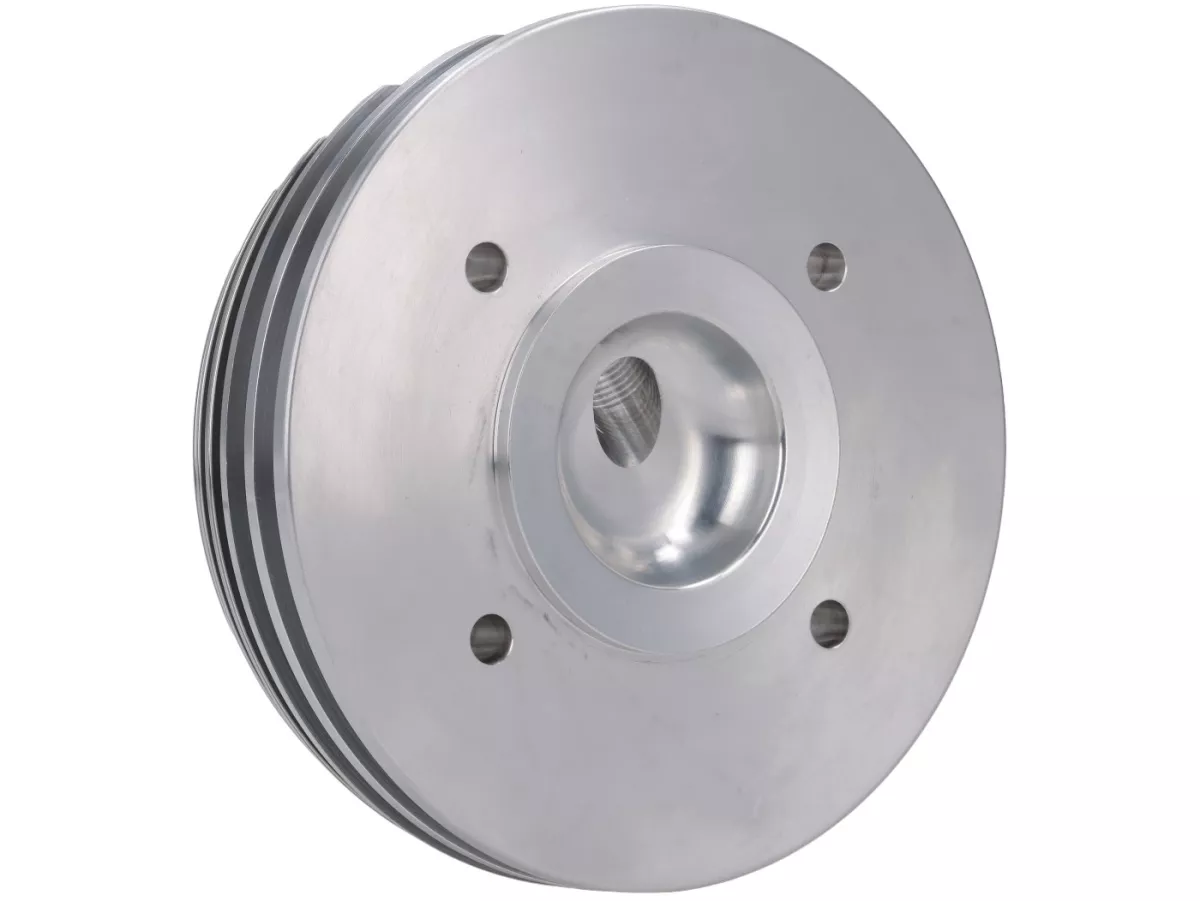
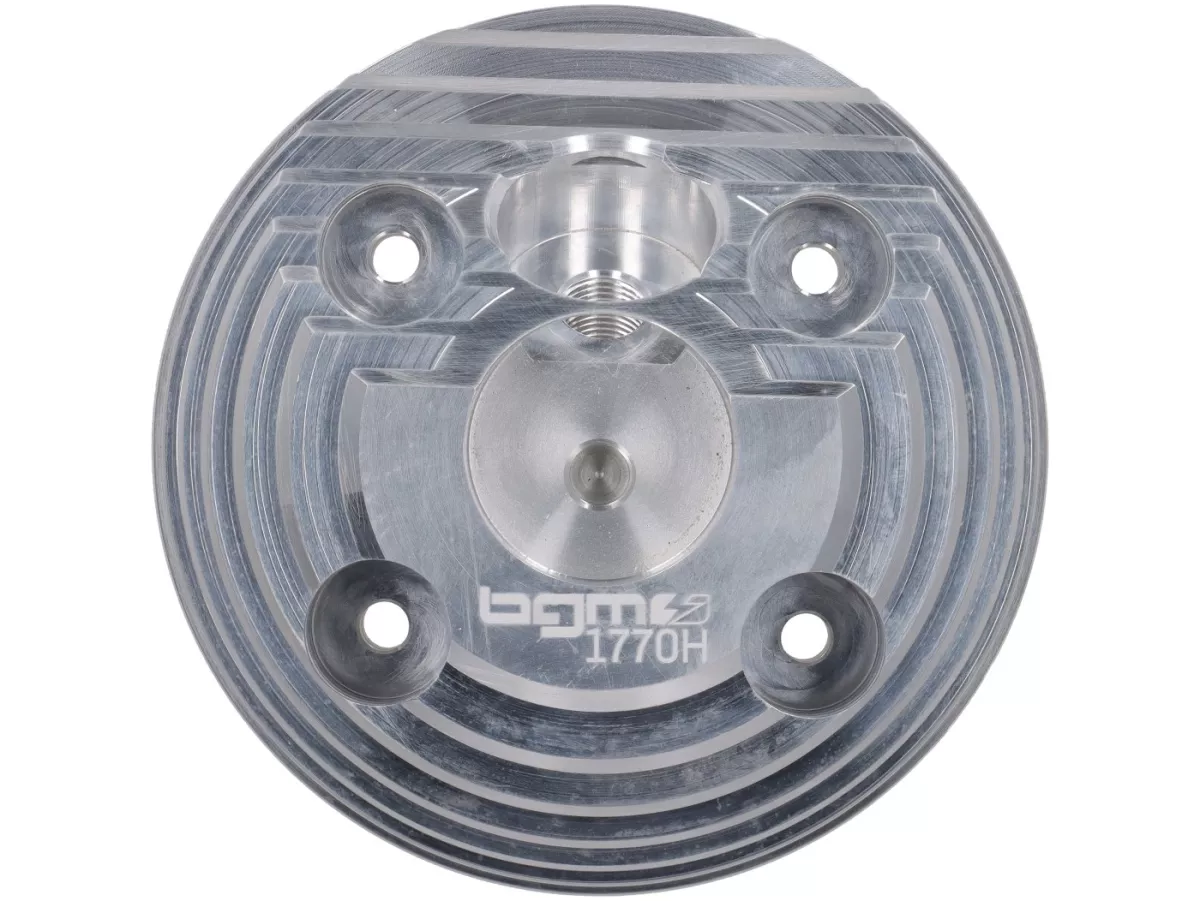
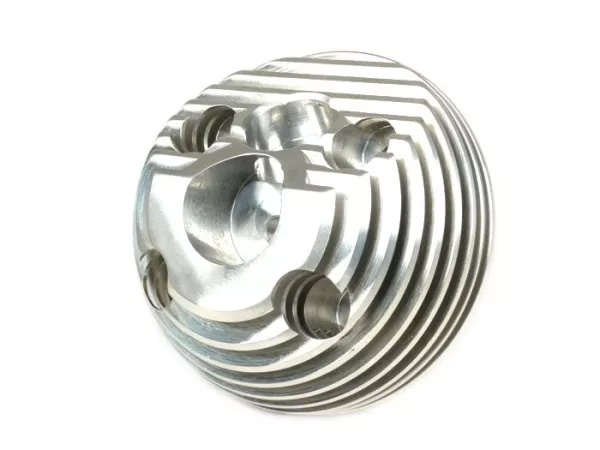
CNC cylinder head
Clean sealing and easily adjustable pinch edge.
Option 187 cm³
Possible with 60 mm stroke, setup remains expandable.
369,00 €*
not available
Shipping weight 2,91 kg

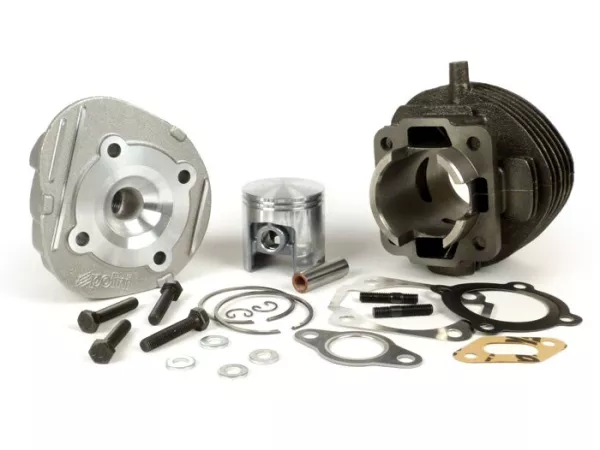
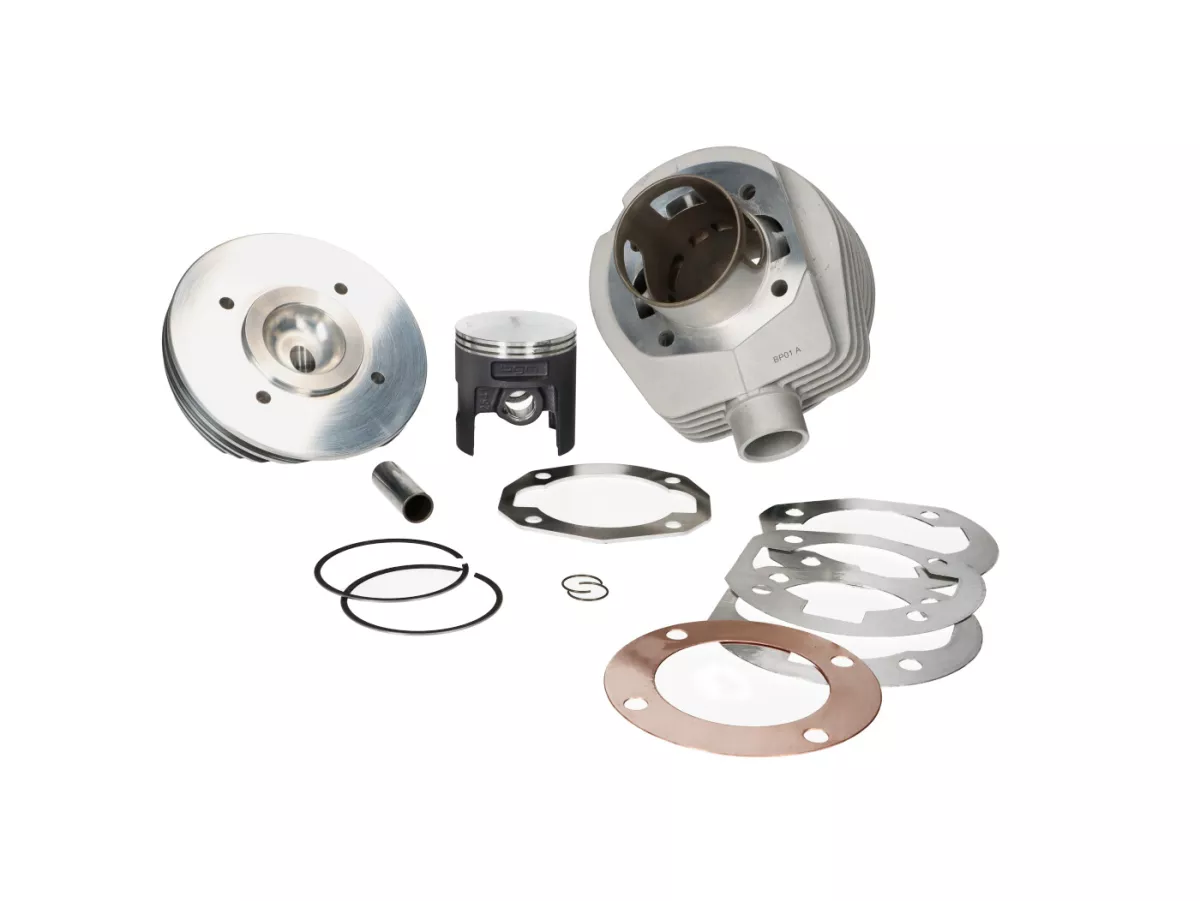
BGM PRO 177 Cylinder - Vespa 125-150 cm³ (2-channel) | early Largeframe models 1958-1979

Compatible: Vespa Largeframe 125 and 150 2-channel - VNB1-6, VNS1-6, VNC1T, VNL1-2, VBA1T, VBB1-2, VGLA-B, VLA1T as well as transition models GTR125 (VNL2T) up to 138956, Sprint150 (VLB1T) up to 105199, Super150 (VBC1T) up to 328128

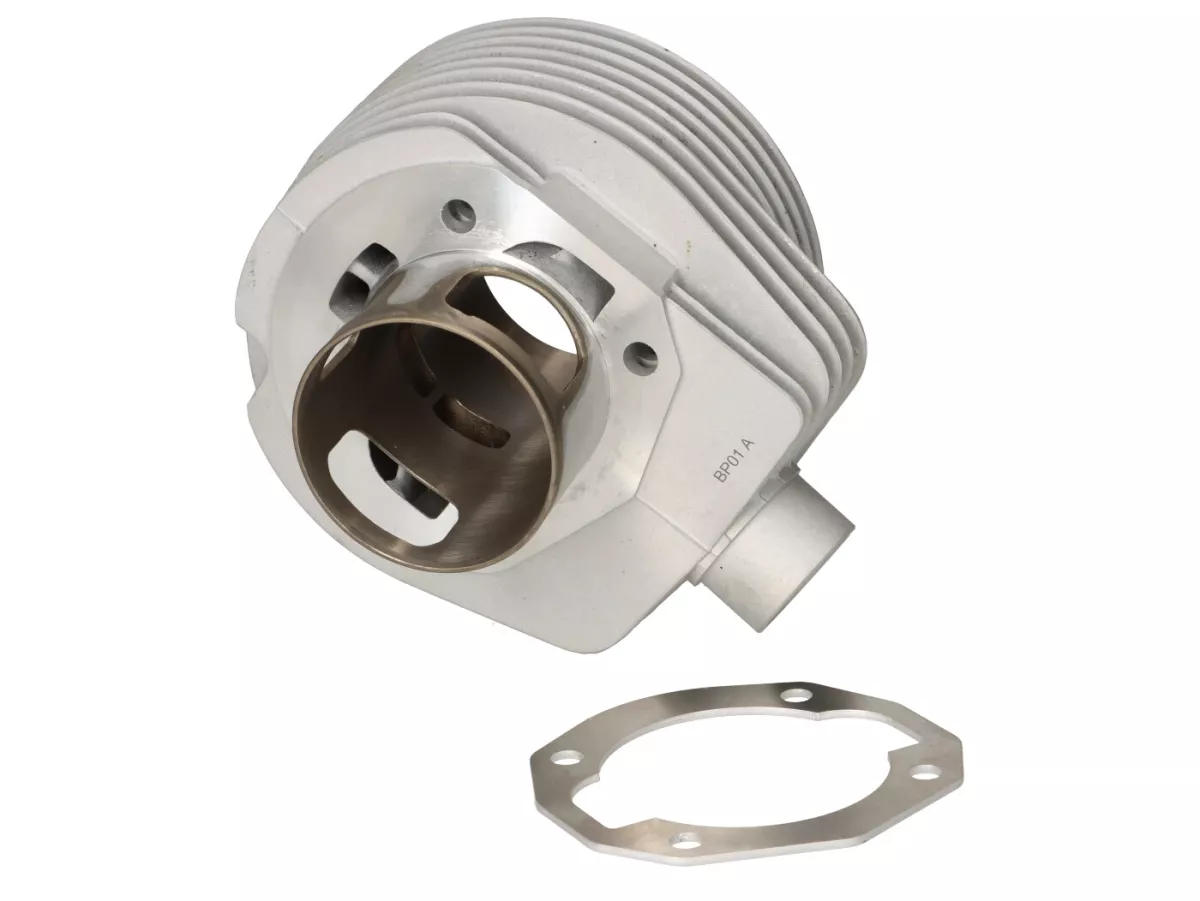
More torque for the early engines: The BGM PRO 177 is a thermally stable aluminum cylinder for Vespa Largeframe 125 and 150 cm³ with two overcurrent channels (2-channel). Ideal as an everyday touring upgrade with a wide band - cleanly tunable, suitable for long distances and a robust basis for later setups.

177 cm³ aluminum, Nikasil 2-channel motor housing Plug-and-play setup possible CNC cylinder head Touring and tuning Optional 187 cm³

Advantage Description
Reliable in everyday use Stable heat balance thanks to aluminum and Nikasil
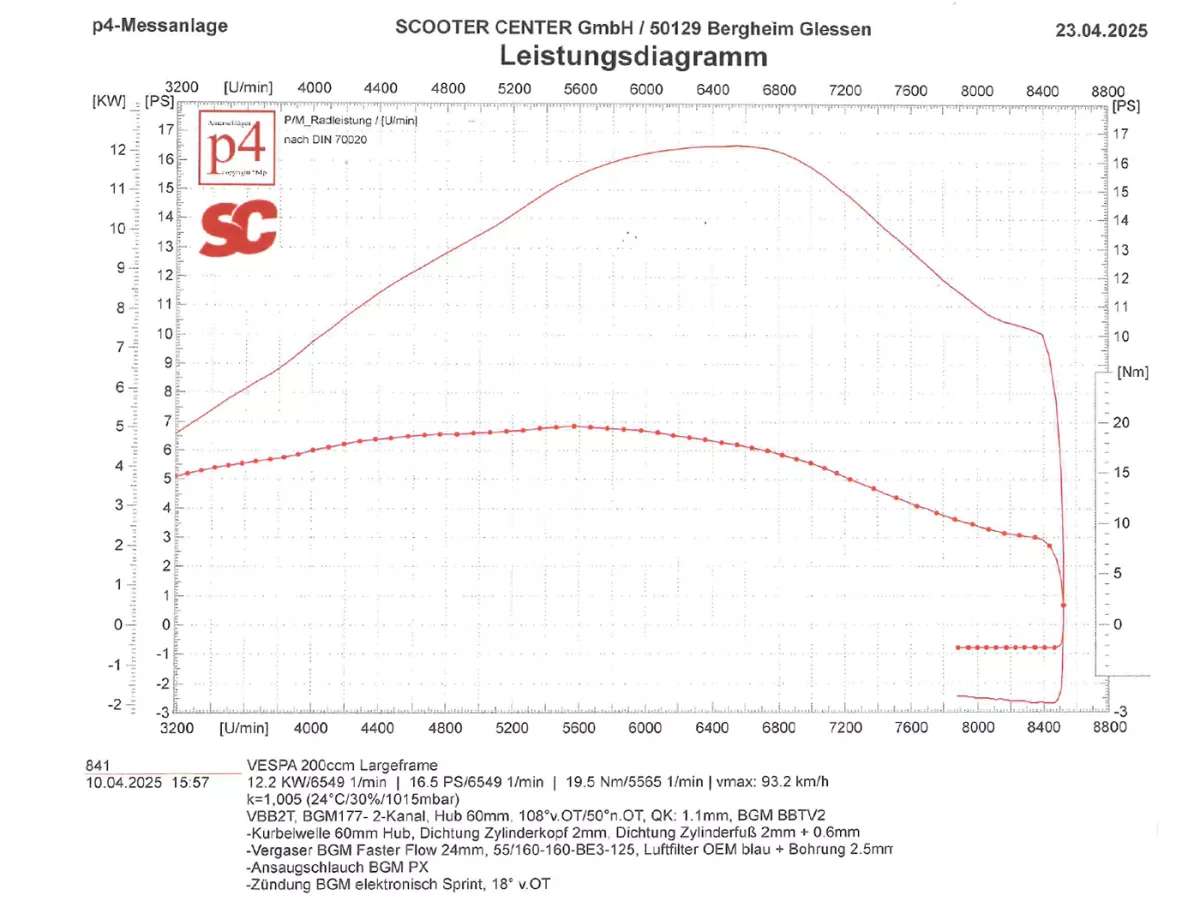
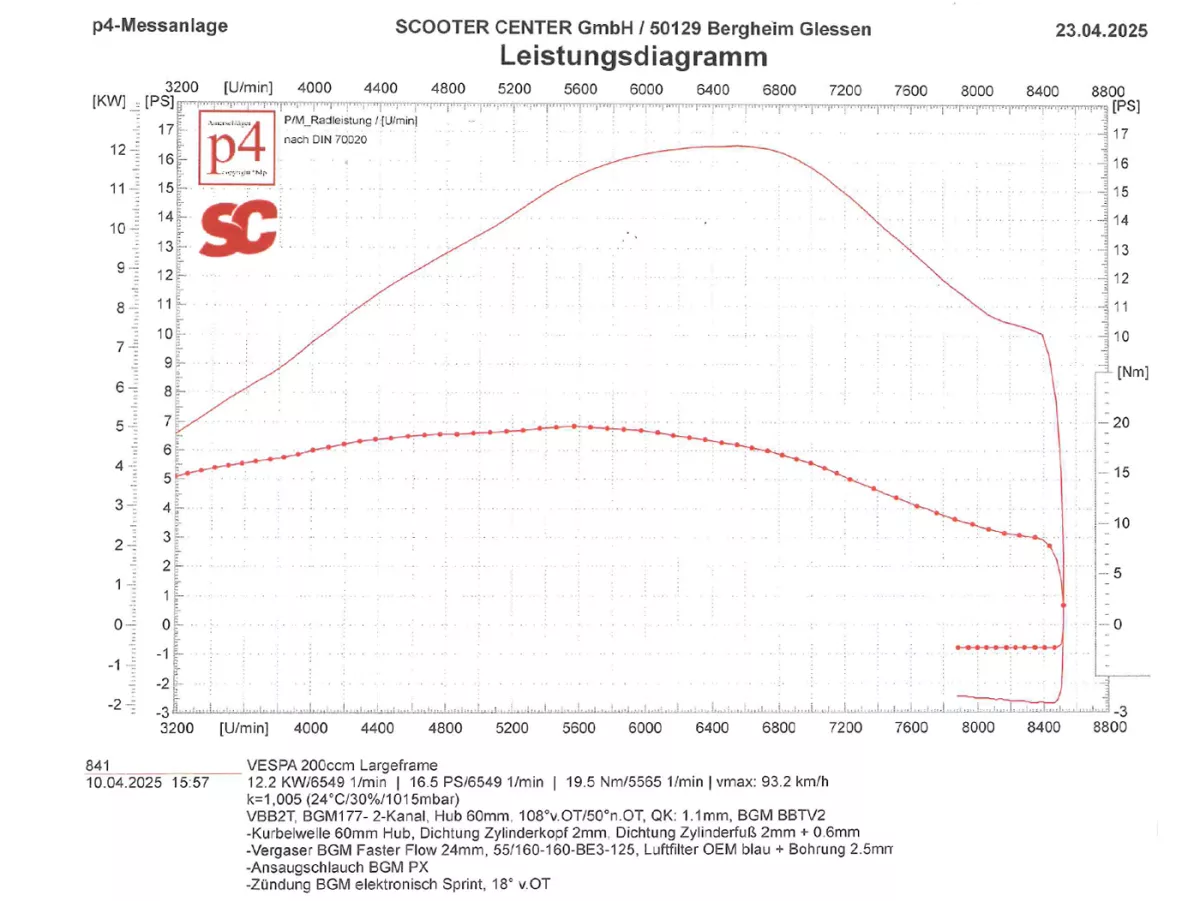
Noticeably more torque Very rideable on tour, even with an inconspicuous box system
Suitable for 2-channel Designed for older motor housings with two overcurrent channels
Optional 187 cm³ Possible with 60 mm stroke, timing increases moderately

Technical highlights

Cylinder material Aluminum, hard-coated (Nikasil)
Ducts 2-channel design for early large-frame engine housings
Bore / stroke Ø 63 mm / 57-60 mm
Displacement 177 cm³ (57 mm) / 187 cm³ (60 mm)
Piston Meteor, cast iron, high silicon content, two 1 mm rings
Cylinder head CNC-milled, clean-sealing combustion chamber, sensor thread

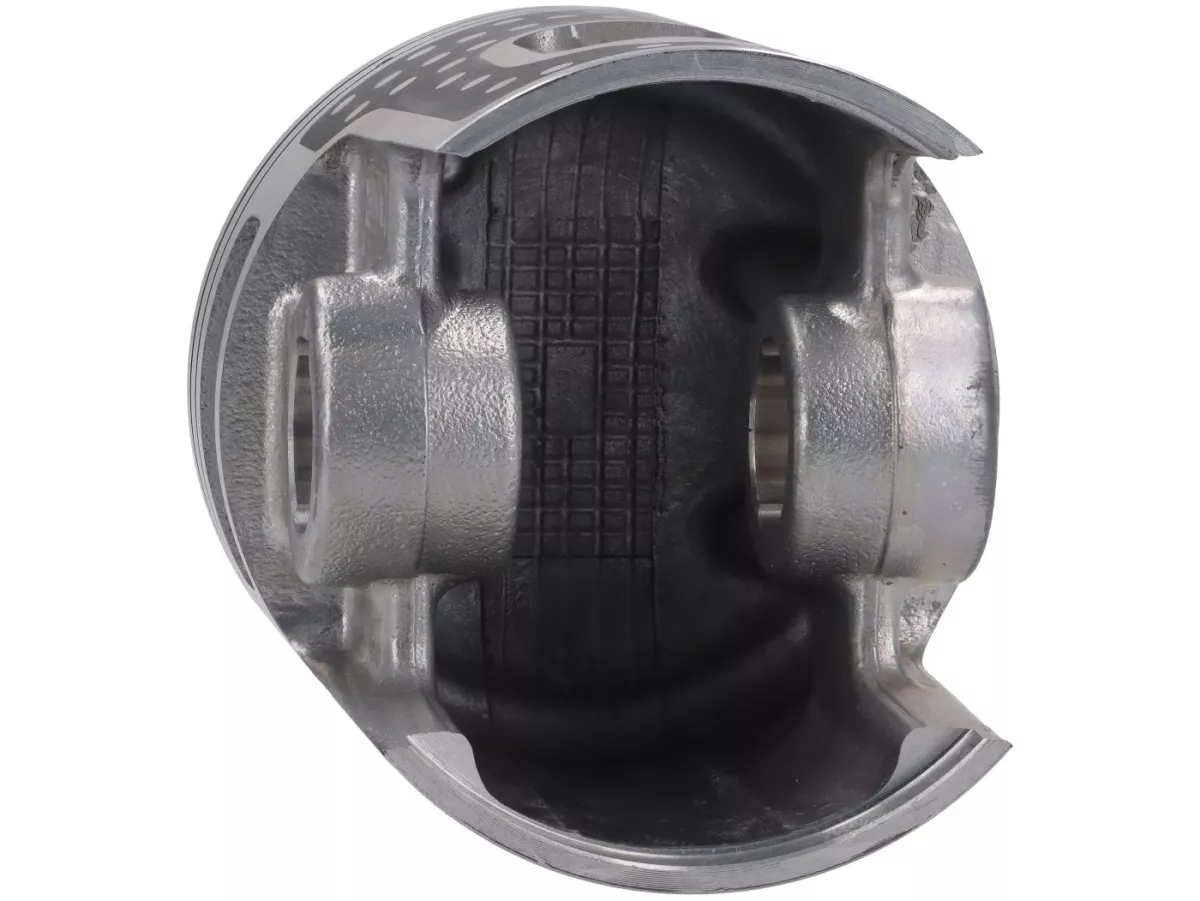
Info: New Meteor piston with "Oil-Dot" coating on the piston skirt

The piston is still from Meteor, but the design has been revised. A new feature is a dot-shaped "oil dot" coating on the piston skirt (guide area in the cylinder).

Keeping oil instead of wiping it off: dot structure as small pockets for a more stable oil film.
Less friction and more reserve: Supports short-term oil film breakage and reduces the risk of sticking.
Smoother cold running: Can reduce piston skipping and cold start noises.
Appearance changes: Partial wear on contact surfaces is normal, a clean running pattern is crucial.
Practical tip: Do not grind. Run in cleanly and adjust the setup (mixture, jetting, ignition) correctly.

Practical tips (SC) - especially for early 2-channel engines

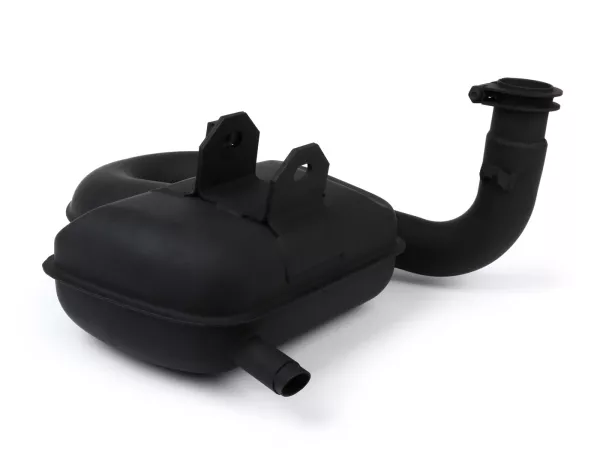
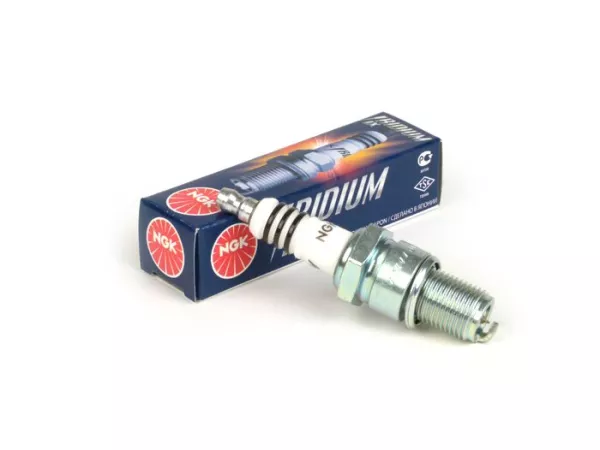
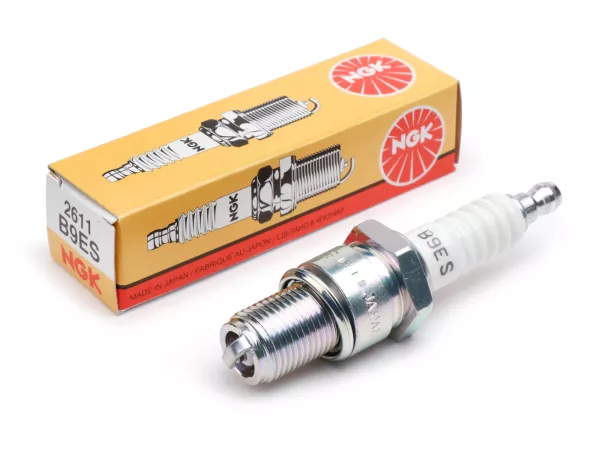
Jetting: Always use the exhaust and carburetor as a guide. Check spark plug pattern.
Carburetor: SI20 is drivable, with SI20/20 or SI24 the tuning is usually easier and more stable.
Ignition: Contact ignition only works in top condition. Electronic ignition is often the more relaxed solution in everyday use.
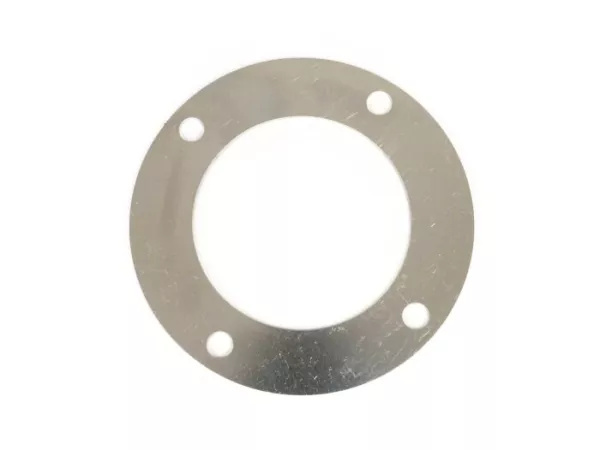
Squeezing edge: realistically 0.8-1.2 mm (57 mm stroke), with 60 mm stroke rather 1.0-1.2 mm.
Gear ratio: More torque often allows a longer gear ratio to utilize the belt.

FAQ - briefly explained

The most reliable way is to count the overcurrent channels in the motor housing (2 or 3). The thresholds also help: GTR125 (VNL2T) up to 138956, Sprint150 (VLB1T) up to 105199, Super150 (VBC1T) up to 328128.
In many cases, no. For a clean result, jetting, ignition, squeeze edge and a suitable exhaust are decisive. If you want more power, you can adjust the intake and transfer ports on the housing.
For touring, a cleanly tuned SI20/20 or SI24 in combination with a box system is a very suitable option for everyday use. The decisive factor is the tuning to your setup, not the largest number.
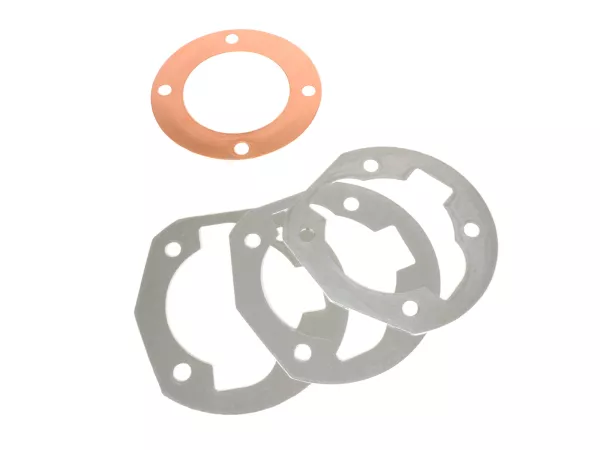
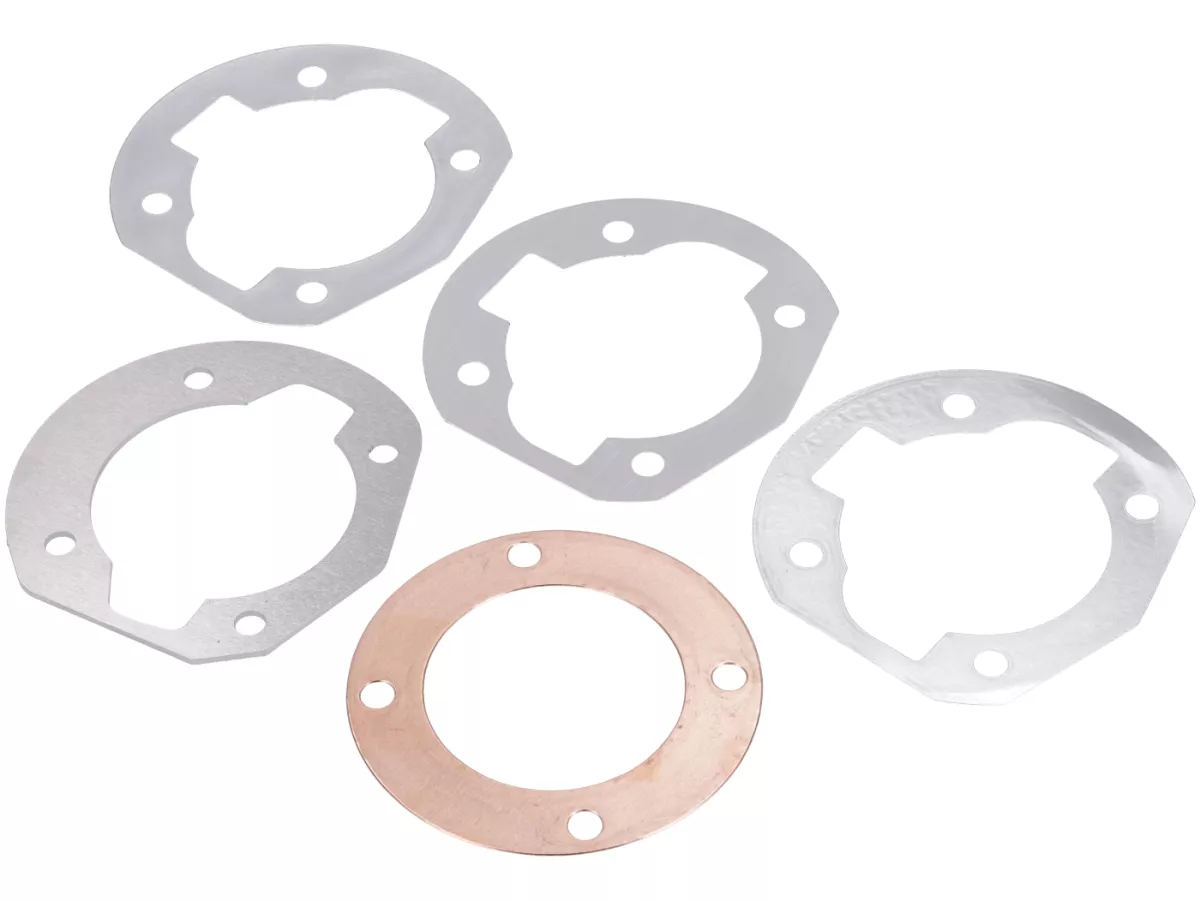
Yes. With a 60 mm stroke, the timing increases and the trailing edge must be readjusted. Depending on the setup, spacers and suitable seals are used. Clean tuning and controlled temperature are important.
The "Oil-Dot" coating is an additional reserve, but does not replace a clean running-in phase. During the running-in period, the rings, raceway and bearings settle and the adjustment is finally checked.
Compatibility at a glance

General: Suitable for Vespa 125 and 150 cm³ with 2 overcurrent channels (2-channel). GTR125, Sprint150 and Super150 have been converted to 3-channel. In these cases, the 2-channel cylinder applies up to the specified chassis number threshold.

125 cm³ (2-channel)

Vespa 125 (T2/125) (D) - VNB1-6 - 1959-1965
Vespa 125 S - VNS1-6 - 1959-1965
Vespa 125 Super - VNC1T - 1965-1969
Vespa 125 GT and 125 Sprint - VNL1-2 - 1961-1973
Vespa 125 GTR - VNL2T - 1968-1978: 2-channel up to 138956

150 cm³ (2-channel)

Vespa 150 - VBA1T - 1958-1960
Vespa 150 - VBB1-2 - 1960-1967
Vespa 150 (T4/150) (D) - VGLA-B - 1959-1965
Vespa 150 GL - VLA1T - 1962-1964
Vespa 150 Sprint - VLB1T - 1965-1974: 2-channel up to 105199
Vespa 150 Super - VBC1T - 1965-1979: 2-channel up to 328128

Notes on transitions

If the chassis number is above the threshold, a 3-channel motor housing is often already installed.
Safest test: Count the overcurrent channels in the motor housing (2 or 3).
For 3-channel motor housings, please use the 3-channel version of the cylinder.
Tip: Deviations are possible in transition years. If you are unsure: Count the channels in the housing or compare the chassis number with the threshold.

Conclusion

The BGM PRO 177 is the upgrade suitable for everyday use for early 2-channel large-frame engines: noticeably more torque, stable temperature balance and a clean basis for touring. With the right tuning, the setup runs smoothly, is suitable for long distances and remains open for the next step.
OEM numbers (for comparison purposes only)
Piaggio:
151918, 92125, 93899
Matching
Spare parts
Matching
Accessories
Matching
Customers also bought